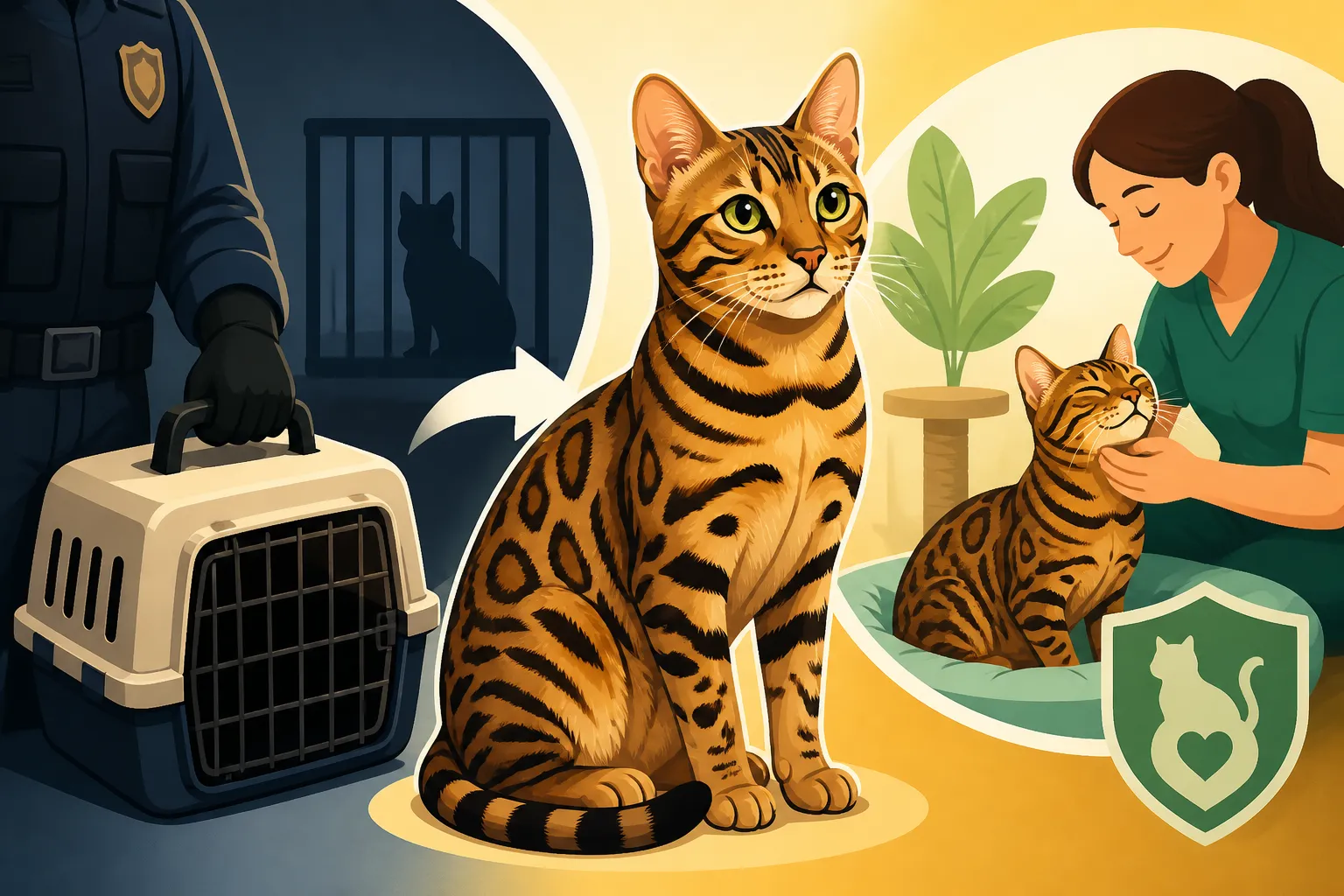
What Happens to a Confiscated Bengal Cat
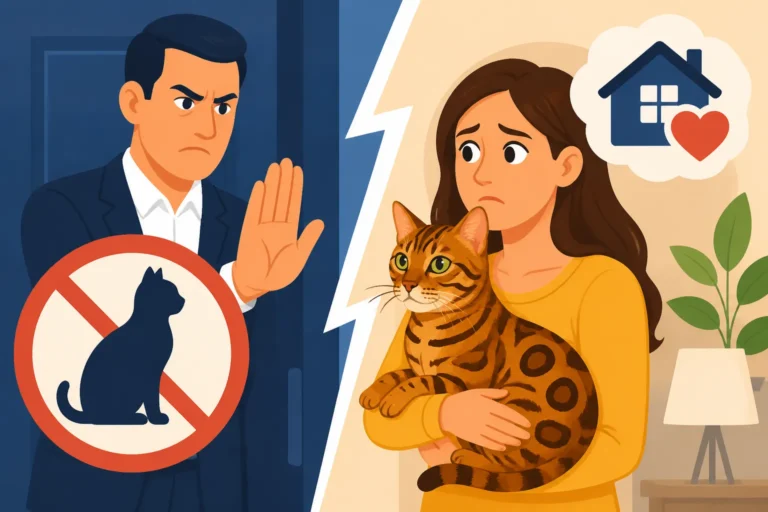
It's a nightmare scenario no Bengal cat owner ever wants to imagine: your beloved, wild-looking companion suddenly being taken from your home. The thought of your unique cat, full of energy and personality, being confiscated is terrifying, and often stems from complex and misunderstood local laws. This guide will walk you through the difficult realities of Bengal cat confiscation, why it happens, what the process involves, and what fate might await a confiscated cat, so you can be prepared and, hopefully, avoid such a situation entirely.
Understanding the Legal Landscape: Why a Bengal Cat Might Be Confiscated
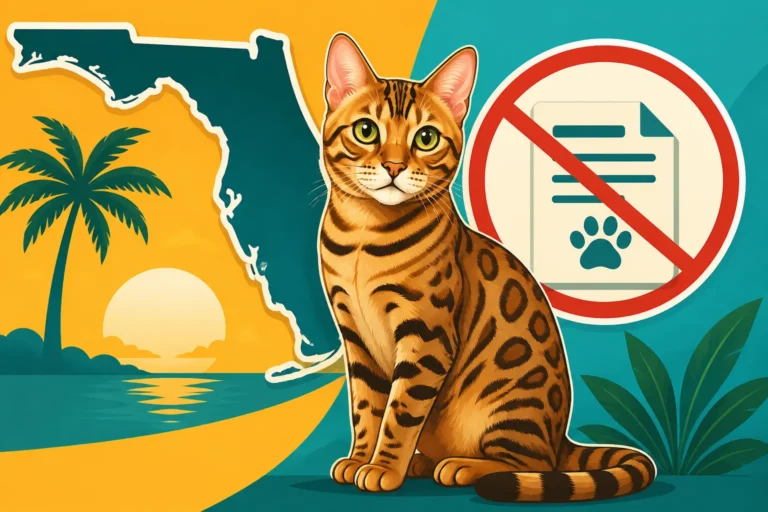
The primary reason a Bengal cat might be confiscated usually boils down to local laws and ordinances that restrict or outright ban certain generations or even all Bengal cats. It’s a frustrating reality for many owners, as these laws can be complex, vary dramatically from one county or city to the next, and are often based on outdated or misinformed perceptions of the breed. You might think you've done all your homework, only to find a obscure local rule you never knew about.
Generation Restrictions and Hybrid Cat Laws
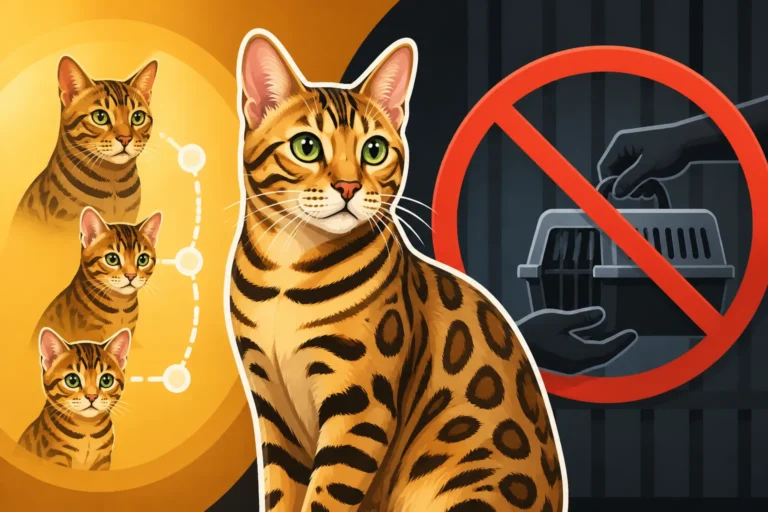
The key factor in whether a Bengal cat is legal often hinges on its "filial generation," commonly referred to as the F-number. An F1 Bengal cat is a first-generation cross directly from an Asian Leopard Cat (ALC) and a domestic cat. An F2 has an F1 parent, an F3 has an F2 parent, and so on. Many jurisdictions draw the line at F4, considering F1 through F3 (and sometimes F4) as "wild" or "hybrid" animals that fall under exotic pet regulations, while F4 and later generations (known as SBT, or Stud Book Traditional) are typically considered domestic. However, this isn't universal. Some places may ban F4s too, or have a blanket ban on all Bengal cats regardless of generation. It's a minefield of regulations, and ignorance of the law is never an excuse in the eyes of authorities. You can learn more about Why the Generation Number Decides Whether You Can Own a Bengal Cat.
The rationale behind these restrictions often stems from concerns about the wild ancestry of early generation Bengal cats. Authorities might worry about their potential to revert to wild behaviors, pose a threat to public safety, or impact local wildlife if they escape. While an SBT Bengal cat, several generations removed from its wild ancestor, behaves much like any other domestic cat, the legal distinctions can be slow to catch up with reality. This is why it's crucial to understand Where a Bengal Cat Is Illegal in the United States and specifically How to Check Your State's Bengal Cat Law, right down to your city's ordinances.
Lack of Permits or Proper Documentation
Even if your Bengal cat's generation is generally permitted in your area, you might still face confiscation if you haven't obtained the necessary permits or documentation. Some states, counties, or cities require special permits for owning certain hybrid cat breeds, especially for early generations. These permits often come with specific requirements, such as secure enclosures, proof of vaccinations, or even a home inspection. Failing to have these documents readily available or not having applied for them at all can quickly lead to legal trouble. It's not enough to simply have the cat; you must prove you can have the cat.
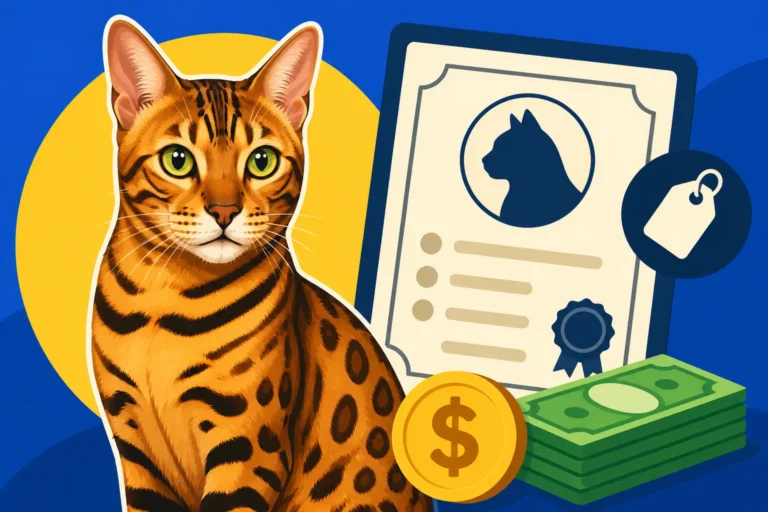
Proving your Bengal cat's generation can also be a challenge, especially if you didn't get them from a reputable breeder who provided full TICA (The International Cat Association) registration papers. Without clear pedigree documentation, authorities might assume your cat is an earlier generation than it actually is, putting you at risk. This is why understanding How to Prove Your Bengal Cat's Generation is so vital from the moment you bring your kitten home. You might need to know What Permit an Early Generation Bengal Cat Needs and how to navigate that application process to keep your pet safe and sound.
Other Triggers for Confiscation
Beyond generation restrictions and permits, other issues can lead to confiscation. Neglect or cruelty, of course, is a universal reason for animal seizure, but for a Bengal cat, even well-meaning owners can unknowingly trigger concerns. For example, if your cat is an escape artist and frequently found roaming, local animal control might investigate, especially if neighbors are unaware of Bengal cat characteristics and mistake your pet for a wild animal or a dangerous hybrid. This is a common worry, particularly for those living in areas with stricter laws.
Similarly, if your Bengal cat is perceived as aggressive or has a bite history, even within your own home or property, authorities might get involved. While Bengal cats are known for their playful and energetic nature, their strength and intense play can sometimes be misinterpreted, leading to reports that escalate to official action. It's a harsh truth that owning a breed often misunderstood can place an extra burden on you to ensure impeccable behavior and compliance with all rules. You also need to be aware of Which City Ordinances Catch a Bengal Cat Owner Out – sometimes, it's not the breed itself, but other common nuisance laws that cause problems.
The Upsetting Reality: What Confiscation Looks Like
When a Bengal cat is confiscated, it's rarely a calm, predictable event. It's often highly stressful for both the owner and the animal, involving official visits, legal notices, and the traumatic removal of a beloved pet from its familiar environment. The procedures can vary based on local laws and the specifics of the situation, but the emotional toll is consistently high.
The Initial Encounter and Investigation
Confiscation usually begins with an investigation, often triggered by a complaint from a neighbor, a report from an animal welfare officer who spotted something amiss, or even during a routine check. An animal control officer or law enforcement official will typically visit your home to assess the situation. They will ask questions, request to see your cat and any relevant documentation like registration papers, permits, or veterinary records. It's crucial to remain calm and cooperative during this initial encounter, as resisting or being uncooperative can complicate matters significantly.
You might be issued a warning first, or a notice to appear in court, giving you a chance to rectify the situation, such as applying for a missing permit or providing requested documentation. However, if the situation is deemed severe — for instance, if the cat is an illegal F1 in a banned area, or there are signs of neglect — immediate confiscation can occur without prior notice. This can feel like a violation, and the shock can be immense. For the cat, being suddenly handled by strangers and removed from its home is incredibly frightening and disorienting.
The Confiscation Process
If confiscation proceeds, animal control officers will physically remove your Bengal cat from your property. They will typically use appropriate handling techniques and carriers, but the experience is still traumatic for the animal. Owners are often left feeling helpless and heartbroken, not knowing where their cat is going or what will happen next. You will likely be given a notice outlining the reason for confiscation and information on how to reclaim your pet, which usually involves legal action and fees.
The legal battle to get your cat back can be long, expensive, and emotionally draining. You'll likely need to hire an attorney specializing in animal law, particularly if the laws regarding hybrid cats are complex in your area. This legal process will involve court appearances, presenting evidence of your cat's generation and legality, and demonstrating your capacity for responsible ownership. During this time, your cat will remain in custody, adding to the anxiety.
| Stage of Confiscation | Description | Potential Owner Actions |
|---|---|---|
| Initial Report/Investigation | Animal control or law enforcement visits due to a complaint or observation. | Provide requested documentation calmly, understand the reason for the visit. |
| Notice Issued (Optional) | Owner receives a warning or formal notice to comply or appear in court. | Consult an attorney, gather all relevant documents, prepare for legal proceedings. |
| Immediate Confiscation | Cat is physically removed from the property by authorities. | Obtain official documentation of seizure, contact an attorney immediately. |
| Custody & Legal Proceedings | Cat is held in an animal shelter or designated facility while legal case proceeds. | Work with attorney, prepare defense, attend court hearings, pay legal fees. |
| Outcome: Return, Rehoming, or Euthanasia | Court decides the cat's fate based on legality, ownership, and welfare. | Follow court orders, pay fines/fees for return; accept other outcomes. |
Life After Confiscation: The Fate of a Taken Bengal Cat
Once a Bengal cat is confiscated, its future becomes uncertain. The ultimate fate depends on a myriad of factors, including the specific laws violated, the cat's health and temperament, and the resources and policies of the animal control facility or shelter holding it. It’s a terrifying limbo for both the cat and its desperate owner.
Holding Facilities and Initial Assessment
After confiscation, your Bengal cat will typically be taken to a local animal shelter, humane society, or a specialized animal control facility. These facilities are often designed for domestic animals, and a high-energy, intelligent Bengal cat might struggle in that environment. They will undergo an initial assessment, including a health check and a behavioral evaluation. This is where their unique personality and needs can become a challenge. A stressed Bengal, confined and surrounded by unfamiliar sights, sounds, and smells, might exhibit fear or defensive behaviors that are misinterpreted as aggression.
The quality of care in these facilities can vary greatly. While many strive to provide humane care, they are often underfunded and overwhelmed. A Bengal cat's specific dietary needs, for example – often requiring high-protein or specialized fresh food – might not be easily met. The lack of mental and physical stimulation, so crucial for this active breed, can lead to severe stress, anxiety, and behavioral deterioration, making them even harder to assess and manage.
Legal Outcomes: Return, Rehoming, or Euthanasia
The primary goal of most owners is to reclaim their cat. This is usually only possible if the legal issues leading to confiscation can be resolved. This might involve successfully proving your cat's legal generation, obtaining the required permits, paying fines, or demonstrating that you can provide a safe and legal environment for your cat. The court's decision will be paramount. If you are deemed unable or unwilling to comply with the law, or if the cat is determined to be illegal, it won't be returned to you.
If a Bengal cat cannot be returned to its original owner, the next step is often rehoming. Animal shelters will try to find a suitable new home, sometimes through breed-specific rescues if available. This process can be challenging, particularly for earlier generation Bengal cats or those with behavioral issues stemming from their ordeal. Some facilities might have policies against rehoming "exotic" or "hybrid" cats, or they may struggle to find adopters who understand the unique needs of the breed. In the most tragic and desperate scenarios, especially if a cat is deemed unadoptable due to severe behavioral problems or if legal restrictions prevent rehoming, euthanasia may be considered. This is the outcome every owner fears, and it underscores the critical importance of preventing confiscation in the first place. You can read more about What Most Bengal Cats Die Of and how various health issues or traumatic events can tragically cut short their lives.
Preventing the Unthinkable: Ensuring Your Bengal Cat's Legal Safety
The best defense against confiscation is proactive prevention. As a responsible Bengal cat owner, it falls to you to be meticulously informed and diligent in ensuring your pet's legal status and welfare. Don't wait for a knock on the door; take steps now to protect your unique companion.
Know Your Local Laws Inside and Out
This is the absolute first step. You must research and understand all federal, state, county, and city laws regarding Bengal cats and hybrid animals in your specific location. Don't rely on information from general online forums or what a breeder in another state told you. Go directly to your local animal control, city clerk's office, or look up your municipal codes online. These laws can change, so a quick check every couple of years isn't a bad idea, especially if you move, because What Happens If You Move With an Illegal Bengal Cat can be a huge headache.
Pay close attention to language regarding "wild animals," "exotic pets," or "hybrid cats," and specifically look for mentions of "Bengal cat" or specific filial generations (F1, F2, F3, etc.). If you have an early generation Bengal cat, this research is even more critical, as restrictions are almost guaranteed. An SBT Bengal cat might be Whether an SBT Bengal Cat Is Legal Everywhere, but always verify your specific address.
Secure Proper Documentation and Permits
Once you understand the laws, ensure you have all the necessary paperwork. This includes your Bengal cat's TICA registration and pedigree, clearly showing its generation. If your cat is an F4 or later (SBT), these documents are usually sufficient to prove its domestic status. For earlier generations, you will likely need to apply for special permits. Be diligent in completing all applications, paying any fees, and adhering to all requirements, such as secure outdoor enclosures or regular inspections.
Keep all these vital documents organized and easily accessible. Consider having digital copies, as well as physical ones, in case of emergency. This paperwork is your first line of defense if your cat's legality is ever questioned. It’s a good practice, just like keeping your pet's vaccination records up to date and considering pet insurance through a provider like Healthy Paws for those unexpected vet visits.
Responsible Ownership Beyond the Basics
Being a responsible Bengal cat owner goes beyond just legalities. It means providing an environment where your cat thrives, minimizing any potential issues that could draw unwanted attention.
- Secure Environment: Bengal cats are notorious escape artists and can climb, jump, and open doors with surprising skill. A secure home, potentially with a supervised Why a Catio Is the Answer to a Bengal Cat, prevents escapes that could lead to your cat being mistaken for a wild animal or causing concern in your neighborhood.
- Behavioral Management: Work on training and socialization from a young age. While Bengal cats are active and playful, addressing any overly rough play or vocalizations can prevent neighbor complaints. Ensure they have plenty of enrichment, like challenging puzzle feeders or a cat wheel, to burn off energy. Products from Chewy can be a great resource for high-quality, durable toys and enrichment tools that stand up to their vigorous play.
- Visibility: While you don't need to parade your cat, it's wise to ensure close neighbors are aware you own a Bengal cat, and understand that it is a domestic breed, legally owned. This transparency can prevent misidentification and unnecessary reports to animal control.
- Veterinary Care: Regular vet check-ups aren't just for health; they also serve as proof of responsible ownership. A healthy, well-cared-for cat reflects positively on you as an owner. Discuss specific Bengal cat health concerns with your vet, such as Chronic Diarrhea Is the Bengal Cat Complaint Nobody Warns About or heart issues like HCM, which can be covered by pet insurance. Even if your cat is legally sound, ensuring their health is paramount. Regular vet check-ups, often made more manageable with pet insurance like that offered by Healthy Paws, can show due diligence in ownership.
Seeking Legal Counsel Early
If you have any doubts about your Bengal cat's legal status, or if you receive a warning or notice from authorities, seek legal advice immediately. An attorney specializing in animal law can help you navigate complex regulations, represent you in court, and significantly increase your chances of a positive outcome. Don't try to handle these serious matters alone; the stakes are too high. They can also advise on whether Whether a DNA Test Confirms a Bengal Cat would be helpful in your specific case to prove generation.
Ultimately, the goal is to create a home where your Bengal cat is not only loved and well-cared for but also legally secure. The peace of mind that comes from knowing you've done everything in your power to protect your special companion is truly invaluable.
Disclaimer
This article is for general informational purposes only and does not constitute professional advice. Laws, prices and regulations vary by location and change over time. Consult a qualified professional for guidance on your specific situation.