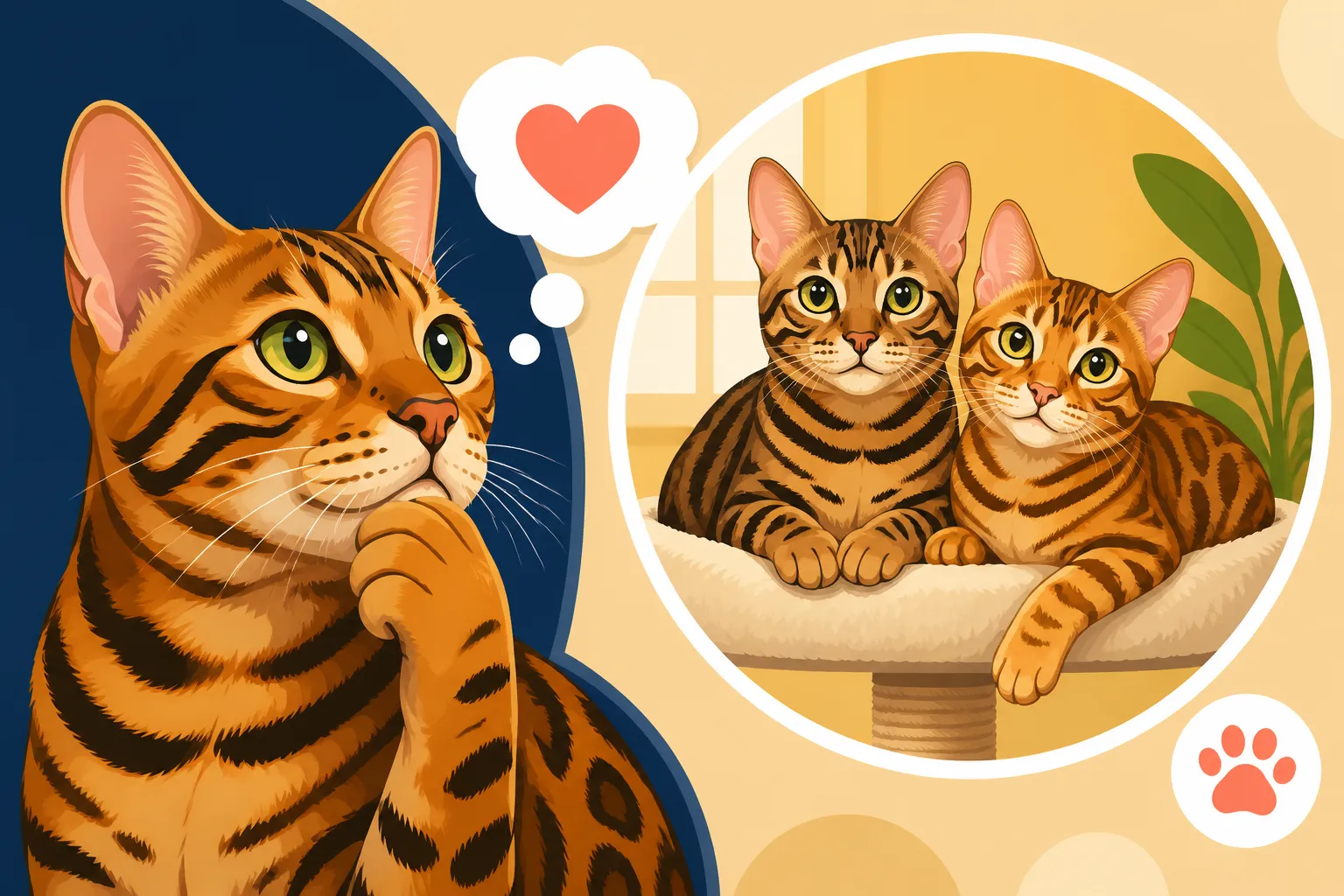
When a Bengal Cat Needs a Second Cat
Many Bengal cat owners find themselves scratching their heads, wondering why their seemingly well-cared-for feline companion is still exhibiting restless or destructive behaviors. The truth is, a Bengal cat's unique blend of high energy, intelligence, and deep social needs means they can often feel understimulated or even lonely, even with a devoted human family. This comprehensive guide will explore the specific reasons why a Bengal might benefit from a companion, how to recognize the signs they need one, and offer a detailed roadmap for successfully introducing a second cat into your vibrant Bengal household.
Why a Bengal Cat's Needs Are Unique
Bengal cats are not your average lap cat. They carry a whisper of their wild Asian Leopard Cat ancestors, which translates into a truly distinctive personality and a demanding set of needs that often surprise new owners. Understanding these inherent traits is the first step in figuring out if a second cat could genuinely enhance your Bengal's life.
Unmatched Energy and Drive
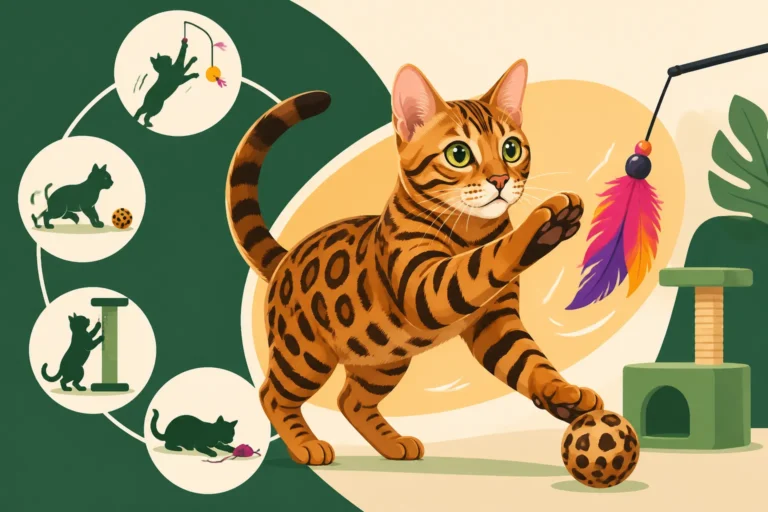
If you've ever owned a Bengal, you know the boundless energy we're talking about. These cats are perpetual motion machines, often running, jumping, and exploring for hours on end. It's not uncommon for them to seem like they never tire, even after a vigorous play session. This isn't just a quirk; it's a fundamental aspect of The Bengal Cat Is the Most Active Cat You Can Own. Their bodies are built for agility and endurance, and they need to expend that energy daily.
A single Bengal cat, even with the most dedicated owner, might struggle to burn off all that innate drive. You can throw toys, use wand teasers, and engage in interactive play, but there's a limit to how much a human can keep up. If your Bengal doesn't have an outlet for this energy, it doesn't just disappear; it often manifests as frustration or boredom. This pent-up energy can lead to a cat who seems constantly "on edge" or relentlessly seeks attention in less-than-ideal ways.
Consider the dynamic two high-energy cats can create. They can chase, wrestle, and play-hunt with each other in a way a human simply cannot replicate. This physical engagement is crucial for their well-being and can help them feel truly satisfied at the end of the day, leading to calmer, more content periods of rest. It's about meeting their physical needs through natural, species-appropriate interaction.
Keen Intelligence and Curiosity
Beyond their physical prowess, Bengal cats are incredibly intelligent and endlessly curious. They're problem-solvers, explorers, and quick learners. Give them a puzzle toy, and they'll master it in minutes; try to keep them out of a cabinet, and they'll devise a new strategy to open it. This sharp mind requires constant stimulation, not just physical activity. A bored Bengal is a destructive Bengal, and a lot of that destruction stems from an intelligent mind with nothing to do.
This intelligence means they thrive on novelty and challenge. A solo Bengal might quickly exhaust the entertainment value of static toys or even repetitive human-led play. They need their environment to be dynamic and engaging. While you can certainly provide puzzle feeders and rotate toys, another intelligent creature provides an unparalleled source of ever-changing interaction and mental sparring.
A second cat, especially one with a similar zest for life, can provide endless opportunities for mental engagement. They can strategize together during a game of chase, learn from each other's explorations, or simply observe and react to each other's movements. This constant mental back-and-forth keeps their sharp minds occupied and can significantly reduce the likelihood of them inventing "games" that involve tearing up your curtains or dismantling your decor.
The Demand for Interaction and Attention
Bengal cats often form incredibly strong bonds with their human families. They're not aloof; they're social, often wanting to be involved in whatever you're doing. This desire for interaction extends beyond simple petting; they want to play, "talk," and just be with you. If you're out of the house for long stretches, or even if you're home but busy, a solo Bengal can truly feel the absence of constant engagement.
Many owners mistakenly believe that because they provide food, shelter, and affection when they're present, their Bengal should be content. However, for a breed with such a high need for social interaction, sporadic attention simply isn't enough. They can become demanding, even clingy, seeking out any form of interaction they can get. This isn't naughtiness; it's a plea for connection.
A companion cat can fill this social void beautifully. While they won't replace your bond with your Bengal, they can provide consistent, immediate companionship throughout the day, especially when you're not available. This isn't just about preventing loneliness; it's about providing a constant peer who understands their unique feline language and play style. This can lead to a more balanced and less anxious Bengal, knowing they always have a friend close by.
Recognizing Signs of Loneliness or Boredom
It's easy to dismiss certain behaviors as "just a Bengal being a Bengal," but often, these quirks are actually cries for help. Your Bengal cat might be trying to tell you that they're understimulated, lonely, or bored, and that a companion could make all the difference. Learning to interpret these signals is crucial for their well-being.
Destructive and Attention-Seeking Behaviors
One of the most common indicators that your Bengal is not thriving as a solo cat is a sudden increase in destructive behavior. This isn't just a casual scratch on the sofa; we're talking about shredded toilet paper, claw marks all over furniture, knocked-over plants, or even tearing at carpets. It's a clear sign of What a Bored Bengal Cat Destroys. They aren't doing it to be malicious; they're doing it because they have an abundance of energy and intellect with no appropriate outlet.
Beyond physical destruction, many bored Bengals become masters of attention-seeking. This might involve constantly batting at your face while you sleep, walking across your keyboard, or knocking items off shelves just to get a reaction. While some Bengals are naturally mischievous, a persistent, escalating pattern of these behaviors, especially when coupled with periods of being left alone, suggests underlying boredom or a need for more engagement.
These behaviors are often a direct result of their powerful hunting instincts not being satisfied. Without a "prey" (be it a toy or another cat) to chase and stalk, they might turn their attention to household items. Providing an outlet, whether through intensive play with you or through interaction with a compatible feline friend, can significantly reduce these problematic habits. Consider the sheer joy of watching two Bengals chase each other through a cat tree instead of watching your solo Bengal tear into your favorite armchair.
Excessive Vocalization and Restlessness
Bengal cats are known for being vocal, but there's a difference between their characteristic chirps and demands, and excessive, almost desperate vocalization. If your Bengal is constantly howling, yowling, or meowing loudly, especially when you're busy or away, it could be a sign of loneliness or anxiety. This isn't just their "Bengal voice"; it's a sustained complaint that something isn't right in their world. You might hear their distinctive voice, sometimes described as a 'yowl', becoming more prevalent and insistent.
Along with increased vocalization, you might notice your Bengal seems perpetually restless. They pace, can't settle down, or follow you from room to room with an almost obsessive need for your presence. Even when you try to engage them, their attention span might be short, quickly moving from one toy to the next without truly settling into play. This restlessness indicates an unmet need for stimulation and companionship. How Long a Bengal Cat Copes Alone often highlights this type of behavior.
This combination of excessive noise and inability to relax points to a deeper issue than just being a "chatty" cat. They're communicating their discontent and their need for a more engaging environment. A companion cat can often alleviate this by providing a constant presence and an outlet for their social energy, transforming restless pacing into engaged play.
Changes in Routine and Uncharacteristic Habits
Sometimes, the signs of loneliness or boredom are more subtle, manifesting as changes in your Bengal's established routines or the development of uncharacteristic habits. This could include changes in eating habits, such as eating too quickly out of anxiety, or conversely, a decreased appetite due to stress. You might also notice excessive grooming, like licking their fur bald in certain spots, which can be a self-soothing behavior for anxious cats.
Another sign can be a sudden aversion to the litter box or an increase in marking behavior, even if they've been perfectly litter-trained for years. While medical issues should always be ruled out first by a vet, these behaviors can often stem from stress, boredom, or a feeling of insecurity. A Bengal who feels constantly understimulated might start to act out in ways that seem confusing or frustrating to their owner.
If your Bengal is usually playful and suddenly seems withdrawn, or if they've developed a new habit that wasn't there before, it's worth investigating. These are often indicators that their needs aren't being fully met. Understanding Signs a Bengal Cat Is Bored can help you differentiate between normal Bengal antics and true distress signals, guiding you towards considering solutions like a feline companion.
Deciding If a Second Cat is the Right Solution
Bringing a second cat into your home is a significant decision, and it’s not one to be taken lightly, even with a high-energy Bengal. While a companion can be a fantastic solution for a bored or lonely Bengal, it also comes with its own set of considerations for your household and lifestyle.
Assessing Your Household's Capacity
Before you even start thinking about a new cat, you need to honestly evaluate your current living situation. Do you have enough physical space for two active cats? This isn't just floor space; Bengals crave vertical space. Think about cat trees, wall shelves, and perches where they can climb, explore, and observe their territory. How Much Vertical Space a Bengal Cat Needs is often more than what a typical housecat requires. Without adequate vertical space, two Bengals might feel cramped or compete for prime spots, leading to tension.
Beyond physical space, consider your existing resources. Will you have enough litter boxes? The general rule is one per cat, plus one extra, scattered in different, easily accessible locations. Are you prepared to have multiple food and water stations to prevent resource guarding? These small details can make a huge difference in the harmony of a multi-cat household. Failing to provide enough resources is a common pitfall that can lead to conflicts, even between otherwise compatible cats.
Finally, think about your own time and emotional capacity. While a second cat might reduce your Bengal's direct demands on your time for play, you'll still need to dedicate time to the new cat, manage introductions, and potentially mediate disputes. Adding another pet means doubling the responsibility, the vet visits, and the daily care. It’s an investment of time, patience, and effort, especially during the initial adjustment period.
Understanding the Commitment Involved
Adding a second Bengal, or any cat, isn't just a one-time decision; it's a long-term commitment that impacts your finances and daily routine for potentially another decade or more. The cost of owning two cats far exceeds that of one. You'll have double the food expenses, double the litter, and double the veterinary bills, including routine check-ups, vaccinations, and potential emergency care. This isn't to discourage you, but to ensure you go in with your eyes wide open.
Consider the ongoing enrichment needs. Even with a companion, both cats will still need individual attention, playtime with you, and a variety of toys and mental challenges. You might need to invest in more durable toys, multiple cat trees, and perhaps even a second cat wheel if your new companion is also very active. While What a Tall Cat Tree for a Bengal Cat Costs can be significant, these are often necessary expenses to keep two energetic Bengals happy and stimulated.
It's also important to remember that introducing a second cat isn't a guaranteed fix for all behavioral issues. While it can address loneliness and boredom, underlying anxieties, health problems, or deeply ingrained destructive habits might require additional intervention from a vet or a certified cat behaviorist. A companion is a wonderful addition, but it's part of a larger picture of holistic care.
The Potential Benefits for Your Bengal
Despite the challenges, the benefits of a companion for a deserving Bengal cat can be truly transformative. For a highly active and intelligent breed, having a peer to play with provides unparalleled physical and mental stimulation. They can engage in wrestling matches, chase games, and intricate play scenarios that no human can fully replicate, burning off that endless energy in a natural, enriching way. This can lead to a calmer, more satisfied Bengal who is less prone to destructive behaviors borne of frustration.
Beyond play, a companion offers constant social interaction, significantly reducing feelings of loneliness or boredom when you're away or busy. This is especially true for Bengals, who often crave connection. Having another feline presence can help regulate their emotional state, provide comfort, and give them a sense of security. They'll have a buddy to nap with, groom, and simply exist alongside, fostering a deeper sense of contentment.
Many owners report that introducing a second cat brings out the best in their Bengal. They become more confident, less demanding of human attention, and generally more well-adjusted. The sight of two Bengals interacting playfully, grooming each other, or simply curled up together is a heartwarming testament to the power of feline companionship. Ultimately, it can lead to a happier, healthier Bengal cat, living a more fulfilling life.
Selecting the Ideal Companion for Your Bengal
Choosing the right companion for your Bengal cat is perhaps the most critical step in ensuring a harmonious multi-cat household. It's not about picking just any cat; it's about finding a personality that complements your Bengal's unique temperament and energy levels.
Matching Energy and Temperament
The golden rule when choosing a companion for a Bengal is to find a cat with a similar energy level. Bringing a mellow, shy cat into a home with a rambunctious Bengal is often a recipe for disaster. The Bengal will likely overwhelm the calmer cat, leading to stress for both. Ideally, you want another active, playful, and confident cat who can hold their own and truly enjoy the high-octane play style of a Bengal. This might be What a Bengal Cat's Temperament Is Really Like.
Look for a cat that is described as outgoing, curious, and resilient. A cat that enjoys rough-and-tumble play, chasing, and exploring will be a much better fit than one who prefers quiet naps and solitude. Observe their interactions if possible; do they engage with toys readily? Do they show interest in other cats (if you're adopting from a shelter or breeder)? A good match will mean they can entertain each other, taking some of the pressure off you to be the sole source of entertainment.
Consider the potential for a playful sparring partner rather than a rival. The goal is a friend, not a victim. If your Bengal is particularly boisterous, a cat that is too timid might end up hiding all the time, which doesn't benefit anyone. A confident cat will be less intimidated and more likely to reciprocate play, forming a genuine bond.
Considering Age, Sex, and Breed
When it comes to age, often a kitten or a young adult cat is a good match for an adult Bengal. A kitten has boundless energy and is often more adaptable to a new environment and existing pets. An adult Bengal might even enjoy the role of a mentor to a younger cat. However, introducing an older cat to an established Bengal might be more challenging if the older cat isn't accustomed to high-energy play.
Regarding sex, some experts suggest that male-female pairings can be very successful, as males tend to be more playful and females can be more nurturing. However, two compatible males or two compatible females can also live together happily. The individual personality of each cat truly matters more than their sex. What's crucial is that both cats are spayed or neutered to prevent hormonal behaviors like spraying or territorial aggression.
And then there's the breed question. Another Bengal cat is often an excellent choice because they share the same inherent energy, intelligence, and play style. They "speak the same language." However, other active and intelligent breeds, or even confident domestic shorthairs, can also be great companions. Breeds like Abyssinians, Ocicats, or even certain Siamese crosses might have the energy to keep up. Just make sure to research the specific breed's temperament to ensure it aligns with your Bengal's needs. Ultimately, it’s about finding a cat that genuinely enjoys active, interactive play.
Where to Find Your Bengal's New Friend
Once you've decided on the type of companion that might suit your Bengal, the next step is finding them. Reputable Bengal breeders are an obvious place to start, especially if you're looking for another Bengal. They can offer insights into the kitten's temperament and lineage, ensuring a good match. Many breeders also have retired breeding cats who would thrive in a pet home and might be an excellent, more mature companion for your existing Bengal.
Animal shelters and rescue organizations are also fantastic resources. Don't discount them just because they might not have a purebred Bengal. Many incredible cats with wonderful personalities are waiting for homes. Explain your living situation and your Bengal's temperament to the shelter staff or foster parents. They know their cats best and can often help you identify an active, confident cat who would likely get along with a high-energy feline.
When looking for a companion, whether from a breeder or rescue, inquire about the potential cat's history and current behavior. Does it get along with other cats? Does it enjoy active play? Ask for videos or, even better, arrange a meet-and-greet if possible (though direct cat-to-cat meetings are often best done in a neutral space or after careful introduction steps). The more information you have, the better equipped you'll be to make an informed decision and select a companion that truly complements your Bengal's unique personality. Whether a Bengal Cat Accepts a Second Cat often depends on these initial choices.
A Smooth Introduction: Steps for Success
Introducing a new cat to your Bengal can be a delicate dance. Rush it, and you risk creating lifelong animosity; take it slow and steady, and you lay the groundwork for a beautiful friendship. Patience is key, as is understanding feline behavior. How to Introduce a Bengal Cat to a Resident Cat is a crucial skill for any multi-cat household.
Setting Up Separate Sanctuaries
Before the new cat even arrives, prepare a dedicated "sanctuary room" for them. This should be a quiet, secure space where the new cat can feel safe and decompress without immediate exposure to your Bengal. The room needs everything: food, water, a litter box, a comfortable bed, and toys. Ensure there's a good hiding spot, like a carrier with a blanket inside, so they can feel secure.
When the new cat arrives, immediately take them to this sanctuary room. Keep your Bengal completely separate at this stage. This allows the new cat to get used to the sounds and smells of your home from a safe distance, and it prevents your Bengal from feeling threatened or territorial. Your Bengal will know there's another cat in the house by scent, but the physical separation is paramount.
This initial separation period is vital for both cats. It gives the new cat time to adjust to their new surroundings without the added stress of a dominant Bengal, and it allows your Bengal to get used to the idea of another cat. Think of it as a decompression chamber for the new arrival and a scent-familiarization period for your resident Bengal. Provide plenty of vertical space and hiding spots within this room, even if it's just a temporary space. You can find excellent cat trees and cozy beds on Amazon to make this space truly inviting.
Gradual Scent and Sight Introductions
Once the new cat seems comfortable in their sanctuary, begin scent swapping. Gently rub a cloth on each cat's cheeks and body, then swap the cloths. Place the new cat's scented cloth near your Bengal's food bowl or sleeping area, and vice versa. This allows them to become familiar with each other's scent in a non-threatening way. You can also swap bedding or even briefly swap rooms (under supervision, so neither cat feels trapped) to further acclimate them to each other's presence.
After successful scent swapping, move to controlled visual introductions. This usually involves feeding them on opposite sides of a closed door, then gradually moving the food bowls closer to the door. Once they are eating calmly, introduce a baby gate or crack the door open slightly, allowing them to see each other from a distance while still maintaining a barrier. Keep these initial sight sessions short and positive, ending before any signs of tension arise.
Pheromone diffusers, like those found on Amazon, can be incredibly helpful during this stage. They release calming feline pheromones that can reduce stress and promote a sense of security, making both cats more receptive to the introduction process. Remember to always supervise direct visual interactions and provide an escape route or barrier if things get too intense. The goal is to build positive associations, slowly and patiently.
Managing Initial Interactions and Conflict
Once scent and sight introductions are going well, you can move to supervised, brief physical introductions. This should always be done in a neutral space, not one cat's established territory. Keep both cats calm and relaxed, perhaps by offering treats or engaging them in parallel play with separate toys. If either cat shows signs of aggression (hissing, growling, flattening ears, puffed tails), immediately separate them and go back a step in the introduction process.
Positive reinforcement is crucial. Reward calm behavior with treats, praise, and gentle petting. Associate the presence of the other cat with good things. Never force interaction, and never punish a cat for showing fear or aggression; this will only make things worse. Instead, remove them from the stressful situation and try again later. It's better to have many short, positive interactions than one long, stressful one.
Even with the best introduction, minor squabbles can happen. Knowing when to intervene and when to let them sort it out is important. Loud, drawn-out fighting, hissing, growling, and physical injury require immediate separation. However, a little chasing or swatting might just be establishing boundaries, especially for high-energy Bengals. Providing plenty of vertical escape routes and How Many Scratching Posts a Bengal Cat Household Needs can diffuse tension by giving both cats their own space and outlets for natural behaviors.
| Introduction Stage | Goal | Actions | Duration | Signs of Readiness |
|---|---|---|---|---|
| 1. Sanctuary & Decompression | New cat feels safe, resident cat senses presence | New cat in dedicated room with all resources; scent swapping with cloths. | 2-7 days (or longer) | New cat eating, using litter, calm. |
| 2. Scent Familiarization | Both cats associate scents positively | Swap bedding, rub cloths on cats, place near food/sleep areas. | Ongoing for 1-2 weeks | No negative reaction to other's scent. |
| 3. Visual Introduction | Calm visual exposure | Feed cats on opposite sides of closed door, then baby gate/cracked door. | 1-2 weeks | Eating calmly, no hissing/growling. |
| 4. Supervised Interaction | Positive shared experiences | Brief, supervised sessions in neutral space with treats/play. | Ongoing | Mild curiosity, no aggression. |
| 5. Gradual Integration | Free cohabitation | Increase duration of supervised time, allow free roaming under watch. | Several weeks/months | Shared spaces, occasional play. |
Life with Multiple Bengal Cats (or their companions)
Once your Bengal and their new companion are cohabiting peacefully, the real fun begins! However, maintaining harmony in a multi-cat household, especially with high-energy breeds, requires ongoing effort and mindful planning.
Ensuring Abundant Resources for All
In a multi-cat home, resource guarding can quickly turn a peaceful environment into a stressful one. The golden rule is always to have enough resources for every cat, plus one extra. This applies to litter boxes (ideally, one per cat plus one, in different locations), food bowls, water bowls, and even sleeping spots. Place these resources in various areas of your home to prevent one cat from monopolizing them.
For food, consider feeding cats in separate areas, especially initially, to ensure both get enough and to prevent competition. Water fountains, which many Bengals adore, should also be plentiful and accessible. Ensure each cat has their own designated safe space, whether it's a cat bed on a high shelf, a cozy cave, or even just a favorite chair that's "theirs." This prevents feelings of insecurity and allows them to retreat when they need alone time.
Remember that Bengals are highly territorial and athletic. Providing multiple scratching posts – of varying materials and heights – is essential. How Many Scratching Posts a Bengal Cat Household Needs is usually more than you think, often 3-5 vertical and horizontal scratchers per cat to satisfy their innate need to mark and stretch. Investing in robust, tall cat trees will give them opportunities for vertical climbing and observation, reducing territorial squabbles. You can find a great selection of these on Amazon.
Continuous Enrichment and Play
Even with a companion, your Bengal and their friend will still need plenty of enrichment and dedicated playtime with you. While they'll play with each other, human-led interactive play strengthens your bond and provides different types of mental and physical stimulation. Continue to rotate toys regularly to keep things fresh and exciting, and invest in a variety of puzzle feeders to engage their sharp minds.
Consider dedicated playtime sessions for each cat, even if they often play together. This ensures individual attention and allows for different play styles. One cat might love feather wands, while the other prefers chasing a laser (used sparingly and with a "catch" at the end to prevent frustration). The goal is to provide a rich, stimulating environment where both cats can thrive. How Much Enrichment a Bengal Cat Actually Needs is substantial, and a companion only fulfills part of that.
Regularly assessing the dynamics between your cats is also important. Are they playing fairly? Is one cat constantly harassing the other? Sometimes, even with good intentions, cats can fall into patterns where one becomes overly dominant. Gentle redirection, providing more resources, or separating them for short periods can help rebalance the dynamic. A happy multi-cat household is one where every cat feels secure and stimulated.
When to Seek Professional Help
While many multi-cat households thrive, sometimes, despite your best efforts, issues can arise that you can't resolve on your own. Persistent aggression, fear, or stress in one or both cats, even after a slow introduction, is a sign it might be time to seek professional help. This could manifest as constant fighting, one cat hiding all the time, or inappropriate elimination.
A certified feline behaviorist or your veterinarian can offer invaluable guidance. They can help identify the root cause of the issues, which might be medical, environmental, or behavioral. They can also suggest strategies, modifications to your home, or even medication if necessary, to help both cats feel more secure and comfortable. Sometimes, an outside, unbiased perspective is exactly what's needed to unlock a solution.
Remember, the goal is for both cats to live happy, stress-free lives. If the presence of a second cat is consistently causing one or both felines significant distress, it's essential to address it proactively. While it's rare, in some extreme cases, it might be that your Bengal is truly happiest as a solo cat, or that the specific pairing simply isn't working. Making the best decision for your feline companions' long-term well-being is always the priority.
Disclaimer
This article is for general informational purposes only and does not constitute professional advice. Laws, prices and regulations vary by location and change over time. Consult a qualified professional for guidance on your specific situation.