What a Muscular Bengal Cat Should Weigh
It's incredibly common for Bengal cat parents to gaze at their sleek, athletic companions and wonder, "Are they too thin? Are they just right?" Their wild heritage gives them a naturally lean and muscular physique that can look very different from the average domestic housecat, leading to a lot of confusion about what a healthy weight truly means. This guide will help you understand the unique build of your Bengal, how to assess their ideal weight, and what steps you can take to ensure they're thriving.
Understanding the Bengal Cat's Unique Physique
The Bengal cat's ancestry is a crucial factor in understanding their build. Unlike many domestic breeds that have been selectively bred for generations for specific aesthetic traits, the Bengal carries the recent lineage of the Asian Leopard Cat (ALC). This wild ancestor is a lean, agile hunter, and these characteristics have been strongly retained in the Bengal breed, even many generations removed. This means your Bengal isn't just a spotted housecat; they possess a truly athletic and powerful physique beneath that stunning coat.
Their musculature is dense, long, and well-defined, not bulky or soft. You'll notice they tend to have longer hind legs, which gives them that characteristic "stalking" gait and incredible jumping ability. Their bone structure is also typically lighter than a broad-chested domestic cat, contributing to their overall lithe appearance. It's this combination of fine bone structure, powerful musculature, and active metabolism that often makes them appear "skinny" to an untrained eye, when in reality, they're simply built for speed and agility, not bulk. This is why when you feel along their spine and ribs, you might feel the contours more distinctly than on a fluffy Persian or a heavier-boned Maine Coon.
Many owners who are new to the breed worry their Bengal isn't eating enough or isn't gaining weight appropriately, especially when comparing them to a friend's moggie. However, what looks lean on a Bengal often indicates excellent condition. It's a hallmark of the breed's wild grace and should be celebrated, not worried over. Understanding this fundamental difference is the first step in properly assessing your Bengal's health.
The Asian Leopard Cat Influence on Bengal Build
The Asian Leopard Cat (ALC) is not a large cat in the wild, typically weighing between 4 to 15 pounds, depending on subspecies and gender. They are supremely adapted for hunting small prey, which requires stealth, speed, and climbing prowess. Their bodies are long and slender, with powerful, well-muscled legs designed for bursts of activity and precise movements. They have a relatively small head compared to their body, large eyes for nocturnal hunting, and a medium-length tail that aids in balance.
When you look at a Bengal cat, particularly the earlier generations, you can clearly see these traits carried through. The "Why a Bengal Cat's Coat Came From the Asian Leopard Cat" sheds light on their appearance. Their bodies are built like miniature athletes, with a noticeable tuck-up at the abdomen and prominent musculature. They are not built for a sedentary life; their very physiology encourages activity. This genetic blueprint means that expecting a Bengal to have the robust, slightly rounded physique of many other domestic breeds is fundamentally misunderstanding their heritage. Their energy levels demand a body that can keep up.
This ancestral influence also dictates their high metabolism. They burn calories at a faster rate than many other cats, fueling their constant motion, climbing, and exploring. This metabolic characteristic plays a huge role in maintaining their lean body mass and makes it harder for a healthy, active Bengal to become truly overweight, provided they are fed a suitable diet. It's a delicate balance that breeders strive to maintain, ensuring the domestic qualities are strong while preserving that stunning, wild look and athletic build.
Distinguishing Muscle from Fat
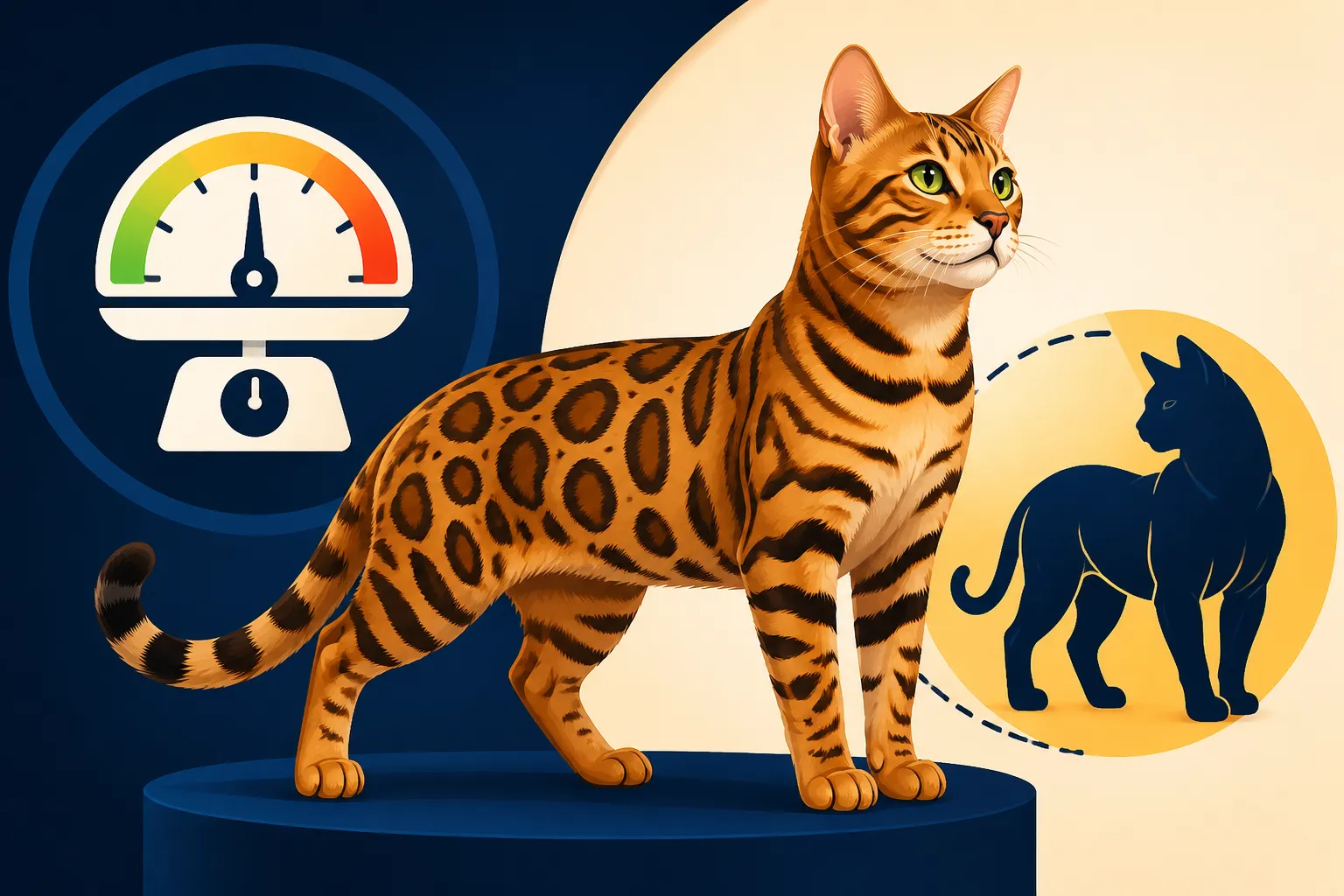
For a Bengal cat, a healthy weight isn't just about the number on the scale; it's about body composition. You want to see well-defined muscle mass without excessive fat covering. When you run your hands along your Bengal's sides, you should be able to feel their ribs without them being sharply prominent. You should also feel the underlying muscle structure along their spine and hindquarters. It should feel firm and toned, not soft or squishy.
Think of an elite human athlete – they might weigh more than someone with the same body fat percentage but less muscle because muscle is denser. The same applies to your Bengal. A truly muscular Bengal might weigh more than a less active, but equally lean, Bengal because of their muscle density. This is why a simple weight number can be misleading. A vet will often use a body condition score (BCS) chart, which focuses on visual and tactile assessment, rather than just raw weight.
When your Bengal stretches or flexes, you should see the ripple of muscles beneath their pelt. They should have a visible waistline when viewed from above, and their abdomen should tuck up neatly when viewed from the side, not hang low. If you can pinch a significant layer of soft fat over their ribs or along their belly, they may be carrying extra weight, even if they don't seem "fat" by typical cat standards. How to Tell Muscle From Fat on a Bengal Cat delves deeper into these nuances, providing valuable insights for concerned owners.
Average Weight Ranges for Bengal Cats
While every Bengal is an individual, there are general weight ranges that can serve as a useful guide. It's important to remember that these are averages, and a healthy Bengal can fall slightly outside these numbers depending on their specific build, activity level, and genetics. What's most crucial is consistent weight and a healthy body condition, rather than hitting an exact number.
Female Bengals tend to be smaller and lighter than males. Just like in many species, there's a natural size dimorphism. An adult male Bengal might appear quite substantially larger than a female, even if both are in peak physical condition. Early generation Bengals (F1, F2, F3) may also tend to be slightly larger and heavier due to their closer proximity to their wild ancestor, the Asian Leopard Cat, though this isn't a hard and fast rule for every individual.
These figures represent a mature, adult Bengal cat, typically between one and seven years of age. Kittens and senior cats will naturally have different weight considerations. A rapidly growing kitten will be putting on weight quickly, while a very old Bengal might naturally lose some muscle mass as they age.
Male Bengal Cat Weight Expectations
Adult male Bengal cats are generally larger and more muscular than their female counterparts. You can expect a healthy, mature male to weigh somewhere between 10 to 15 pounds. Some exceptional individuals, particularly those with a strong, robust build and high muscle mass, might even reach 18 pounds while still being lean and fit. It's less about the exact number and more about their overall body condition, which we'll discuss shortly. How Much a Male Bengal Cat Weighs explores this in more detail.
These boys often possess a noticeably broader chest and head, with a more substantial frame. Their musculature is typically more pronounced, giving them a powerful, athletic appearance. They'll also tend to eat more to fuel their larger body mass and higher metabolic rate. Don't be surprised if your male Bengal always seems to be on the go, burning through calories at an impressive pace. If your male Bengal is under 10 pounds, especially if he appears bony or lethargic, it's worth a vet check. Conversely, if he's pushing above 18 pounds and you can no longer easily feel his ribs or spine, it might be time to discuss diet and exercise with your vet.
It's common for males to maintain a playful, energetic demeanor well into adulthood, which helps them stay in peak physical form. Providing ample opportunities for climbing, running, and interactive play is essential for them to sustain their impressive physique. Without adequate exercise, even a naturally lean male Bengal can start to accumulate unwanted fat, which can lead to health issues down the road.
Female Bengal Cat Weight Expectations
Female Bengal cats, while still athletic and muscular, are typically smaller and more refined than males. A healthy adult female Bengal usually weighs between 7 to 12 pounds. Again, individual variations exist, with some particularly petite females being a bit under 7 pounds, and some larger ones hitting 13 or 14 pounds while still being in excellent shape. The key is their muscle tone and overall body condition, not just the number on the scale. You can gain more insight into this by reading How Much a Female Bengal Cat Weighs.
Their frame is generally lighter, and their features might appear a bit more delicate, though they retain all the characteristic wild beauty and powerful musculature of the breed. They are just as active and agile as males, and their metabolism is equally high, meaning they also burn calories efficiently. Like males, they need plenty of enrichment and opportunities for physical activity to maintain their lean, toned bodies.
If your female Bengal is significantly below 7 pounds and looks underweight, or if she's consistently above 12-13 pounds with noticeable fat deposits, it's a good idea to consult your veterinarian. A vet can help you determine if there's an underlying health issue or if adjustments to her diet and exercise routine are needed. It's a fine line to walk, as underfeeding an active female can lead to muscle loss, while overfeeding can lead to excess fat.
Weight Through the Life Stages
A Bengal cat's weight isn't static; it fluctuates throughout their life. Kittens grow rapidly, gaining weight consistently as they develop. They often go through an awkward "lanky" phase before they start to fill out and develop their adult musculature. Typically, a Bengal will reach their full height and length by about 12-18 months, but they can continue to fill out and add muscle mass until they are around two to three years old. When a Bengal Cat Reaches Full Weight explores this developmental timeline.
During their prime adult years (roughly 1 to 7 years old), their weight should remain relatively stable, assuming a consistent diet and activity level. This is when you'll see their peak athleticism and muscle definition. Regular wellness checks with your vet, including a weight assessment, are vital during this period to catch any subtle changes early.
As a Bengal enters their senior years, typically around 8-10 years old, their metabolism might start to slow down slightly, and their activity levels may decrease. They might also begin to lose some muscle mass, which is a natural part of aging. This means their weight might shift, and it becomes even more crucial to monitor their body condition closely. Why an Old Bengal Cat Loses Muscle First provides helpful information on this topic. Adjusting their diet to support muscle mass and manage any reduced activity can be beneficial. Keeping them active with gentler play and ensuring easy access to resources can help maintain their quality of life.
Assessing Your Bengal Cat's Body Condition
Relying solely on a number on a scale can be misleading for a Bengal cat due to their unique, muscular build. Instead, veterinary professionals and experienced breeders use a Body Condition Score (BCS) system, which involves both visual inspection and tactile examination. This method provides a more accurate picture of your cat's health status, distinguishing between a naturally lean Bengal and one that is genuinely underweight or overweight.
The BCS typically ranges from 1 to 9, with 5 being ideal. A score of 1 indicates emaciation, while 9 indicates severe obesity. For Bengal cats, an ideal score might lean towards a 4 or 5, reflecting their naturally athletic build. What looks like a 5 on a domestic shorthair might look like a 4 or even a lean 3 on a Bengal, but that doesn't mean they're unhealthy. It's about recognizing the breed-specific nuances.
Learning to perform a simple BCS check at home is a powerful tool for monitoring your Bengal's health between vet visits. It empowers you to make informed decisions about their diet and exercise. Regularly running your hands over their ribs, spine, and abdomen, combined with a visual check from above and the side, will give you valuable insights into their condition. Don't be afraid to get hands-on; your Bengal will likely enjoy the extra attention!
The Body Condition Scoring Chart
The Body Condition Scoring (BCS) system is a visual and tactile assessment tool used by veterinarians to evaluate an animal's fat reserves and muscle mass. It's far more effective than just weighing your cat because it accounts for individual variations in frame size and breed characteristics. Here’s a simplified version of a common feline BCS chart:
| Score | Description | Visual Cues | Palpation Cues |
|---|---|---|---|
| 1 | Emaciated | Ribs, spine, pelvic bones visible from a distance; no body fat; severe abdominal tuck. | Ribs, spine, pelvic bones easily felt, no fat covering; bones feel sharp. |
| 2 | Very Thin | Ribs, spine, pelvic bones easily visible; obvious waist and abdominal tuck. | Ribs easily felt with minimal fat; spine prominent. |
| 3 | Thin | Ribs easily felt, slight fat covering; abdominal tuck evident; distinct waist. | Ribs easily felt, minimal fat covering; lumbar vertebrae obvious. |
| 4 | Underweight Ideal (Lean Bengal) | Ribs easily felt with minimal fat covering; distinct waist; abdominal tuck; visible muscle definition. | Ribs easily felt but not sharp; good muscle tone; slight waist. |
| 5 | Ideal (Typical Domestic Cat) | Well-proportioned; ribs felt with slight fat covering; slight waist; abdominal tuck. | Ribs felt with a thin fat layer; good muscle definition; smooth contour. |
| 6 | Overweight | Ribs felt with difficulty due to moderate fat; waist barely discernible; no abdominal tuck. | Ribs felt with moderate fat covering; heavy fat deposits over lumbar area. |
| 7 | Heavy | Ribs felt with significant difficulty; no waist; abdominal tuck absent; fat deposits over lumbar. | Ribs felt only with firm pressure; noticeable fat over lumbar area; abdomen distended. |
| 8 | Obese | Massive fat deposits over chest, spine, and tail base; distended abdomen; no waist or abdominal tuck. | Thick fat layer over ribs; extensive fat deposits; difficult to palpate bones. |
| 9 | Severely Obese | Grossly obese; massive fat deposits everywhere; abdominal distention with no waist or tuck. | Unable to feel ribs or spine; massive fat deposits; lack of definition. |
For your athletic Bengal, aiming for a lean 4 or a solid 5 is usually appropriate. You want to feel those strong muscles and ribs without them feeling sharp or entirely covered. This chart is a general guide, and a veterinarian is the best person to give a precise BCS and interpret it in the context of your cat's breed and individual health.
Hands-On Assessment Techniques
Performing a hands-on assessment of your Bengal's body condition is surprisingly simple and can be done regularly at home. It’s a great way to bond with your cat and stay attuned to their physical well-being. Start by gently running your hands along their sides. You should be able to feel their ribs with a thin layer of muscle and fat over them, much like feeling the back of your hand. If the ribs feel sharp and prominent, they might be too thin. If you have to press hard to feel them, they might be carrying too much weight.
Next, feel along their spine. You should be able to feel the individual vertebrae, but they shouldn't feel like a string of beads protruding through their skin. A well-muscled Bengal will have a smooth, firm feel along their back. Then, look at your Bengal from above. They should have a distinct waistline where their abdomen tucks in behind their ribs. If they look like a continuous cylinder, or if their sides bulge out, they are likely overweight.
Finally, observe their profile from the side. A healthy Bengal should have an abdominal tuck, meaning their belly slopes upwards from their rib cage to their hind legs, rather than hanging down or appearing parallel to the ground. This "tuck-up" is a classic sign of an athletic cat. Regular checks, perhaps once a month, will help you notice subtle changes over time. If you notice significant changes, or have concerns, it's always best to consult your veterinarian. Why a Bengal Cat Looks So Muscular provides further context on the physical ideal you're aiming for.
Factors Influencing a Bengal Cat's Weight
A Bengal cat's weight isn't a static number; it's a dynamic reflection of various factors, including their age, diet, activity level, and genetics. It's a careful balance that often requires proactive management from their human companions. Understanding these influences can help you keep your Bengal in peak physical condition throughout their life.
For instance, a young, growing Bengal kitten will naturally weigh less and be leaner than a mature adult, but they should be gaining weight steadily. A senior Bengal, on the other hand, might lose some muscle mass or have a slower metabolism, necessitating dietary adjustments. The sheer energy output of The Bengal Cat Is the Most Active Cat You Can Own means their caloric needs are significantly higher than many other breeds.
Even within the same litter, individual Bengal cats can vary slightly in size and build due to genetic predispositions. Some might have a slightly larger frame, while others are naturally more petite. What's crucial is that whatever their natural size, they maintain a healthy body condition for their build.
Age and Growth Patterns
From kittenhood to senior status, a Bengal cat's weight changes significantly. Bengal kittens grow very quickly, often gaining weight and length at an impressive rate in their first year. They typically reach their full height and length by about 12 to 18 months, though their musculature and overall body mass can continue to develop and fill out until they are two to three years old. During this growth phase, adequate nutrition is paramount to support their developing bones and muscles. A premium kitten food, high in protein and healthy fats, is usually recommended.
As they transition into adulthood, their growth will slow, and their weight should stabilize. This is the period when their impressive athleticism truly shines, and they need a diet that supports their high energy levels without causing them to become overweight. For senior Bengals, usually starting around 8-10 years of age, changes in metabolism and activity can influence weight. They might become less active, leading to a tendency to gain weight if their diet isn't adjusted. Conversely, some senior cats may start to lose muscle mass, making them appear thinner. Regular vet check-ups are essential to monitor these age-related changes and make appropriate dietary or lifestyle adjustments.
It's a continuous journey of adjustment. You wouldn't feed a toddler the same diet as a teenager, and the same principle applies to your Bengal. Being mindful of these life stages is key to maintaining a healthy weight.
Diet and Nutritional Needs
The diet you provide plays the most direct role in your Bengal's weight and overall health. Given their high activity levels and carnivorous nature, Bengals thrive on a high-protein diet. This helps support their lean muscle mass and provides the sustained energy they need. Many owners opt for high-quality wet foods or even raw diets, as these often contain higher protein and moisture content, which is beneficial for their unique digestive systems. Which Protein Percentage Suits a Bengal Cat offers guidance on optimal protein levels.
Calorie intake must be balanced with their energy expenditure. An active Bengal will burn far more calories than a sedentary housecat, so restricting food too much can lead to an unhealthy weight loss and muscle wasting. On the other hand, overfeeding, especially with low-quality kibble high in fillers, can quickly lead to weight gain, even in such an active breed. It's a delicate balance, and portion control, tailored to your individual cat's needs, is crucial. Fresh, human-grade food or specific high-protein formulas can be excellent choices to meet these unique nutritional demands.
Remember, Bengal cats can have sensitive digestive systems, so sudden changes in diet should be avoided, and always introduce new foods gradually. Consulting with your vet or a feline nutritionist can help you craft the perfect meal plan that supports your Bengal's ideal weight and vibrant health. Why a Bengal Cat's Gut Is So Sensitive provides additional context on their dietary considerations.
Activity Level and Exercise Requirements
It cannot be stressed enough: a Bengal cat is an athlete, and their activity level is a monumental factor in their weight. These cats are not content to lounge all day; they demand engagement and outlets for their boundless energy. An under-exercised Bengal, even on a controlled diet, can become overweight or develop destructive behaviors out of boredom. How Many Calories a Bengal Cat Runs Off in a Day gives you an idea of just how much energy they expend.
Daily interactive play sessions, using wand toys, laser pointers, or even teaching them to fetch, are essential. Think of at least two to three dedicated playtimes a day, each lasting 15-20 minutes, where they can really run, jump, and stalk. Vertical space, like tall cat trees and wall shelves, encourages climbing and provides excellent exercise. Many Bengal owners also invest in a cat wheel, which can be an incredible outlet for their running prowess. You can find robust cat wheels on platforms like Amazon.
Leash training for outdoor walks or the construction of a safe outdoor enclosure (catio) also provides invaluable enrichment and exercise opportunities. A Bengal that gets consistent, vigorous exercise will naturally maintain a leaner, more muscular physique. Without these outlets, not only can their weight suffer, but their mental well-being can decline, leading to stress and behavioral issues. Keeping them active is not just about weight; it's about their entire quality of life.
Common Weight Concerns in Bengal Cats
Despite their naturally lean and active nature, Bengal cats can experience both ends of the weight spectrum: being underweight or overweight. It's easy to assume an active Bengal will always be at a perfect weight, but various factors can disrupt this balance. Recognizing the signs of an unhealthy weight, whether too much or too little, is critical for their long-term health.
Being underweight might stem from an underlying health issue, insufficient food intake for their high metabolism, or parasites. On the other hand, while less common for a truly active Bengal, an overweight condition can arise from overfeeding, lack of adequate exercise, or metabolic changes as they age. Both conditions carry their own set of health risks and require prompt attention.
It's a common frustration for owners to wonder if their Bengal's "thinness" is normal or a sign of trouble. The key is careful observation and understanding the nuances of their unique body type. Your veterinarian is your best partner in navigating these concerns, helping you distinguish between a healthy, muscular physique and a genuine weight problem.
Identifying an Underweight Bengal
An underweight Bengal cat isn't just "lean"; they will typically appear bony, with their ribs, spine, and pelvic bones easily visible and sharply palpable without much effort. Their abdominal tuck will be extremely pronounced, and they may lack the firm, dense muscle tone characteristic of the breed. Beyond visual cues, an underweight Bengal might also exhibit other signs such as lethargy, a dull coat, reduced appetite, or a noticeable decrease in energy levels – something truly uncharacteristic for this typically vibrant breed.
If your Bengal is consistently leaving food in their bowl, showing a lack of interest in their meals, or if you notice their weight dropping despite eating, it's a red flag. Potential causes for being underweight can range from dietary issues (not enough calories for their activity level, or a diet lacking in essential nutrients) to underlying health problems such as parasites, hyperthyroidism, chronic digestive issues (like those covered in Why a Bengal Cat Gets Chronic Diarrhea), or even dental pain that makes eating uncomfortable.
It's crucial to consult your veterinarian if you suspect your Bengal is underweight. They can perform a thorough examination, including blood tests or fecal analyses, to rule out any medical conditions. Once any health issues are addressed, your vet can help you formulate a feeding plan to safely and effectively help your Bengal regain a healthy weight, focusing on nutrient-dense, high-calorie foods.
Addressing an Overweight Bengal
While less common for a truly active Bengal, it is possible for them to become overweight, especially if their diet isn't properly managed or their activity levels drop. An overweight Bengal will have ribs that are difficult to feel, a less defined waistline, and a sagging or absent abdominal tuck. You might also notice fat pads developing over their lower back, tail base, or even a noticeable "primordial pouch" that feels soft and fatty, rather than just loose skin. How Easily a Bengal Cat Becomes Overweight explains that even with their high metabolism, it can happen.
The dangers of an overweight Bengal are similar to those in other cat breeds: increased risk of diabetes, arthritis, heart disease, liver disease, and mobility issues. It can also exacerbate conditions like patellar luxation if your cat is predisposed. An overweight Bengal might also appear less agile, slower to respond to play, or tire more easily than a cat at a healthy weight.
If you suspect your Bengal is overweight, the first step is a veterinary check-up to rule out any medical reasons for weight gain, such as an underactive thyroid (though less common in cats than dogs). Once cleared, a weight loss plan typically involves a combination of dietary adjustments and increased exercise. Your vet can recommend a specific weight-management diet, often one that is lower in calories but still high in protein and fiber to keep your cat feeling full. Increasing play sessions, introducing a cat wheel, or exploring leash walks can significantly boost their calorie burn. Consistent monitoring and patience are key, as slow and steady weight loss is healthiest. How to Slim an Overweight Bengal Cat provides practical advice for managing this.
Maintaining a Healthy Weight for Your Bengal Cat
Keeping your Bengal cat at a healthy, muscular weight is an ongoing commitment that involves careful attention to their diet, consistent opportunities for exercise, and regular veterinary care. It’s about creating a lifestyle that aligns with their unique needs as an active, intelligent, and naturally lean breed. This isn't a one-size-fits-all approach; what works for one Bengal might need tweaking for another.
The goal is to foster their natural athleticism and provide the nutritional building blocks for their impressive musculature. It means choosing high-quality foods, engaging in interactive play, and being vigilant about changes in their body condition. Remember, a thriving Bengal is a happy Bengal, and a healthy weight is fundamental to their overall well-being and longevity.
Don't be afraid to experiment with different types of enrichment or food options, always making changes gradually. Your Bengal will thank you for the effort you put into understanding and meeting their specific needs. It's one of the most rewarding aspects of sharing your life with these magnificent creatures.
Optimizing Their Diet and Feeding Schedule
To maintain your Bengal's ideal muscular weight, optimizing their diet and feeding schedule is paramount. Given their high metabolism and active lifestyle, free-feeding dry kibble is rarely the best approach. Instead, consider feeding two to three measured meals per day. This allows for better portion control and ensures they're getting consistent nutrients throughout their active hours. High-quality wet food is often recommended due to its higher moisture content and often superior protein sources. You can find excellent options on Chewy, including specialty brands designed for active felines.
When selecting food, prioritize formulas with a high percentage of animal-based protein. Look for meat as the first ingredient, and ideally, avoid excessive fillers like corn, wheat, or soy. Some Bengal owners find success with raw or fresh-cooked diets, as they closely mimic a wild diet and are typically very high in protein and moisture. If considering a raw diet, research thoroughly and consult with your vet or a certified feline nutritionist to ensure it's balanced and safe.
Puzzle feeders can also be a fantastic way to engage your Bengal's natural hunting instincts and slow down their eating, preventing them from scarfing down meals too quickly. This adds mental stimulation and helps them "work" for their food, burning a few extra calories in the process. Always ensure fresh water is available, ideally from a cat fountain, as Bengals are often drawn to running water.
Essential Exercise and Enrichment
No matter how perfect their diet, a Bengal cat cannot maintain a healthy muscular weight without adequate exercise and mental enrichment. These cats are perpetual motion machines, and they thrive on opportunities to run, jump, climb, and explore. Providing multiple daily play sessions with interactive toys is non-negotiable. Think of sturdy wand toys with feathers or natural fur that mimic prey. Rotate toys regularly to keep them interested and engaged.
Vertical space is also crucial. Invest in tall, stable cat trees that reach the ceiling, and consider installing wall-mounted shelves or perches to create an aerial highway for your Bengal. This allows them to express their natural climbing instincts and view their territory from above, which is excellent mental and physical exercise. Many Bengals also adore a cat wheel, which offers an unparalleled indoor running track. These are significant investments but can pay dividends in your cat's health and happiness. You can often find a variety of cat wheels and interactive toys on Amazon.
Furthermore, consider leash training your Bengal for supervised outdoor adventures or building a secure "catio." These safe outdoor spaces allow them to experience fresh air, sunshine, and new sensory input without the dangers of free-roaming. The more opportunities you provide for physical and mental stimulation, the more likely your Bengal is to maintain their impressive musculature and avoid weight-related issues.
Regular Veterinary Check-ups
Regular veterinary check-ups are an indispensable part of maintaining your Bengal cat's healthy weight and overall well-being. Even if your Bengal appears to be thriving, routine visits, typically once a year for adults and more frequently for kittens and seniors, allow your vet to monitor their weight, assess their body condition score, and catch any subtle health changes early. How Often a Bengal Cat Needs a Wellness Exam underscores the importance of these visits.
During these appointments, your veterinarian will not only weigh your cat but will also perform a physical examination, feeling their ribs, spine, and abdominal area to assess their muscle mass and fat distribution. They can provide an objective assessment of your Bengal's BCS and discuss whether any adjustments to diet or exercise are needed. This is particularly important as Bengals age, when their metabolism might slow, or they might start to lose muscle mass.
Your vet can also screen for common Bengal cat health issues, some of which could impact weight, such as gastrointestinal sensitivities, parasites, or more serious conditions like HCM. Early detection and intervention are key to managing any health concerns before they become significant problems. Think of these check-ups as your Bengal's annual physical, ensuring they remain the vibrant, muscular, and active companion you adore for many years to come.
Disclaimer
This article is for general informational purposes only and does not constitute professional advice. Laws, prices and regulations vary by location and change over time. Consult a qualified professional for guidance on your specific situation.