What a Silver Bengal Cat Costs
So, you've fallen head over heels for the striking beauty of a silver Bengal cat, haven't you? It's completely understandable – their shimmering coats and bold patterns are absolutely mesmerizing. But as you start to seriously consider bringing one of these magnificent creatures into your home, a nagging question inevitably pops up: "What's this going to cost me?" It's a valid concern, and one that many prospective Bengal owners grapple with, often underestimating the true financial commitment beyond the initial purchase price. This guide is here to give you a realistic, no-holds-barred look at the various expenses involved in owning a silver Bengal cat, from the moment you decide to get one right through their adventurous lifespan.
Understanding the Allure and Rarity of the Silver Bengal Cat
Before we even dive into the numbers, it's helpful to understand why a silver Bengal might command a different price point than some of its counterparts. It’s not just about a pretty face; there’s some fascinating genetics and dedicated breeding behind that stunning metallic sheen.
What Makes a Silver Bengal Cat Unique?
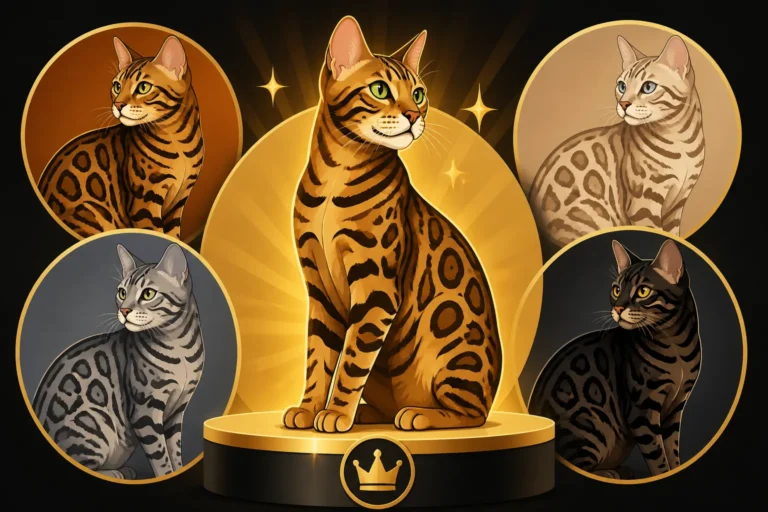
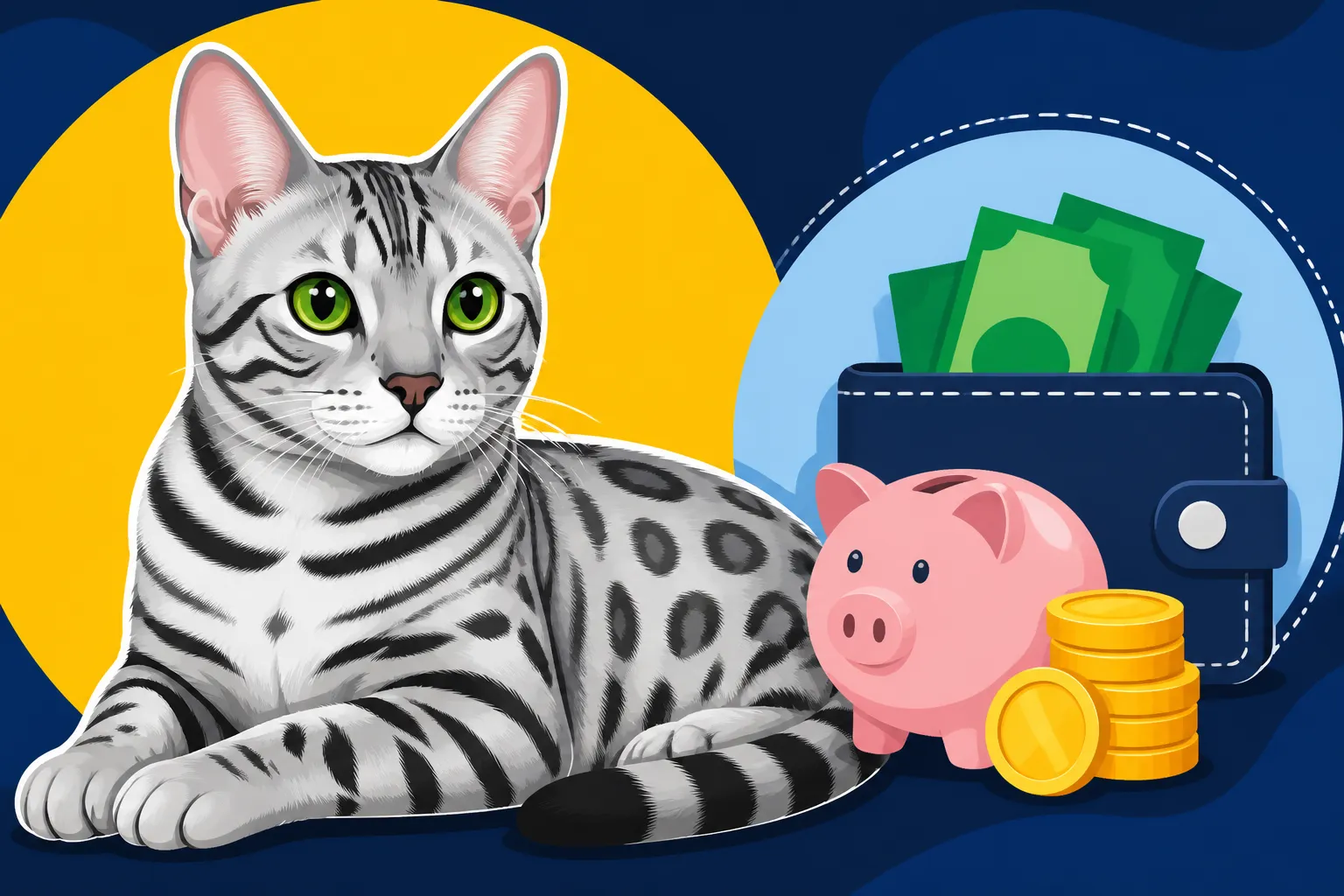
The silver gene in Bengal cats is truly something special. It's a dominant inhibitor gene that essentially "removes" or suppresses warm tones (reds, yellows) from the cat's base coat color. What you're left with is a stunning, cool-toned coat ranging from almost white silver to a darker steel gray, with the underlying pattern (spots or marbling) appearing in a rich, contrasting black or dark grey. This high contrast against the silver background is what gives them their distinctive, almost ethereal look.
Imagine a Bengal cat that looks like it's been dusted with moonlight or forged from precious metal – that's the magic of a silver Bengal. Their patterns, whether rosetted or marbled, really pop, creating a dramatic visual impact. The crispness of the markings is often a hallmark of a well-bred silver. If you're wondering exactly what kind of visual impact we're talking about, you can learn more in our article about What a Silver Bengal Cat Is. Adding to this visual appeal is often the "glitter" gene, which makes the tips of their guard hairs translucent, catching the light and giving the coat a shimmering, iridescent quality. This is particularly striking on a silver coat, making it look even more luxurious and unique. The way light plays off their coat is truly captivating, and you can see how this effect works in more detail when considering How Glitter Looks on a Silver Bengal Cat.
The Breeding Challenges Behind the Silver Coat
Achieving that perfect, clear silver coat with high contrast isn't just a roll of the genetic dice. It requires meticulous planning and a deep understanding of feline genetics from the breeder. Breeders aim for a silver that isn't tarnished or dull, free from unwanted brown or yellow tones often referred to as "rufusing." This means carefully selecting parent cats who carry the silver gene and exhibit excellent silver quality themselves, while also maintaining all the other desirable Bengal traits like temperament, health, and pattern clarity.
This kind of selective breeding for a specific, difficult-to-perfect color means that reputable breeders invest a lot of time, knowledge, and resources. They need to understand complex genetic combinations and ensure they are not inadvertently breeding for other, less desirable traits. It’s a delicate balance, and often, only a few kittens in a litter will truly embody the ideal silver color and pattern quality. This inherent rarity and the specialized knowledge required to produce them contribute significantly to their higher price tag. A breeder’s dedication to health testing, impeccable lineage, and the overall welfare of their cats is paramount, and it's why you’ll often find responsible breeders emphasizing the importance of vet checks, DNA panels, and even heart screenings like echocardiograms. It's crucial that a Bengal cat breeder is transparent and proactive about these health measures, as highlighted in our discussion on What a Bengal Cat Breeder Must Show an Echo, Not a Gene Test.
Initial Purchase Price: Breaking Down the Numbers
Let's face it, for many, the first cost that comes to mind is the price you pay for the kitten itself. This is often the biggest single outlay, and with a silver Bengal, it can be a bit higher than some other colors.
Factors Influencing a Silver Bengal Kitten's Price
The price of a Bengal kitten, especially a silver one, isn't arbitrary. It's a reflection of many underlying factors that contribute to the quality, health, and pedigree of the animal. First and foremost, the breeder's reputation and the lineage of the cat play a huge role. A breeder with a long history of producing healthy, well-socialized Bengals with championship bloodlines will naturally charge more. This isn't just about bragging rights; it often indicates a higher investment in genetic testing, quality nutrition for the breeding cats, and early socialization for the kittens.
Then there's the distinction between pet quality, breeder quality, and show quality. A "pet quality" silver Bengal, while still stunning, might have a minor flaw in its pattern or coloring that makes it unsuitable for the show ring or breeding program, but it's still a wonderful companion. A "show quality" silver Bengal is near-perfect according to the breed standard, with impeccable contrast, pattern, and conformation. These are the cats destined for the spotlight and carry a premium price. "Breeder quality" falls somewhere in between or at the high end, suitable for a reputable breeding program. For a deeper dive into the general cost of bringing a Bengal kitten home, you might want to read What a Bengal Cat Kitten Costs From a Breeder. If you're eyeing a cat for competition, understanding What a Show Quality Bengal Cat Costs will give you a better idea. Beyond aesthetics, comprehensive health testing is non-negotiable for a responsible breeder. This includes DNA panels for conditions like PRA-b and PK deficiency, and often regular cardiac screening for HCM. These tests are an investment on the breeder's part, safeguarding the health of their lines and, ultimately, your kitten. A good breeder will proudly share Which Health Results a Bengal Cat Breeder Must Show.
Geographic Location and Demand for Silver Bengals
Just like real estate, the price of a silver Bengal cat can vary significantly depending on where you live. In areas where Bengal cats are particularly popular or where there are fewer reputable breeders specializing in silver lines, demand can outstrip supply, driving prices up. For example, a silver Bengal in a bustling metropolitan area known for its strong pet culture might command a higher price than one from a more rural region with fewer potential buyers.
Conversely, if you live in an area with many dedicated Bengal breeders, there might be more competitive pricing. However, it’s always wise to prioritize quality and ethical breeding over a lower price point, especially with Bengals. Traveling a bit further to find a reputable breeder who specializes in silver Bengals and prioritizes health is often well worth the effort and expense. Always remember that a suspiciously low price can be a red flag, hinting at corners cut in health testing, socialization, or breeding practices. While we can't give you current year-specific costs, you can get a good overview of the general cost landscape in our article What a Bengal Cat Costs to Buy in 2026, which outlines typical price ranges that hold true across different market conditions.
Beyond the Sticker Price: Essential First-Year Expenses
Okay, you’ve brought your gorgeous silver Bengal home. Congratulations! But the spending doesn't stop there. The first year, in particular, comes with its own set of crucial initial investments to ensure your new family member is happy and healthy.
Initial Vet Visits and Vaccinations
Bringing home a new kitten means a flurry of vet appointments. Your silver Bengal kitten will need a thorough initial check-up to ensure they're settling in well and have no immediate health concerns. This first visit typically includes a physical examination, fecal tests for parasites, and setting up a vaccination schedule. Kittens usually receive a series of core vaccinations to protect them from common feline diseases like feline distemper, calicivirus, and rhinotracheitis. Depending on your lifestyle and your vet's recommendations, they might also need the feline leukemia virus (FeLV) vaccine, though many indoor-only Bengals may not require it. This is a good discussion to have with your vet, and our article Whether an Indoor Bengal Cat Needs Every Vaccine can provide some context for this conversation.
Beyond vaccinations, microchipping is a vital one-time cost that provides invaluable peace of mind should your adventurous Bengal ever decide to go on an unscheduled solo expedition. You’ll also need to consider spaying or neutering, typically done around six months of age, which is a significant but necessary expense for their health and to prevent unwanted litters. These upfront medical costs in the first year are foundational to a long, healthy life for your silver companion.
Setting Up Your Home for a Silver Bengal
Bengals aren't just any house cat; they're athletic, intelligent, and incredibly active. This means their environment needs to be set up to meet their unique needs, and that comes with costs. You'll need sturdy, tall scratching posts – ideally several – to satisfy their innate desire to climb and scratch, and to protect your furniture! Trust me, a cheap, wobbly post won’t cut it; they’ll shred it in weeks and still go for your sofa. For ideas on durable options, check out What a Tall Cat Tree for a Bengal Cat Costs.
Essential items include several large litter boxes (Bengals appreciate space and cleanliness!), food and water bowls, and a secure carrier for vet visits or travel. Because Bengals are so active, they need stimulating toys that can withstand their enthusiastic play. Think wand toys, puzzle feeders, and robust interactive toys. Investing in high-quality, durable items from the start will save you money in the long run. Many owners find value in ordering supplies from online retailers like Chewy, which often have a wide selection and competitive pricing on everything from premium kibble to sturdy cat trees that can stand up to a Bengal's boundless energy.
Ongoing Care: The Long-Term Investment
After the initial burst of expenses, the costs of owning a silver Bengal settle into a rhythm of routine care, but these ongoing costs are significant and should be factored into your long-term budget.
Food, Litter, and Regular Grooming
Feeding a Bengal cat is not usually about the cheapest kibble on the shelf. Given their active nature and muscular build, Bengals generally thrive on a high-quality, high-protein diet. This often means premium wet food, high-protein kibble, or even a raw diet for some owners. These specialized foods can be more expensive than conventional cat food, but they are crucial for maintaining their energy levels, coat health, and overall well-being. Knowing Which Protein Percentage Suits a Bengal Cat can help you make informed decisions about their diet.
Litter is another ongoing expense. Bengals tend to be vigorous diggers, often kicking litter out of the box, so you might go through more litter than with a less enthusiastic feline. Selecting a good quality, dust-free litter can help keep your home cleaner and your cat healthier. Our guide on How Much Litter a Bengal Cat Gets Through can offer insights here. Thankfully, their gorgeous, pelt-like coats require minimal grooming, saving you on professional grooming costs. However, regular nail trims are essential – those claws grow fast! And don't forget dental hygiene; brushing their teeth, or at least offering dental treats and chews, is crucial to prevent dental disease down the line. It's often overlooked but vital for their overall health, and you might be surprised by How Often a Bengal Cat Needs a Dental.
Annual Veterinary Care and Unexpected Health Issues
Even the healthiest silver Bengal needs regular preventative care. Annual wellness exams with your veterinarian are critical for monitoring their health, catching any issues early, and keeping their vaccinations up to date. These visits often include routine bloodwork to check organ function, especially as they age. For an active cat like a Bengal, maintaining good health often means proactive monitoring. To understand what these routine checks entail, take a look at What a Bengal Cat's Yearly Bloodwork Should Cover.
Despite the best breeding practices, Bengals, like any breed, can be prone to certain genetic health conditions. Hypertrophic Cardiomyopathy (HCM), a heart condition, is a concern in Bengals, and regular echocardiograms might be recommended by your vet, especially if your cat has a murmur. HCM is unfortunately a serious condition, and understanding HCM Is What Kills Bengal Cats Early is important for any Bengal owner. Other potential issues include Pyruvate Kinase Deficiency (PK Deficiency) and Progressive Retinal Atrophy (PRA-b), though DNA testing can help screen for these. Chronic diarrhea is another common Bengal complaint that can lead to costly diagnostic tests and special diets. If your Bengal struggles with a sensitive tummy, our article on Chronic Diarrhea Is the Bengal Cat Complaint Nobody Warns About can offer guidance. Should your Bengal be diagnosed with a condition like HCM, the ongoing cost of medication can be substantial, as explored in What a Bengal Cat's HCM Medication Costs. This is where pet insurance can be a lifesaver. Providers like Healthy Paws offer policies that can significantly offset the costs of unexpected illnesses or accidents, turning a potentially catastrophic vet bill into a manageable deductible and co-pay. It’s an investment in peace of mind and your cat's long-term health.
Enrichment and Lifestyle: Keeping a Silver Bengal Happy
A silver Bengal cat isn't just a living ornament; they are intelligent, curious, and incredibly energetic animals that need constant mental and physical stimulation. Skimping on this aspect of their care can lead to behavioral problems and destructive tendencies, which can, in turn, lead to even more costs.
The Cost of Entertainment and Stimulation
Bengals thrive on interaction and challenge. Investing in a variety of robust toys is essential. Puzzle feeders keep their intelligent minds engaged, while sturdy wand toys are fantastic for interactive play sessions. Remember, these aren't toys that will last forever; a determined Bengal can make short work of many cat toys. You'll find yourself replacing them fairly regularly. Beyond small toys, many Bengal owners find that larger, more significant investments like a cat wheel are invaluable. A cat wheel allows them to burn off excess energy indoors, mimicking running in the wild, and it's a fantastic way to keep them fit and mentally stimulated. If you’re considering one, you might want to look at What a Cat Wheel for a Bengal Cat Costs.
For those who want to give their Bengal a taste of the outdoors safely, a catio (an enclosed outdoor patio for cats) is another excellent investment. It provides them with fresh air, sunshine, and sensory enrichment without the dangers of free-roaming. A well-designed catio can be an extension of your home and a true haven for your Bengal, even if it is a significant upfront expense, as detailed in What a Catio for a Bengal Cat Costs. Without adequate stimulation, a bored Bengal can quickly turn their impressive energy and intelligence towards less desirable activities, like systematically dismantling your home. This can range from scratching furniture to opening cabinets, which can cost you dearly in repairs or replacements, highlighting why understanding What a Bored Bengal Cat Destroys is vital.
Training, Pet Sitting, and Travel Expenses
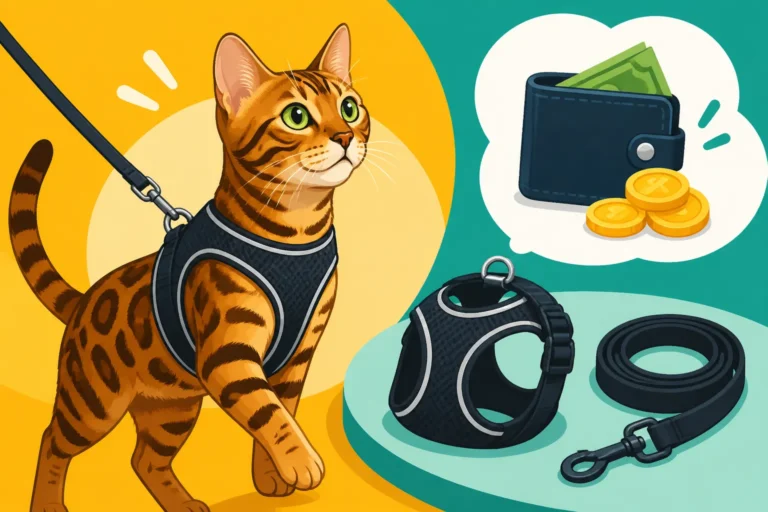
Due to their intelligence and desire for interaction, Bengals are highly trainable. Many owners enjoy leash training their Bengal, allowing them to safely explore the outdoors on walks. This involves the initial cost of a secure harness and leash, and possibly a trainer if you need some guidance, but it's a highly rewarding experience. If you’re keen on this adventure, our guide on How to Leash Train a Bengal Cat offers practical advice.
Life happens, and sometimes you need to travel. Finding a reliable pet sitter or boarding facility for a Bengal can sometimes be more challenging, and therefore more expensive, than for a typical domestic cat. Their high energy, need for interaction, and sometimes specific care routines mean that sitters need to be knowledgeable and comfortable with the breed. Some boarding facilities might even charge a premium for Bengals due to their unique needs. It’s a good idea to factor in these potential costs if you travel frequently, as discussed in Why Boarding a Bengal Cat Costs More. These are all aspects of providing a fulfilling life for your silver Bengal, and they all contribute to the overall financial picture.
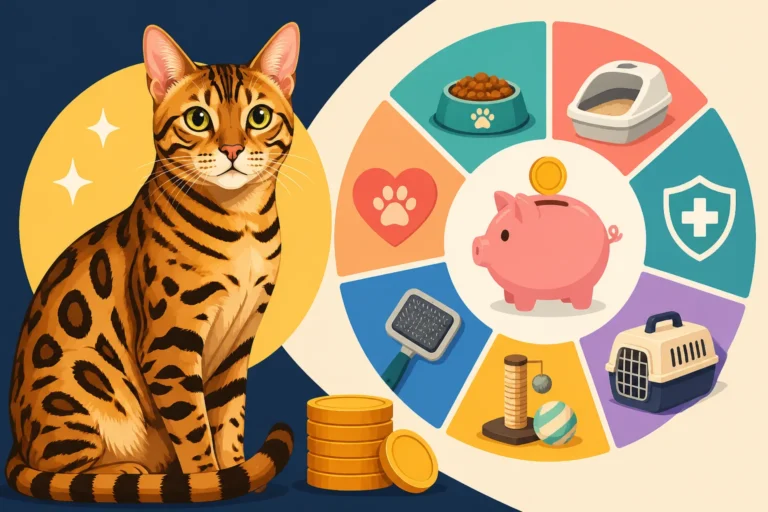
Here's a quick overview of potential costs for a silver Bengal cat:
| Cost Category | Initial (Purchase & First Year) | Ongoing (Annual) |
|---|---|---|
| Purchase Price | High (Silver is often premium) | N/A |
| Vet Care | Initial exams, vaccinations, deworming, microchipping, spay/neuter | Annual exams, boosters, bloodwork |
| Supplies | High-quality litter boxes, sturdy cat trees, durable toys, carrier | Litter, replacement toys, scratching post refills |
| Food | Initial premium kitten food | High-protein wet/dry food, potential specialty diets |
| Enrichment | Cat wheel, catio (optional but recommended), puzzle feeders | Replacement toys, enrichment items |
| Insurance/Emergencies | Enrollment in pet insurance | Monthly premiums, potential deductibles/co-pays |
| Miscellaneous | Training supplies, initial grooming tools | Pet sitting/boarding, dental care, unexpected vet visits |
Disclaimer
This article is for general informational purposes only and does not constitute professional advice. Laws, prices and regulations vary by location and change over time. Consult a qualified professional for guidance on your specific situation.