What Treating a Bengal Cat’s Chronic Diarrhea Costs
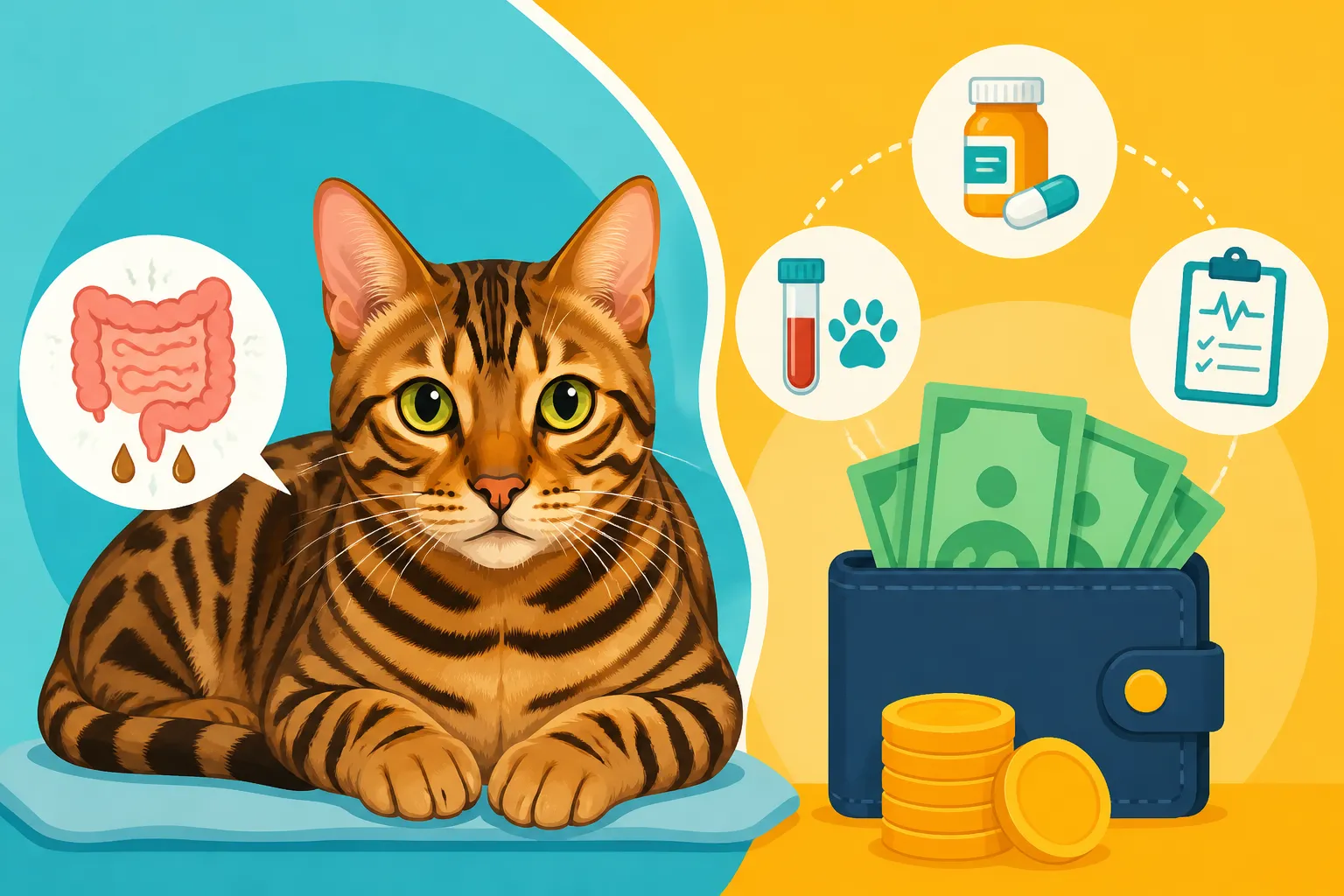
Dealing with a Bengal cat who suffers from chronic diarrhea is incredibly draining, both emotionally and financially. It’s heart-wrenching to see your lively, energetic companion constantly struggling with an upset tummy, and the vet bills can quickly pile up as you try to get to the bottom of the problem. This guide will walk you through the potential costs involved in diagnosing and treating chronic diarrhea in your Bengal cat, helping you understand what to expect on this often challenging journey.
Unpacking Chronic Diarrhea in Bengal Cats: Why Their Guts Are So Sensitive
If you've owned a Bengal for any length of time, you've probably heard that they have "sensitive stomachs." It's not just an old wives' tale; many Bengal owners truly struggle with digestive issues in their cats. This isn't just about a one-off bout of loose stools; we're talking about persistent, recurring diarrhea that can last for weeks, months, or even years. The financial strain often begins here, with repeated vet visits and various attempts to pinpoint the cause.
The Bengal Cat's Unique Digestive Predisposition
Many theories exist as to why Bengal cats seem more prone to chronic digestive upset. Some point to their wild ancestry, suggesting that their systems are simply not as well-adapted to typical domestic cat foods. Others hypothesize that specific genetic predispositions make them more susceptible to certain parasites or inflammatory conditions. Whatever the underlying reason, the reality for many Bengal owners is a constant battle to maintain a healthy gut. You might feel like you're constantly scrubbing the litter box or worrying about accidents outside of it, and that stress alone is a burden. It’s easy to feel isolated when your cat’s bathroom habits are a daily topic of concern, but know that many other Bengal guardians share this experience. Why a Bengal Cat's Gut Is So Sensitive delves deeper into these unique digestive traits.
Common Culprits Behind Persistent Loose Stools
When your Bengal has chronic diarrhea, it's rarely a simple fix. The list of potential causes is long and varied, which is why diagnosis can be such a protracted and costly process. It could be something straightforward like a food intolerance, or something much more complex. Parasites like Tritrichomonas foetus or Giardia are notoriously common in Bengal cats and can be incredibly stubborn to eradicate. Bacterial overgrowths, inflammatory bowel disease (IBD), pancreatic issues, or even certain cancers are also possibilities. Each potential cause often requires a different diagnostic approach and, consequently, different costs. This uncertainty is precisely what makes budgeting for treatment so difficult, as you might start down one path only to find you need to pivot to another. What Tritrichomonas Does to a Bengal Cat and How a Bengal Cat's Giardia Is Treated offer more insight into these specific parasitic challenges.
Initial Veterinary Consultations and Basic Diagnostics
The first step in addressing your Bengal cat's chronic diarrhea will always be a visit to your trusted veterinarian. This initial consult sets the stage for everything that follows, and it's where the diagnostic journey truly begins. Don't be surprised if your vet recommends a series of tests, as pinning down the exact cause of chronic diarrhea often requires a methodical approach.
The First Vet Visit: Consultation Fees and Basic Exams
Your initial veterinary appointment will involve a consultation fee, which covers the vet's time for a thorough physical examination, discussing your cat's history, and formulating a diagnostic plan. During this visit, the vet will check your Bengal's overall health, hydration levels, and palpate their abdomen for any abnormalities. They'll ask you detailed questions about the frequency, consistency, and color of the diarrhea, as well as any other symptoms like vomiting, weight loss, or changes in appetite. This comprehensive history is crucial, so come prepared with notes on everything you've observed. These initial fees are just the beginning, but they are absolutely essential for ruling out immediate, obvious issues and guiding the next steps.
Fecal Tests: Unmasking Parasites and Bacteria
After the initial exam, fecal tests are almost always the first line of diagnostic investigation. Chronic diarrhea is often a red flag for intestinal parasites, which can be rampant, especially in multi-cat households or if your Bengal has been recently rehomed. Your vet will likely request a fresh stool sample to check for common culprits.
Here’s a breakdown of common fecal tests and their general purpose:
| Test Type | Purpose | Typical Procedure |
|---|---|---|
| Fecal Flotation | Detects common intestinal worm eggs (roundworms, hookworms, whipworms) | Stool mixed with solution, eggs float and are examined under microscope |
| Direct Smear | Checks for motile parasites (e.g., Giardia trophozoites, Tritrichomonas) | Fresh stool sample smeared on slide, examined immediately |
| Fecal Cytology | Assesses bacterial balance, inflammation, and abnormal cells | Stool stained and examined for bacteria, white blood cells |
| Giardia ELISA/Antigen Test | Specific test for Giardia antigen, more sensitive than flotation | Specialized kit detects Giardia protein in stool sample |
| Tritrichomonas PCR Test | Gold standard for detecting Tritrichomonas foetus DNA | Molecular test identifies specific DNA of the parasite |
You might need to submit multiple fecal samples over several days because some parasites, like Giardia, shed intermittently. This means one negative test doesn't always mean your cat is clear. The cost can add up quickly if repeated tests are needed or if specialized PCR tests are sent to an external lab. For example, the Tritrichomonas PCR test, which is often crucial for Bengal cats, is a more involved and therefore more expensive test than a standard fecal float. These tests are vital but represent a significant initial outlay on your journey to diagnosis. How a Vet Tests a Bengal Cat for Tritrichomonas explains this in more detail.
Blood Work: A Wider Look at Internal Health
If fecal tests don't yield answers, or if your vet suspects a more systemic issue, blood work will be the next step. A comprehensive blood panel can provide valuable insights into your Bengal's overall health and organ function.
Blood tests often include:
- Complete Blood Count (CBC): This checks red and white blood cell counts, which can indicate anemia (common with significant blood loss from diarrhea), infection, or inflammation.
- Chemistry Panel: This evaluates organ function (kidneys, liver, pancreas), electrolyte balance (which can be disrupted by chronic diarrhea), and protein levels. Low protein can sometimes be a sign of malabsorption or protein-losing enteropathy.
- Feline Pancreatic Lipase Immunoreactivity (fPLI): A specific test to check for pancreatitis, which can cause significant digestive upset and diarrhea.
Blood work helps rule out underlying health conditions that might be contributing to the diarrhea, giving your vet a clearer picture of what's happening internally. These tests, while more expensive than basic fecal exams, are crucial for a thorough investigation and can often prevent further, more invasive procedures if they pinpoint a cause quickly.
Advanced Diagnostics and Specialist Referrals
Sometimes, despite initial tests, the cause of chronic diarrhea remains elusive. This is often the most frustrating and costly stage, as it typically involves more advanced diagnostic imaging, potentially invasive procedures, and consultations with veterinary specialists. It’s a point where many owners feel their budget straining, but for persistent cases, these steps are often necessary.
Diagnostic Imaging: X-Rays and Ultrasounds
When blood and fecal tests don't provide a clear diagnosis, your vet might recommend imaging to get a better look at your Bengal's internal organs.
- Abdominal X-rays: These can help identify foreign bodies, tumors, or significant gas accumulation in the intestines. While less detailed than an ultrasound for soft tissue, they offer a good initial overview and are less expensive.
- Abdominal Ultrasound: This is a much more powerful diagnostic tool for assessing the gastrointestinal tract. A veterinary ultrasonographer can examine the thickness of the intestinal walls, look for enlarged lymph nodes, evaluate the pancreas and other abdominal organs for inflammation, tumors, or other structural abnormalities. This procedure often requires a specialist or a vet with advanced training and specialized equipment, which significantly increases the cost. The detailed information an ultrasound provides can be invaluable for identifying conditions like Inflammatory Bowel Disease (IBD) or certain types of cancer.
These imaging studies are not cheap, and they often lead to further recommendations, but they are vital for visualizing what's happening inside your Bengal's belly without surgery.
Endoscopy and Biopsies: Getting to the Cellular Level
If imaging suggests inflammatory bowel disease, tumors, or other issues requiring tissue analysis, your vet might recommend an endoscopy with biopsies. This is a more invasive and expensive procedure, often requiring a referral to a veterinary internal medicine specialist.
- Endoscopy: During an endoscopy, a thin, flexible tube with a camera is inserted into your cat's esophagus, stomach, and small intestine (upper endoscopy) or into the colon (colonoscopy). This allows the specialist to visually inspect the lining of the digestive tract for inflammation, ulcers, or masses.
- Biopsies: Crucially, small tissue samples (biopsies) are collected during the endoscopy. These samples are then sent to a veterinary pathologist for microscopic examination. The pathologist can identify specific types of inflammation, determine the presence of cancerous cells, or confirm conditions like IBD.
The costs associated with endoscopy include the specialist consultation, anesthesia, the procedure itself, and the pathology fees for analyzing the biopsies. This can represent a significant financial commitment, but it often provides the definitive diagnosis needed to develop an effective treatment plan, especially for complex conditions like IBD Is Common in Bengal Cats.
Specialist Consultations: Expertise When You Need It Most
For truly perplexing cases of chronic diarrhea, your primary care veterinarian may recommend a referral to a veterinary internal medicine specialist or even a veterinary nutritionist. These specialists have advanced training and expertise in diagnosing and managing complex internal diseases, including chronic gastrointestinal issues.
- Internal Medicine Specialist: An internal medicine specialist can offer a fresh perspective, recommend advanced diagnostic tests, and interpret results that might be ambiguous to a general practitioner. They often have access to equipment and techniques not available in a standard veterinary clinic.
- Veterinary Nutritionist: If diet is strongly suspected as a cause or solution, a board-certified veterinary nutritionist can formulate a highly customized diet plan, which is particularly helpful for Bengals with severe food sensitivities or IBD. They can help navigate specialized and fresh food options, ensuring nutritional completeness.
Each specialist consultation comes with its own fee, in addition to any further tests or treatments they might recommend. While expensive, the expertise of a specialist can be invaluable in finally getting your Bengal the right diagnosis and treatment, ultimately saving you money in the long run by avoiding ineffective treatments.
Treatment Pathways and Ongoing Management Costs
Once a diagnosis is made, or even during the diagnostic process if symptomatic relief is needed, your Bengal will begin a treatment regimen. This often involves a combination of medications, dietary changes, and supplements, all of which contribute to the ongoing cost of managing chronic diarrhea. It’s rarely a one-and-done solution; chronic conditions require chronic management.
Medication Costs: From Antibiotics to Anti-inflammatories
Depending on the diagnosis, your vet will prescribe specific medications. The cost of these can vary widely based on the drug, dosage, and duration of treatment.
- Antibiotics: If bacterial overgrowth or certain bacterial infections are suspected or confirmed, a course of antibiotics might be prescribed. Some, like metronidazole, are relatively inexpensive, while others can be more costly.
- Antiparasitics: If parasites like Giardia or Tritrichomonas are found, specific antiparasitic medications will be needed. The treatment for Tritrichomonas, for instance, often involves a drug called Ronidazole, which can be quite expensive and requires careful administration. Which Drug Clears Tritrichomonas in a Bengal Cat details this.
- Anti-inflammatory Medications: For conditions like IBD, corticosteroids or other immunosuppressants might be necessary to control inflammation in the gut. These medications can be expensive, especially if your cat needs them long-term.
- Probiotics and Prebiotics: Often prescribed to help restore healthy gut flora, these supplements can be an ongoing expense. While generally not as costly as prescription drugs, daily use adds up.
- B12 Injections/Supplements: Bengal cats with chronic diarrhea, especially those with IBD or severe malabsorption, can become deficient in Vitamin B12 (cobalamin). Regular injections or oral supplements might be required, which adds to recurring veterinary visit costs or ongoing supplement purchases.
It’s important to remember that some chronic conditions might require lifelong medication, meaning these costs become a permanent part of your pet care budget. Ordering these through online pharmacies like Chewy or your vet can impact the pricing.
Dietary Changes: The Cornerstone of Gut Health
For many Bengal cats with chronic diarrhea, diet plays an enormous role in management. This is often the first thing vets recommend and can be one of the most impactful, and sometimes costly, changes.
- Novel Protein Diets: These diets feature a protein source your cat has likely never eaten before (e.g., duck, venison, rabbit) to reduce the chance of allergic reactions or intolerances.
- Hydrolyzed Protein Diets: In these diets, the protein has been broken down into tiny components, making it less likely to trigger an immune response. These are often prescription diets and can be significantly more expensive than standard cat food.
- Limited Ingredient Diets (LID): Similar to novel protein diets, LIDs aim to simplify the food ingredients to identify potential allergens.
- High-Fiber Diets: Sometimes, increasing fiber can help regulate bowel movements, though this approach varies depending on the specific cause of diarrhea.
- Raw or Fresh Food Diets: Some Bengal owners explore raw or fresh food diets, believing they are closer to their cat's ancestral diet. While potentially beneficial for some, these can be significantly more expensive than commercial kibble or canned food. Whether a Raw Diet Suits a Bengal Cat's Gut and Whether a High Protein Food Costs a Bengal Cat Owner More delve into these options.
Finding the right diet often involves a process of trial and error, known as a "food trial," where your cat is fed only the new diet for an extended period to see if symptoms improve. This process can involve buying several different expensive prescription foods before finding one that works, leading to significant upfront costs. Even once the right diet is found, maintaining it will be an ongoing expense, often at a premium compared to regular cat food. When a Bengal Cat Needs a Food Trial provides further context on this diagnostic step.
Supplements and Alternative Therapies
Beyond prescription medications and specialized diets, many owners turn to various supplements to support their Bengal's gut health.
- Probiotics: As mentioned earlier, probiotics are often used to help replenish beneficial gut bacteria, especially after antibiotic use or during periods of stress. Whether Probiotics Help a Bengal Cat is a good read on this.
- Digestive Enzymes: For cats with exocrine pancreatic insufficiency (EPI), digestive enzyme supplements are crucial to help them properly digest food.
- Fibre Supplements: Certain types of fiber, like psyllium, can sometimes help firm up stools.
- Herbal Remedies and Nutraceuticals: Some owners explore natural remedies, but it's crucial to discuss these with your vet to ensure they are safe and won't interact with other medications.
These supplements can add a notable amount to your monthly pet care budget, particularly if your Bengal requires several different types on an ongoing basis. While they might seem like small costs individually, they accumulate quickly over time.
Long-Term Costs and Financial Planning
The journey with a Bengal cat experiencing chronic diarrhea isn't usually a sprint; it's a marathon. Understanding the potential long-term financial implications is crucial for managing your budget and ensuring your cat receives consistent care. This is where strategic planning and considering options like pet insurance become incredibly valuable.
The Cumulative Cost of Chronic Conditions
One of the biggest financial challenges with chronic diarrhea is the cumulative cost. Initial diagnosis might involve several hundred to over a thousand dollars, depending on the complexity of the case. But then, ongoing management can include monthly medication refills, specialized prescription food, regular follow-up vet visits, and potentially periodic re-testing. Over months and years, these recurring expenses can easily surpass the initial diagnostic costs. Imagine needing specific prescription food, multiple daily medications, and monthly B12 injections for the lifespan of your cat; these bills become a permanent fixture. This is why it’s so important to be realistic about the commitment. Fifteen Years of a Bengal Cat, Priced Out gives a broader overview of long-term ownership costs.
Pet Insurance: A Financial Safety Net
For chronic conditions like persistent diarrhea, pet insurance can be a literal lifesaver for your wallet. If you enroll your Bengal cat before any symptoms of chronic diarrhea appear, a good comprehensive pet insurance policy could cover a significant portion of the diagnostic tests, specialist visits, medications, and prescription foods (depending on the plan and provider). Many owners regret not getting insurance until a problem arises, as pre-existing conditions are typically excluded from coverage.
When choosing a policy, look closely at:
- Coverage for Chronic Conditions: Ensure the plan has strong coverage for long-term illnesses.
- Deductibles and Reimbursement Levels: Understand how much you'll pay out-of-pocket before coverage kicks in, and what percentage of the vet bill the insurance will reimburse.
- Prescription Food Coverage: Some plans will cover prescription diets, which can be a huge benefit for Bengal cats with IBD or severe food sensitivities.
- Specialist Visit Coverage: Verify that specialist consultations (internal medicine, nutritionist) are included.
Companies like Healthy Paws are known for their comprehensive coverage, which could be a significant relief if your Bengal develops a persistent health issue. While pet insurance itself is a monthly expense, it can prevent catastrophic financial strain down the line. What Insuring a Bengal Cat Costs a Month explores this further.
Lifestyle Adjustments and Indirect Costs
Beyond direct veterinary bills, chronic diarrhea can lead to other indirect costs and require lifestyle adjustments.
- Increased Cleaning Supplies: You'll likely go through more litter, enzymatic cleaners, and deodorizers than the average cat owner. Accidents outside the litter box happen, and cleaning them thoroughly to prevent repeat marking or odor buildup is important.
- Specialized Litter Boxes: Some Bengals need larger, more accessible litter boxes to prevent accidents when urgency strikes. Why a Bengal Cat Needs the Biggest Box You Can Find highlights this.
- Time Commitment: Managing a cat with chronic diarrhea takes significant time – administering medication, preparing special meals, monitoring symptoms, and frequent vet visits. While not a monetary cost, your time is valuable.
- Stress and Emotional Toll: The emotional toll of caring for a chronically ill pet is immense and immeasurable. The worry, frustration, and sadness can impact your own well-being.
Considering these broader impacts helps paint a more complete picture of what treating chronic diarrhea truly costs. It’s not just about the vet bills; it’s about a holistic commitment to your Bengal’s health and comfort.
Proactive Measures and Cost-Saving Strategies
While some Bengal cats seem predisposed to sensitive guts, there are proactive steps you can take to potentially mitigate the severity or frequency of digestive issues, and strategies to help manage the costs if they do arise. Prevention and informed decision-making are key.
Choosing a Reputable Breeder: A Foundation for Health
One of the most impactful proactive steps you can take to reduce the risk of health issues, including chronic diarrhea, is to choose a reputable Bengal cat breeder. A responsible breeder screens their breeding cats for common genetic conditions and infectious diseases that can manifest as digestive problems. They should be transparent about the health history of the parents and kittens and be able to provide documentation for things like:
- Parental Health Screenings: Ask about DNA tests for Pyruvate Kinase Deficiency in a Bengal Cat and PRA-b Blinds a Bengal Cat by Two and There Is a DNA Test. While these aren't directly linked to diarrhea, a breeder committed to health screening overall is generally more reputable.
- Fecal Testing Protocols: A good breeder will routinely test their kittens and breeding cats for parasites like Giardia and Tritrichomonas and will treat any positive cases before sending kittens to new homes. Inquire about Whether a Breeder Should Treat a Bengal Cat Before Sale.
- Worming and Vaccination Schedules: Ensure kittens are on a proper worming schedule and have received their initial vaccinations.
- Dietary History: Ask what food the kittens are eating and if they've had any digestive issues in the cattery. A sudden change in diet can often trigger diarrhea in an already sensitive kitten.
While a reputable breeder might have higher initial kitten costs, investing in a healthy cat from the start can save you significantly in veterinary bills down the line. What a Bengal Cat Breeder Should Have Tested offers more guidance on health protocols.
Prevention Through Diet and Environment
Even with a healthy kitten, ongoing care plays a crucial role in preventing digestive upset.
- High-Quality, Consistent Diet: Feed a consistent, high-quality diet appropriate for an active Bengal cat. Avoid frequent food changes, as this can upset sensitive stomachs. If you need to switch foods, do it very gradually over several days to a week. Consider a High Protein Argument for a Bengal Cat and discuss Whether a Raw Diet Suits a Bengal Cat's Gut with your vet.
- Clean Water: Ensure your Bengal always has access to fresh, clean water. A cat water fountain can encourage hydration, which is important for digestive health.
- Stress Reduction: Stress can exacerbate digestive issues. Provide a stable, enriching environment with plenty of vertical space, playtime, and consistent routines. How Much Enrichment a Bengal Cat Actually Needs details how to keep your Bengal happy and stimulated.
- Parasite Prevention: Keep your Bengal on a regular parasite prevention program as recommended by your vet, especially if they have any outdoor access or interact with other animals.
Utilizing Online Resources and Community Support
When facing high veterinary costs, don't underestimate the power of online resources and community support.
- Online Pet Pharmacies: Once your vet has given you a prescription, you can often find medications and prescription foods at more competitive prices through online retailers like Chewy. Always check with your vet first to ensure the online pharmacy is reputable and the medication is legitimate.
- Pet-Specific Saving Accounts: Consider setting up a dedicated savings account for pet emergencies. Even putting a small amount aside each month can build up a valuable buffer.
- Breed-Specific Forums and Groups: Connect with other Bengal cat owners in online forums or social media groups. They can offer invaluable advice, share experiences with vets in your area, or suggest cost-effective strategies they've found helpful. Remember to always consult your veterinarian for medical advice, but these communities can provide emotional support and practical tips.
- Veterinary School Hospitals: If there's a veterinary teaching hospital or university clinic near you, they often offer specialized services at slightly lower costs than private specialist clinics, and they have cutting-on-edge diagnostic and treatment options.
Ultimately, managing chronic diarrhea in a Bengal cat can be an expensive and demanding undertaking. However, with a proactive approach, diligent care, and informed financial planning, you can provide your beloved feline companion with the best possible quality of life.
Disclaimer
This article is for general informational purposes only and does not constitute professional advice. Laws, prices and regulations vary by location and change over time. Consult a qualified professional for guidance on your specific situation.