Feeding a Bengal Cat Four Generations From a Wild Ancestor
It can be incredibly confusing and even a little intimidating trying to figure out the absolute best diet for your Bengal cat. With all the talk about their wild ancestry and unique needs, many owners feel overwhelmed, worrying they might get it wrong. This comprehensive guide will cut through the noise, explaining exactly how to feed your energetic, intelligent Bengal, focusing on their specific digestive system and high activity levels, so you can feel confident in your choices.
Understanding the Bengal Cat's Ancestry and Dietary Background
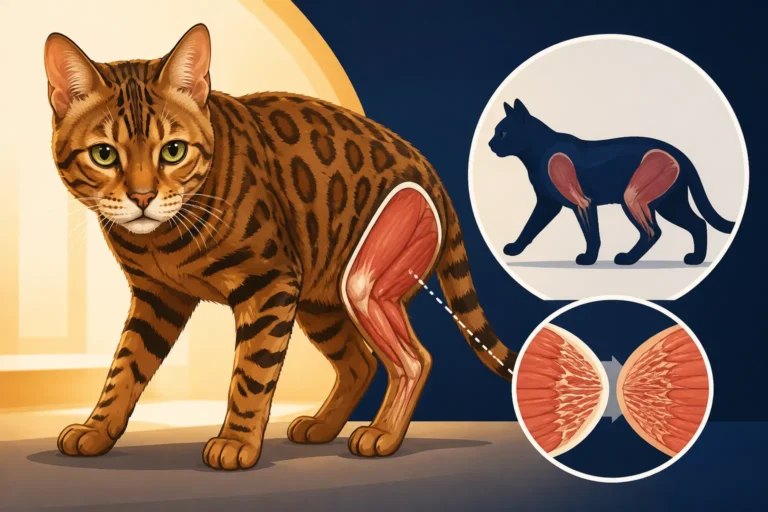
When you look at a Bengal cat, it's impossible to ignore their striking, wild appearance. Those captivating rosettes and their lean, muscular build whisper tales of the jungle, making you wonder just how much of their ancient heritage impacts their daily needs, especially when it comes to what's in their food bowl. It's a question many owners grapple with, and rightly so, because while they are domestic, their lineage does offer some clues to their optimal diet.
The Asian Leopard Cat's Natural Diet
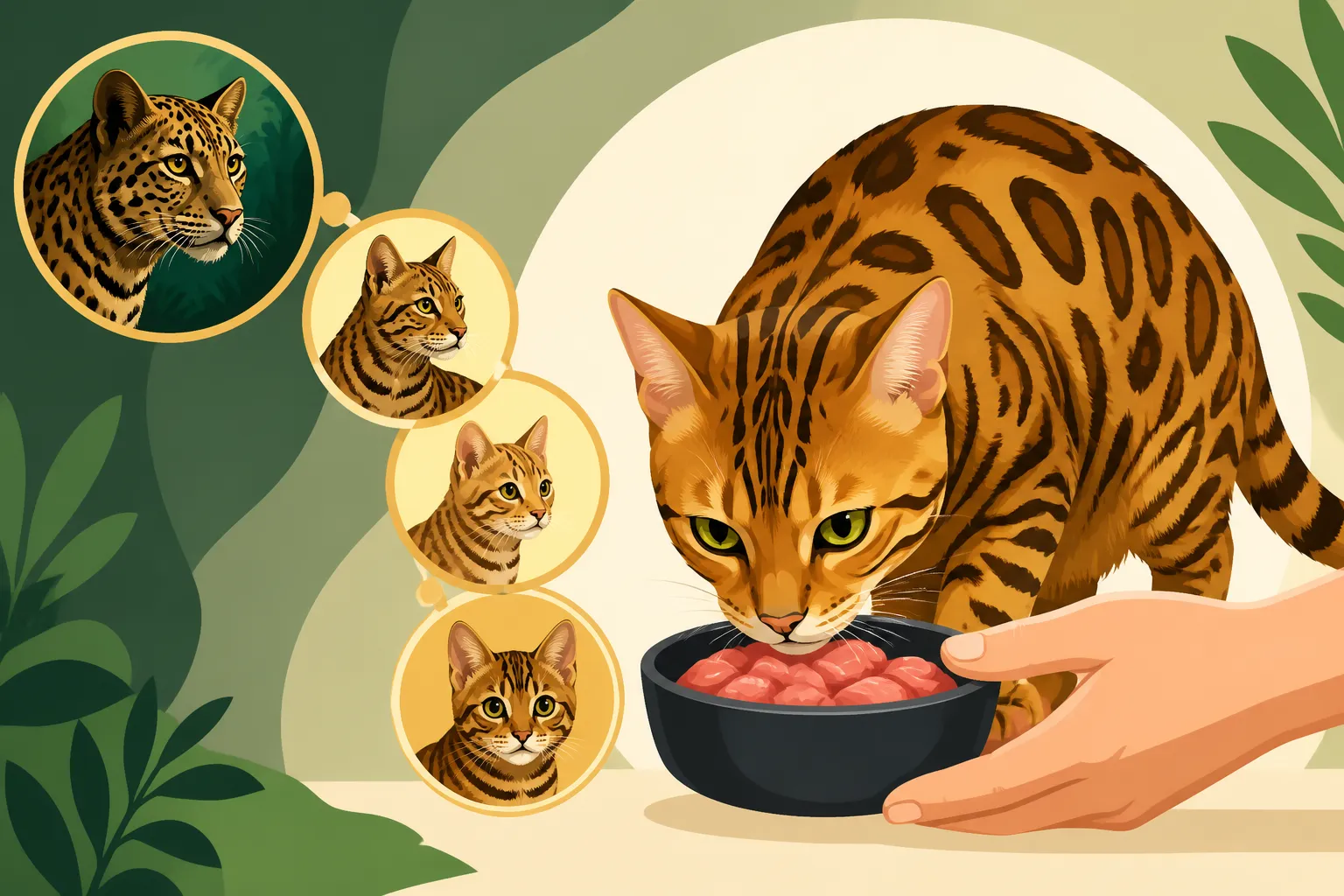
The Bengal cat's wild ancestor, the Asian Leopard Cat (ALC), is a small, nocturnal predator. In their natural habitat across Asia, these incredible animals primarily hunt small prey: think mice, rats, birds, insects, and even small reptiles or amphibians. Their diet is, by necessity, incredibly diverse but always centered around whole animal protein. They consume the entire animal – muscle, organs, bones, and even the partially digested stomach contents of their herbivorous prey, which provides a small amount of plant matter, fiber, and pre-digested nutrients. This is a crucial point, as it highlights a diet rich in highly digestible animal protein, fats, and moisture, with very minimal carbohydrates.
This natural diet meant the ALC's digestive system evolved to efficiently process raw meat and bone. Their short digestive tract is designed for rapid digestion of protein and fat, not for breaking down large amounts of plant-based carbohydrates. They get their hydration almost entirely from their prey, which is typically 70-80% water. Understanding this foundational diet helps us appreciate why certain nutritional profiles are often recommended for their domestic descendants.
What Four Generations Really Means for Digestion
Your Bengal cat, particularly if they are an SBT (Stud Book Traditional) or F4 (fourth generation) and beyond, is several generations removed from their wild Asian Leopard Cat ancestors. This means that while they retain many of the physical traits and energetic behaviors, their digestive system has had some time to adapt to a more domesticated diet. However, this adaptation isn't a complete overhaul. Cats, as a species, are obligate carnivores, and a few generations of selective breeding haven't changed that fundamental biological truth. They still require nutrients found primarily in animal sources.
The further removed from the wild ancestor, the more a Bengal cat's digestive system resembles that of any other domestic cat, but perhaps with a slightly higher sensitivity or a more pronounced need for optimal nutrition to thrive. It's not like they suddenly developed the ability to digest grains efficiently or extract full nutrition from plant proteins. Their systems still rely heavily on animal-derived ingredients for critical amino acids like taurine, and their bodies are optimized for processing meat and fat, not carbohydrates. This nuance is often lost in broad discussions, leading to confusion about how "wild" their diet truly needs to be.
Why the Bengal Cat's Gut Is So Sensitive
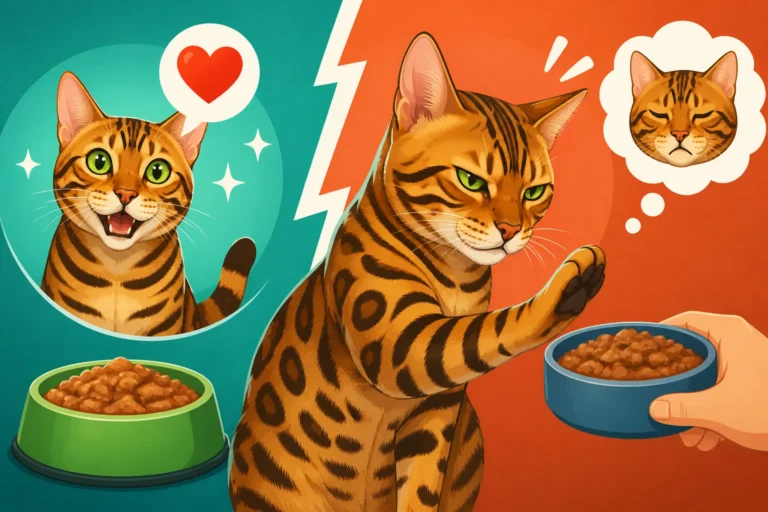
Despite being several generations removed from their wild cousins, many Bengal cat owners will tell you that their cat's digestive system seems incredibly delicate. It's a common complaint, and frankly, a valid one. Why a Bengal Cat's Gut Is So Sensitive is a question that often plagues new and experienced owners alike. They can be prone to bouts of Chronic Diarrhea Is the Bengal Cat Complaint Nobody Warns About, upset stomachs, or a general pickiness that makes mealtime a stressful guessing game. This sensitivity might stem from a combination of factors.
Part of it could be attributed to the lingering genetics from their wild ancestors, whose diets were highly consistent—always fresh, always whole prey. Any deviation could have had consequences. When we introduce processed foods, especially those with ingredients not easily recognized by their digestive tract, their bodies might react. Additionally, some Bengals can be more susceptible to parasites, stress-induced digestive upset, or even certain food intolerances. It's a frustrating aspect of owning these magnificent cats, but one that can often be managed with careful dietary choices and consistency.
The "Wild Ancestor" Myth vs. Modern Bengal Physiology
The allure of the "wild ancestor" can sometimes lead to misunderstandings about what a Bengal cat truly needs in its bowl. While their heritage is fascinating and undeniably influential in their appearance and energy levels, it's important to approach their diet with a balanced perspective, recognizing that a modern Bengal is not the same as a wild Asian Leopard Cat.
Dispelling Misconceptions About Raw Feeding
One of the most common discussions in Bengal cat communities revolves around raw feeding. Many proponents argue that because their ancestors ate raw prey, Bengals must eat a raw diet to truly thrive. While a well-formulated raw diet can certainly be beneficial and mirror ancestral diets in composition, there are misconceptions to address. Firstly, a wild ALC's diet was fresh raw, not necessarily commercially prepared raw, and it involved consuming the entire animal, providing a balance of nutrients that can be difficult to replicate perfectly at home without expert knowledge.
Secondly, simply feeding "raw meat" is not enough. A diet consisting only of muscle meat is severely imbalanced and dangerous, lacking crucial calcium, phosphorus, and other vitamins and minerals. True raw feeding for a cat requires a "prey model" or "BARF (Biologically Appropriate Raw Food)" approach, balancing muscle meat, organs, and bone. While many Bengal owners find success with raw feeding, it's not the only way to feed them optimally, and it requires significant research, commitment, and often, professional guidance to ensure nutritional completeness and safety. It's a commitment that isn't for everyone, and it's important to weigh the pros and cons carefully.
The Impact of Domestication on Dietary Needs
Over generations of selective breeding, even as early as four generations out, domestic cats, including Bengals, have undergone subtle physiological changes. While their core carnivorous needs remain, their systems are no longer exclusively adapted to hunting and consuming freshly killed prey. For example, some domestic cats may tolerate a small amount of plant matter or processed ingredients better than their wild counterparts, although this varies widely by individual. The challenge for modern cat food manufacturers is to create diets that provide the essential nutrients in a form that is both palatable and digestible for domesticated felines, rather than simply replicating a wild diet.
Furthermore, the domestic environment presents different challenges. Access to consistent, clean water is a given, which wasn't always the case for wild animals relying solely on prey moisture. The physical demands of a domestic cat's life, even a highly active Bengal, are generally lower than a wild predator constantly hunting for survival. This means their caloric needs, while still high, might not be exactly the same as an ALC in the jungle. The key is to acknowledge these adaptations while still honoring their fundamental biology as obligate carnivores.
Genetic Predispositions and Modern Nutrition
While their wild genes contribute to their robust activity levels and striking appearance, Bengal cats also carry some genetic predispositions common in pedigreed cats, some of which can be influenced by diet. For example, some Bengals might have a higher propensity for certain digestive issues or sensitivities that modern nutrition needs to address. We know they can be prone to conditions like Inflammatory Bowel Disease (IBD) or chronic sensitivities that require careful management.
This means that while the "wild diet" concept provides a blueprint, it must be adapted to the realities of a domestic cat's health and potential vulnerabilities. It's not just about what an ALC ate, but what a Bengal cat, with its unique blend of wild and domestic traits, needs to thrive in your home. This might involve carefully selected commercial diets, perhaps a limited ingredient diet, or even a specialized prescription food if significant issues arise. It’s about tailoring the nutritional input to the individual cat, rather than adhering to a rigid, idealized ancestral model.
Key Nutritional Requirements for an Active Bengal
The dietary cornerstone for any cat, but especially for an energetic Bengal, revolves around a few critical components. They aren't just pets; they're tiny athletes with the metabolism to prove it. Understanding these needs is the first step to ensuring they have the fuel to zoom around your home, conquer cat trees, and generally be their magnificent selves.
High Protein, Low Carb: The Cornerstone
The most fundamental rule for feeding a Bengal cat is to prioritize high-quality animal protein and keep carbohydrates to an absolute minimum. Cats, as obligate carnivores, get their energy primarily from protein and fat. Their bodies are not designed to efficiently process or utilize large amounts of carbohydrates found in grains, fruits, and vegetables. When a cat consumes too many carbohydrates, their pancreas can be stressed, and the excess energy is often stored as fat, potentially leading to weight gain and associated health issues.
Look for foods where animal-based protein sources, like chicken, turkey, beef, or fish, are listed as the first few ingredients. Ideally, the protein content should be 35% or higher on a dry matter basis. Carbohydrate content, on the other hand, should ideally be below 10%, and certainly no more than 15%. This nutritional profile best mimics the prey diet their ancestors (and all cats) evolved to consume. It provides the essential amino acids for muscle maintenance, growth, and overall bodily function, supporting their incredible energy levels. Which Protein Percentage Suits a Bengal Cat is a question many ask, and typically, the higher the animal protein, the better.
Essential Fats and Fatty Acids
Fats are not just energy sources for cats; they are absolutely vital for nutrient absorption, hormone production, healthy skin and coat, and organ function. Just like protein, the fats in a Bengal cat's diet should primarily come from animal sources. Omega-3 and Omega-6 fatty acids are particularly important. While both are necessary, the balance between them matters. Good sources of omega-3s include fish oil (from salmon, sardines, etc.) and certain seeds, while omega-6s are abundant in poultry fat and vegetable oils (though animal fats are preferred).
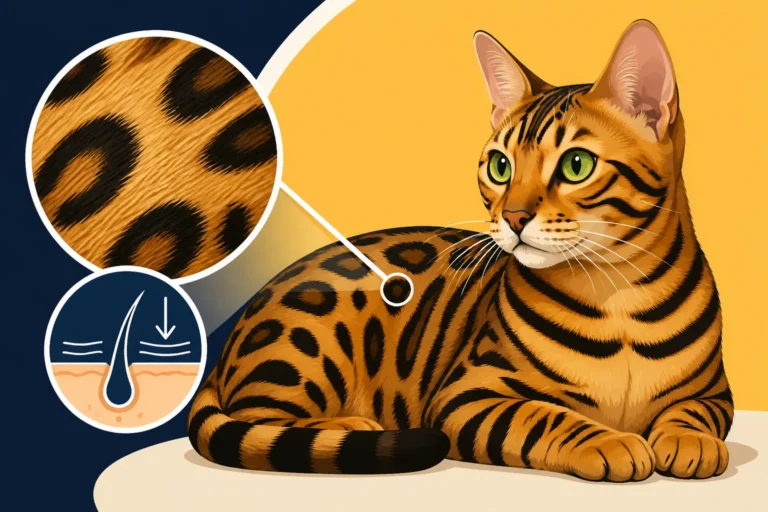
These healthy fats contribute to the Bengal's famous sleek, soft "pelt-like" coat and their overall vitality. A diet lacking in sufficient, high-quality fats can lead to a dull coat, dry skin, and a myriad of other health problems. However, it's also crucial that the fat content isn't excessive, as even lean, active Bengals can become overweight if their caloric intake from fats (or carbohydrates) consistently exceeds their output. A good target for fat content in their food is generally around 20-30% on a dry matter basis.
Vitamins, Minerals, and Taurine
While protein and fat form the bulk of a Bengal's diet, a precise balance of vitamins and minerals is equally important for their long-term health. These micronutrients play roles in everything from bone density and immune function to nerve transmission and energy metabolism. Commercial cat foods are formulated to provide this balance, but if you're considering a homemade raw diet, meticulous attention to these elements is non-negotiable, usually requiring specific supplements.
One nutrient that absolutely cannot be overlooked is taurine. Taurine is an essential amino acid for cats, meaning their bodies cannot synthesize it sufficiently on their own, and it must be obtained from their diet. It's found almost exclusively in animal protein. A deficiency in taurine can lead to severe health issues, including dilated cardiomyopathy (a type of heart disease), retinal degeneration, and reproductive problems. This is one of the main reasons why it is dangerous to feed a cat a vegetarian or vegan diet; plant-based protein simply does not contain adequate taurine. Always ensure your chosen cat food is explicitly labeled as "complete and balanced" and meets AAFCO (Association of American Feed Control Officials) standards for feline nutrition, which ensures adequate taurine levels.
The Great Debate: Raw vs. Commercial Diets for Bengals
The decision of what to feed your Bengal cat can feel like navigating a minefield, with passionate advocates on all sides. It often boils down to the choice between a raw, homemade approach and various forms of commercial cat food. Both have their merits and drawbacks, and the "best" option often depends on your lifestyle, budget, and commitment to understanding feline nutrition deeply.
The Case for Raw Feeding: Pros and Cons
For many Bengal owners, the idea of feeding a raw diet feels instinctively right, given their cat's wild ancestry. The perceived benefits are numerous: improved digestion, shinier coats, higher energy levels, smaller and less odorous stools, better hydration, and stronger immune systems. A raw diet, when properly prepared, is rich in natural enzymes, amino acids, and nutrients that can sometimes be diminished in heavily processed commercial foods. Proponents believe it's the most biologically appropriate way to feed an obligate carnivore. Whether a Raw Diet Suits a Bengal Cat's Gut is a frequent concern, and for many, the answer is a resounding yes.
However, raw feeding comes with significant responsibilities and potential risks. The biggest concern is bacterial contamination (like Salmonella or E. coli), which can pose a risk to both your cat and human family members, especially those with compromised immune systems. Proper hygiene, sourcing, and handling are paramount. Nutritional imbalance is another major pitfall; simply feeding muscle meat without bone and organs, or incorrect ratios, can lead to serious deficiencies. It requires a deep understanding of feline nutritional needs, meticulous meal preparation, and often, considerable cost. It’s a commitment to research and safety, not just convenience. Fresh, human-grade food sits somewhere between raw and traditional commercial, often appealing to those looking for high quality without the full raw commitment.
High-Quality Commercial Diets: Wet vs. Dry
For most Bengal owners, high-quality commercial cat food is the most practical and safest option. Within this category, the choice between wet food and dry kibble is crucial, and generally, wet food is vastly superior for cats.
- Wet Food: Canned or pouched wet food typically has a much higher moisture content (around 70-80%), which is critical for feline urinary and kidney health. Cats evolved to get most of their hydration from their prey, and they often don't drink enough water from a bowl to compensate for a dry-food-only diet. Wet food also tends to be higher in protein and lower in carbohydrates than most kibbles. Look for grain-free or low-grain options with identifiable meat sources as the primary ingredients. Many brands available through retailers like Chewy offer excellent wet food choices that meet a Bengal's high protein, high moisture needs.
- Dry Kibble: While convenient and often more affordable, dry kibble presents challenges for cats. Its low moisture content can contribute to chronic dehydration, leading to urinary tract issues and kidney problems over time. Kibble also often contains a higher percentage of carbohydrates, which are used as binders in the manufacturing process. If you do feed kibble, choose a high-quality, grain-free, high-protein formula. It should never be the sole component of a Bengal's diet. If you feed any kibble, make sure your cat always has access to fresh, clean water, and consider a water fountain to encourage drinking, as discussed in Why a Bengal Cat Needs a Water Fountain.
Evaluating Different Food Types
When evaluating any food for your Bengal, whether raw, wet, or dry, you need to be a label detective. Don't fall for marketing hype. Here’s what to look for:
- Ingredient List: The first few ingredients should be identifiable animal proteins (chicken, turkey, salmon, etc.). Avoid generic terms like "meat by-products" or "animal digest" as primary ingredients. If grains or vegetables are present, they should be minimal and further down the list.
- Guaranteed Analysis: This panel on the label gives you the minimum percentage of protein and fat, and maximum percentages of fiber and moisture. Remember to convert these to a "dry matter basis" for accurate comparison, especially between wet and dry foods. For example, if wet food is 75% moisture, then the remaining 25% is dry matter. If protein is listed as 12% on the label, its dry matter protein is 12 / 0.25 = 48%. This is vital for seeing the true nutritional content.
- AAFCO Statement: Ensure the food states it is "formulated to meet the nutritional levels established by the AAFCO Cat Food Nutrient Profiles for All Life Stages" or "for Adult Maintenance." This signifies it's a complete and balanced diet.
- Brand Reputation: Research the brand. Do they conduct feeding trials? Where do they source their ingredients? Are there frequent recalls? Reliable brands are transparent about their processes. Websites like Amazon can be useful for reading owner reviews and finding a wide array of options, but always cross-reference with professional nutritional information.
Choosing the right food for your Bengal is a deeply personal decision, but armed with knowledge about their unique needs, you can make an informed choice that supports their vibrant health and energetic lifestyle.
| Diet Type | Pros | Cons | Bengal Suitability |
|---|---|---|---|
| Raw/Homemade | High moisture, highly digestible animal protein, no fillers. | High risk of bacterial contamination; difficult to balance nutritionally; expensive. | Excellent if expertly prepared and handled. High commitment. |
| Wet Commercial | High moisture (supports kidney/urinary health); often high protein/low carb. | Can be more expensive than kibble; some cats are finicky. | Generally highly recommended; great for hydration. |
| Dry Kibble | Convenient, affordable, good for dental 'scrubbing' (minimal). | Low moisture (dehydration risk); often high carb; can contribute to obesity. | Not ideal as a sole diet; use as a supplement to wet. |
Navigating Food Sensitivities and Chronic Diarrhea
It's a disheartening reality for many Bengal cat owners: the constant battle with a sensitive stomach. You meticulously research, choose what seems like the perfect food, and then your energetic cat still experiences digestive upset. It's frustrating, messy, and can be worrying, leaving you wondering if you'll ever find the right balance. Rest assured, you're not alone in this struggle, and there are ways to approach it.
Chronic Diarrhea and Dietary Triggers
As mentioned before, Chronic Diarrhea Is the Bengal Cat Complaint Nobody Warns About, and it's a problem that can stem from various sources, with diet being a major culprit. For Bengals, their sensitive guts can react to common food ingredients, sudden changes in diet, or even certain food processing methods. Common dietary triggers include:
- Grains and Carbohydrates: Many commercial kibbles rely heavily on grains like corn, wheat, or soy, or even high-starch vegetables like peas or potatoes, as cheap fillers or binders. These are not biologically appropriate for a cat's digestive system and can lead to inflammation and digestive upset.
- Certain Proteins: While animal protein is essential, some individual cats can develop sensitivities or allergies to specific protein sources, such as chicken, beef, or fish, especially if they've been exposed to the same protein source for a long time.
- Additives and Preservatives: Artificial colors, flavors, and certain preservatives found in lower-quality foods can irritate a sensitive gut.
- Sudden Diet Changes: A Bengal's digestive system prefers consistency. Abruptly switching foods can easily lead to diarrhea as their gut flora struggles to adapt. Always transition new foods slowly over 7-10 days.
If your Bengal is experiencing chronic diarrhea, the first step is always a vet visit. It's crucial to rule out underlying medical conditions like parasites (such as What Tritrichomonas Does to a Bengal Cat), bacterial infections, or other health issues before solely focusing on diet.
Identifying and Managing Food Allergies
True food allergies in cats, while less common than intolerances, involve an immune system response to a specific protein. Symptoms can include not just digestive upset (vomiting, diarrhea, gas), but also skin issues like itching, excessive grooming, skin lesions, and ear infections. Identifying a food allergy can be a lengthy process requiring patience and strict adherence to an elimination diet.
The process typically involves:
- Switching to a Novel Protein Diet: This means feeding a diet with a protein source your cat has never encountered before (e.g., venison, duck, rabbit, kangaroo) or a hydrolyzed protein diet where the proteins are broken down into particles too small to trigger an immune response. These specialized diets are often available by prescription from your vet.
- Strict Adherence: For 8-12 weeks, your Bengal must eat only this novel protein diet. No treats, no table scraps, no flavored medications, no accidental nibbles of another pet's food. This is the hardest part, as even tiny exposures can skew results.
- Reintroduction (Challenge): After the elimination period, if symptoms have resolved, your vet may recommend reintroducing previous protein sources one by one to identify the specific allergen. This must be done cautiously and under veterinary guidance.
Managing a confirmed food allergy means strictly avoiding the offending ingredient for life. This may involve sticking to a specific commercial novel protein diet or carefully preparing a homemade diet with appropriate supplements under the guidance of a veterinary nutritionist.
When a Bengal Cat Needs a Special Diet for Its Gut
Sometimes, a regular high-quality diet isn't enough, and a Bengal cat will truly benefit from a specialized or therapeutic diet designed to support gut health. When a Bengal Cat Needs a Special Diet for Its Gut is usually indicated by persistent digestive issues that don't resolve with simpler dietary changes or the exclusion of common allergens.
These special diets often feature:
- Highly Digestible Ingredients: Formulations that are easy for the sensitive gut to break down and absorb, reducing the workload on the digestive system.
- Novel or Hydrolyzed Proteins: As discussed for allergies, these minimize the chance of an immune reaction.
- Increased Fiber (sometimes): Depending on the specific issue, a moderate amount of specific fibers (prebiotics) can help regulate bowel movements and feed beneficial gut bacteria.
- Added Prebiotics and Probiotics: These support a healthy gut microbiome, which is crucial for digestion and overall immune health. Whether Probiotics Help a Bengal Cat is a common question, and for many with sensitive tummies, they absolutely can make a difference.
- Omega Fatty Acids: Higher levels of EPA and DHA can help reduce inflammation in the gut.
These diets are usually prescription-only and should only be fed under the supervision of a veterinarian. They are not a "one-size-fits-all" solution but rather a targeted approach to address specific gastrointestinal challenges your Bengal may be facing. Be prepared for some trial and error to find the exact formulation that works best for your individual cat.
Feeding Strategies for a High-Energy Predator
Feeding a Bengal isn't just about what you put in the bowl; it's also about how you deliver it. Their inherent predatory instincts and sky-high energy levels mean that mealtime can, and should, be more than just a quick gulp-and-go experience. Strategic feeding can satisfy their physical needs and mental stimulation.
Meal Frequency and Portion Control
Given their active metabolism, most Bengal cats do best with multiple smaller meals throughout the day rather than one or two large ones. This mimics their natural hunting patterns, where a wild cat would consume several small prey items daily. It also helps stabilize blood sugar levels and prevents them from getting overly hungry, which can lead to rapid eating, regurgitation, or food-seeking behaviors. Many owners find feeding three to four times a day works well, especially for younger, highly active cats. As they age and perhaps slow down a bit, two or three meals might suffice.
Portion control is absolutely critical, even for an energetic Bengal. While they burn a lot of calories, it's still possible for them to become overweight if overfed, especially if they're not getting enough mental and physical enrichment. The caloric needs of cats vary greatly based on age, activity level, and individual metabolism. How Much a Bengal Cat Eats to Fuel That Activity can be a lot, but it needs to be measured. Always follow the guidelines on your chosen food packaging as a starting point, but then adjust based on your cat's body condition. You should be able to easily feel their ribs without seeing them, and they should have a discernible waist when viewed from above. Regularly weigh your cat and monitor their body condition score with your vet.
Enrichment Through Feeding: Puzzle Feeders and Hunting
This is where feeding a Bengal truly becomes an art form! These intelligent, driven cats need to work for their food to satisfy their natural instincts. Simply putting a bowl down twice a day misses a huge opportunity for enrichment. Puzzle feeders are your best friend here. These devices require your cat to use their brains and paws to extract kibble or treats, mimicking the challenge of hunting. They come in various difficulty levels, from simple treat balls to complex multi-step puzzles.
Here are some ways to incorporate enrichment:
- Food Puzzles: Invest in a few different types of puzzle feeders. Rotate them to keep your Bengal engaged. Many can be purchased on Amazon or Chewy.
- "Hunting" for Food: Instead of using a bowl, hide small portions of kibble or treats around the house. Place them on cat trees, shelves, in different rooms, or under furniture. This encourages natural seeking behavior and gives them a "hunt" throughout the day.
- Interactive Feeding Toys: Toys that dispense food when batted or manipulated can provide mental and physical exercise.
- Slow Feed Bowls: If your Bengal tends to gobble their food too quickly, a slow-feed bowl can help, as they have obstacles that force the cat to eat around them, slowing down consumption. This can help prevent regurgitation.
Engaging your Bengal's natural predatory instincts during mealtime not only provides mental stimulation but also helps them burn off energy, making for a happier, more content cat.
Transitioning Foods Smoothly
One of the most common mistakes owners make is abruptly changing a cat's food. Even if you're switching to a superior diet, a sudden change can shock a Bengal's sensitive digestive system, leading to vomiting, diarrhea, and a general refusal to eat. A slow, gradual transition is key to preventing digestive upset and ensuring your cat accepts the new food.
Here’s a typical transition schedule:
- Day 1-2: 75% old food, 25% new food.
- Day 3-4: 50% old food, 50% new food.
- Day 5-6: 25% old food, 75% new food.
- Day 7+: 100% new food.
For exceptionally sensitive Bengals, you might need to stretch this transition out even longer, perhaps over two weeks or more. Watch your cat's stool consistency and appetite carefully during this period. If you notice any signs of digestive upset, slow down the transition or revert to an earlier stage until their system stabilizes. Patience is your best friend when introducing a new diet to your Bengal.
Supplements, Treats, and Hydration for Optimal Health
Beyond the main meals, there are other important considerations for your Bengal's diet. Thoughtful choices regarding supplements, treats, and especially water intake can significantly contribute to their overall health and vitality. It's about providing that little extra support where it's most needed.
When Probiotics Help and Other Supplements
For many Bengal cats, especially those prone to Chronic Diarrhea Is the Bengal Cat Complaint Nobody Warns About or other digestive upsets, probiotics can be a game-changer. Whether Probiotics Help a Bengal Cat is usually a definite yes for those with sensitive stomachs. Probiotics are beneficial live bacteria that help maintain a healthy balance of microorganisms in the gut. They can aid digestion, boost the immune system, and help resolve issues like diarrhea, constipation, or upset from stress or antibiotic use. They come in various forms – powders, capsules, or even certain fortified foods. Discussing specific probiotic strains and dosages with your veterinarian is always recommended.
Other supplements might be considered depending on your Bengal's individual needs:
- Omega Fatty Acids: While good quality food should contain these, some cats with skin issues, dull coats, or joint problems might benefit from additional omega-3 supplements, like fish oil, under vet guidance.
- Joint Supplements: For older Bengals, or those with known joint issues like Patellar Luxation in a Bengal Cat, supplements like glucosamine and chondroitin can help support joint health and mobility.
- Vitamin Supplements: Generally, if your Bengal is on a complete and balanced commercial diet, additional vitamin supplementation isn't necessary and can sometimes be harmful if overdone. However, if they are on a homemade diet, specific vitamin and mineral supplements are essential and must be balanced precisely.
Always consult your veterinarian before introducing any new supplement to your Bengal's diet to ensure it's appropriate and won't interact negatively with existing conditions or medications.
Choosing Healthy Treats
Treats are a wonderful way to bond with your Bengal, reinforce good behavior, and provide extra enrichment. However, just like their main meals, the quality of treats matters. Avoid treats with artificial colors, flavors, or excessive fillers like grains and sugars. Think of treats as small, healthy snacks, not junk food.
Good choices for Bengal cat treats include:
- Freeze-Dried Single-Ingredient Meats: These are often very popular and healthy, being pure protein without additives. Look for freeze-dried chicken, salmon, or liver.
- Small Pieces of Cooked Lean Meat: Plain cooked chicken or turkey (without seasoning) can be a fantastic, high-value treat.
- Dental Treats: Certain dental treats can help reduce tartar buildup, but always check their ingredient list for quality. They are not a substitute for proper dental care like brushing.
- Wet Food or Broth: For very sensitive Bengals, a tiny dollop of their regular wet food or a low-sodium bone broth can be a perfectly acceptable treat.
Remember that treats should only make up a small portion (no more than 10%) of your cat's daily caloric intake to prevent overfeeding and ensure they still get a balanced diet from their main meals.
Ensuring Adequate Water Intake
Perhaps one of the most overlooked, yet critical, aspects of a Bengal's diet is hydration. Cats, as a species, have a low thirst drive because they evolved to get most of their water from their prey. When fed primarily dry kibble, they often live in a state of mild, chronic dehydration, which can contribute to serious health issues like urinary tract infections, bladder stones, and kidney disease.
Here’s how to encourage your Bengal to drink more:
- Prioritize Wet Food: As discussed, feeding a high-quality wet diet is the single best way to ensure adequate hydration.
- Water Fountains: Many Bengals are fascinated by moving water. A filtered pet water fountain can significantly increase their water intake. Why a Bengal Cat Needs a Water Fountain is often because they find the running water more appealing than still water in a bowl.
- Multiple Water Stations: Place several water bowls (ceramic or stainless steel are best) around your home in quiet, accessible locations. Keep them away from food bowls and litter boxes.
- Add Water to Food: You can add a tablespoon or two of warm water or low-sodium broth to their wet food to increase moisture.
- Cleanliness: Always keep water bowls sparkling clean. Stale or dirty water is unappealing.
Adequate hydration is a silent hero in maintaining your Bengal's long-term health, especially for their renal and urinary systems. Don't underestimate its importance.
Common Feeding Mistakes to Avoid
Even with the best intentions, it's easy to fall into certain traps when feeding a Bengal cat. Their unique needs and energetic personalities can sometimes lead owners astray. Being aware of these common mistakes can help you proactively safeguard your cat's health and happiness.
Overfeeding and Obesity Risks
It might seem counterintuitive for such an active breed, but overfeeding and the subsequent risk of obesity is a very real concern for Bengal cats. While they burn a lot of calories, their energy output can fluctuate, and modern indoor living often doesn't fully replicate the intense physical demands of their wild ancestors. Many owners mistakenly believe that because their Bengal is so active, they can eat as much as they want. This isn't true.
How Easily a Bengal Cat Becomes Overweight is often surprising to owners. Obesity in cats, just like in humans, leads to a host of health problems, including diabetes, joint issues, heart disease, and a reduced lifespan. It can also exacerbate existing conditions. The most common cause is feeding too many calories, often from free-feeding dry kibble, excessive treats, or rich table scraps. Always measure your cat's food, rather than guessing. If your Bengal starts to put on weight, your first step should be to consult your vet to rule out any medical issues and then carefully adjust their caloric intake, focusing on high-protein, low-carb options. Regular weigh-ins and body condition checks are your best defense against creeping weight gain. What a Bengal Cat Weighs Before It Fills Out is lean and muscular, and you want to maintain that physique throughout their life.
Inconsistent Diets and Sudden Changes
A Bengal's sensitive digestive system thrives on consistency. One of the biggest mistakes you can make is constantly changing their food, introducing new proteins every few weeks, or making abrupt switches without a gradual transition period. This can trigger digestive upset, food aversion, and make it even harder to identify true sensitivities or allergies if they arise. While rotating protein sources occasionally can be beneficial to prevent sensitivities from developing (e.g., rotating chicken-based food with a turkey-based food over several months), it must be done gradually and thoughtfully.
Another form of inconsistency is giving too many human foods or table scraps. While a tiny, unseasoned piece of cooked meat now and then might be okay for some, regularly sharing your meals can disrupt their delicate digestive balance, leading to vomiting, diarrhea, or even pancreatitis if the food is too rich or fatty. Stick to their formulated cat food as their primary nutrition.
Ignoring Dietary Red Flags
Your Bengal cat's litter box and their general demeanor are critical indicators of their dietary health. Ignoring "red flags" can delay addressing underlying issues, potentially leading to more serious problems down the road.
Key red flags to watch out for:
- Changes in Stool: Persistent loose stools, diarrhea, constipation, blood or mucus in the stool, or stools with an unusual color or odor are all signs something isn't right. As discussed, Chronic Diarrhea Is the Bengal Cat Complaint Nobody Warns About for a reason, and it needs attention.
- Vomiting: Occasional hairballs are normal, but frequent vomiting (more than once or twice a month, or after every meal) is not.
- Changes in Appetite: A sudden decrease or increase in appetite, or refusal to eat for more than 24 hours, warrants immediate veterinary attention.
- Excessive Gas or Bloating: While some gas is normal, excessive or foul-smelling gas can indicate digestive distress.
- Dull Coat or Poor Skin Condition: A healthy Bengal should have a shiny, soft coat. A dull, flaky, or greasy coat can signal nutritional deficiencies or underlying health issues.
- Lethargy or Behavioral Changes: While less directly dietary, a persistent lack of energy or unusual behavioral shifts can sometimes be linked to discomfort or malnourishment.
Always take these signs seriously. If you notice any persistent red flags, schedule a visit with your veterinarian. They can help diagnose the problem, whether it's dietary, parasitic (How a Bengal Cat's Giardia Is Treated), or another medical issue, and guide you towards the appropriate solution, which may include a special diet. Regular vet check-ups are also crucial to keep an eye on your Bengal's overall health and ensure their diet is supporting them through every stage of their vibrant life. How Much a Bengal Cat Eats a Month and What Fifteen Years of Bengal Cat Care Looks Like show just how important these daily decisions are over their lifetime.
Disclaimer
This article is for general informational purposes only and does not constitute professional advice. Laws, prices and regulations vary by location and change over time. Consult a qualified professional for guidance on your specific situation.