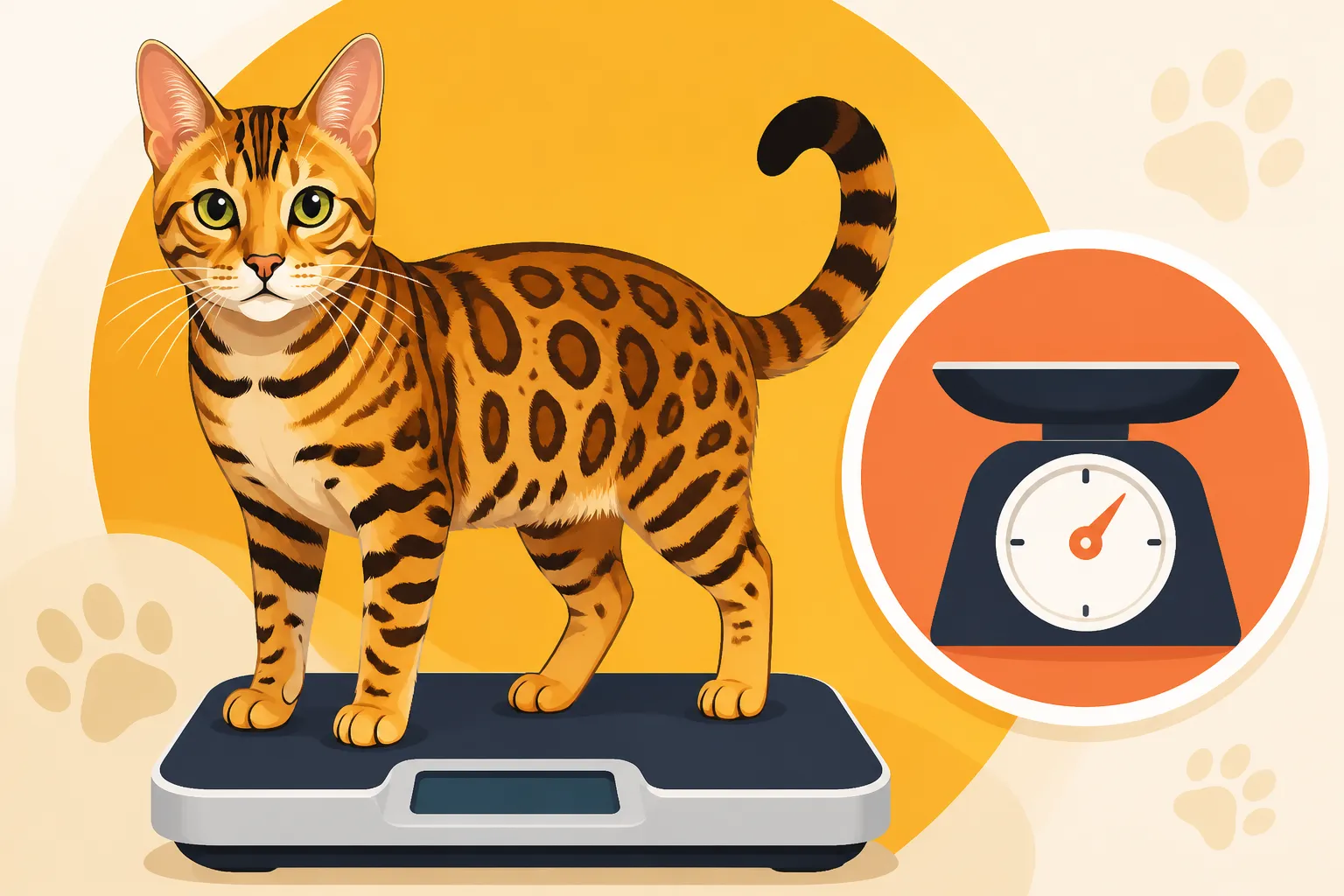
What a Bengal Cat Weighs
One of the most common questions new Bengal cat owners, or those simply admiring these stunning felines, often grapple with is, "How much should a Bengal cat weigh?" It’s a perfectly valid concern, because their lean, athletic build can sometimes make you wonder if they're too thin, especially when compared to a fluffy domestic shorthair. This guide is here to demystify what a healthy weight looks like for a Bengal, taking into account their unique genetics and high-octane lifestyle, so you can feel confident your wild-looking companion is thriving.
Understanding the Bengal Cat's Unique Build
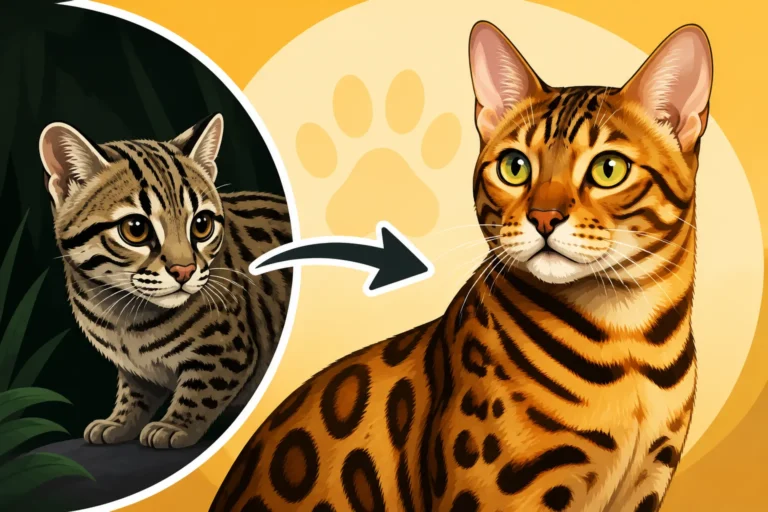
When you first see a Bengal cat, their appearance immediately screams "wild." They don't have the soft, round contours of many domestic breeds; instead, they possess a sleek, muscular, and incredibly agile physique. This isn't just for show; it's a direct inheritance from their Asian Leopard Cat ancestors. This wild lineage means their weight and body composition will naturally differ from a typical housecat, and understanding this difference is key to assessing their health.
Their Wild Ancestry and Musculature
The foundation of the Bengal cat's physique is rooted deep in its wild heritage. The Asian Leopard Cat, or ALC, is a lean, active predator built for hunting and climbing. When breeders first developed the Bengal, the goal was to retain much of this wild look while creating a domestic companion. This has resulted in a cat breed with powerful hindquarters, a strong chest, and a body that is surprisingly dense with muscle rather than bulk or fat. Think of a long-distance runner compared to a bodybuilder – both are muscular, but their builds are distinct. This inherent athleticism means your Bengal will naturally be more sinewy and less "cuddly-soft" in their feel. They are truly magnificent specimens of feline power and grace. Why a Bengal Cat Looks So Muscular
When you run your hands along their sides, you should feel a solidness beneath their short, luxurious coat, a sense of strength that belies their sometimes dainty appearance. This musculature is constantly being used, whether they are scaling your tallest cat tree, pouncing on a toy, or exploring every nook and cranny of your home. They are built for movement, and their weight reflects this functional anatomy. Don't let their slender profile fool you; there's a lot of power packed into that sleek form.
Why They Appear Lean and Athletic
Bengal cats typically carry less body fat than many other domestic breeds. This contributes to their famously "pelt-like" coat feeling, and it's also why they often look so incredibly svelte. Their bodies are designed for quick bursts of speed, impressive jumps, and sustained activity. Imagine trying to perform those feats with extra padding! Their physiology prioritizes efficiency and agility, which translates to a naturally lean appearance. If you're used to a more sedentary cat breed, seeing a Bengal's defined waist and prominent shoulder blades might initially make you worry they're underweight, but often, this is simply how a healthy Bengal is built.
This athletic build also means that their proportions are often longer. They have slightly longer hind legs, which gives them that distinctive "power walk" and contributes to their incredible jumping ability. Their tails are generally long and tapered, balancing their active bodies. All these physical traits contribute to an overall impression of lean athleticism, which is a hallmark of the breed standard. It's a look that truly sets them apart and is part of their exotic charm.
The Difference Between Muscle and Fat
One of the biggest misconceptions people have about Bengal cat weight is confusing lean muscle with being underweight, or a healthy weight with being too heavy. Muscle is dense and firm, while fat is softer and more pliable. A healthy Bengal will feel solid and muscular when you palpate their sides and back, even if their ribs are easily felt. An underweight Bengal will feel bony, with ribs and hip bones protruding sharply and a noticeable lack of muscle mass. On the flip side, an overweight Bengal might appear rounder, with a less defined waist, and a layer of soft fat over their ribs.
It’s easy to get this mixed up, especially since we’re so conditioned to think of "feeling ribs" as a sign of a skinny animal. For a Bengal, however, being able to feel their ribs without them being sharply prominent, combined with a visible waist and a deep chest, is a good indicator of appropriate body condition. It's a delicate balance that takes a little practice to recognize, but once you understand their unique structure, it becomes much clearer. How to Tell Muscle From Fat on a Bengal Cat
Average Weight Ranges for Bengal Cats
Knowing what to expect in terms of weight is a great first step, but it's important to remember these are just averages. Like people, individual cats can vary. A good breeder or an experienced veterinarian will tell you that a range is more helpful than a single number, as long as your cat is healthy, active, and has a good body condition.
Typical Weights for Adult Males
Male Bengal cats, much like males in many other species, tend to be larger and more muscular than their female counterparts. A healthy adult male Bengal typically weighs between 10 to 15 pounds (approximately 4.5 to 6.8 kilograms). Some particularly large, well-muscled males might even push slightly higher, towards 18 pounds, without being considered overweight, especially if they are tall and long-bodied. It's their overall lean condition and muscle mass that truly dictates if this weight is appropriate.
Imagine a male Bengal bounding through a catio or chasing a feather wand with relentless energy. That kind of activity requires significant muscle. When you pick up a healthy male Bengal, you'll often be surprised by how solid and heavy they feel for their sleek appearance. They carry their weight well, distributing it across a powerful frame. How Much a Male Bengal Cat Weighs
Typical Weights for Adult Females
Female Bengal cats are generally smaller and more delicately built than males, though they still retain that unmistakable athletic prowess. A healthy adult female Bengal usually weighs between 8 to 12 pounds (approximately 3.6 to 5.4 kilograms). While still very active and muscular, their frame is typically more refined, and they don't usually reach the same top-end weights as the males. This size difference is completely normal and should be expected.
Think of a graceful female Bengal effortlessly leaping onto a tall shelf or meticulously grooming her beautiful pelt. She needs to be agile and light, and her weight reflects that. While a robust female might occasionally reach 13 or 14 pounds, it’s less common than for males, and should always be assessed in context of her body condition score to ensure she’s not carrying excess fat. How Much a Female Bengal Cat Weighs
Weight Fluctuations in Kittens and Seniors
A Bengal cat's weight isn't a static number throughout their life. Kittens grow incredibly fast, gaining weight steadily as they develop. A Bengal kitten will often appear lanky and all "legs and ears" during their growth spurts, gradually filling out as they mature. They typically reach their full adult size and weight between 1.5 to 2 years of age, though some may continue to add a bit more muscle definition until they are around three years old. During kittenhood, consistent weight gain is more important than hitting a specific number, and your vet will monitor this closely. When a Bengal Cat Reaches Full Weight
As Bengal cats enter their senior years, typically around 10 years old, their activity levels might start to naturally decrease. This can sometimes lead to a slight increase in weight if their diet isn't adjusted, or, conversely, some older cats may experience weight loss due to underlying health issues, even if they're eating normally. Regular vet check-ups become even more crucial during these phases to catch any changes early. Keeping an eye on their weight and making necessary adjustments to their diet and exercise routine can significantly contribute to their comfort and longevity. The Age a Bengal Cat Is Considered Senior
Here's a quick reference table for average Bengal cat weights:
| Category | Typical Weight Range (pounds) | Typical Weight Range (kilograms) |
|---|---|---|
| Adult Male | 10 – 15 | 4.5 – 6.8 |
| Adult Female | 8 – 12 | 3.6 – 5.4 |
| Very Large Male | Up to 18 | Up to 8.2 |
| Very Small Female | As low as 7 | As low as 3.2 |
Remember, these are guidelines. Always consider your individual cat's build and overall health.
Factors Influencing a Bengal Cat's Weight
While there are average ranges, what one Bengal cat weighs can be quite different from another, even if they're both perfectly healthy. A variety of factors play into their final size and weight, and understanding these can help you manage your own cat's health and expectations.
Genetics and Filial Generation
Just like with us, genetics play a huge role in determining a Bengal cat's ultimate size and build. A Bengal cat comes from a lineage that includes the Asian Leopard Cat, and the "filial generation" (F-number) indicates how many generations removed they are from that wild ancestor. Early generation Bengals (F1, F2, F3) often tend to be larger and more robust, carrying more of that wildcat physicality. As you move further down the generations to SBT (Stud Book Traditional) Bengals, their size can become a bit more varied, often aligning more closely with larger domestic cat breeds, though they retain their signature lean muscle.
Consider a Bengal whose parents were both on the larger side, or who comes from a line known for impressive physical specimens; it's quite likely their offspring will also be on the higher end of the weight spectrum, even at an appropriate body condition. Conversely, a cat from a more petite line will naturally be smaller. It's all about the unique genetic blueprint they inherited. How Much Wild DNA an F3 Bengal Cat Has
Dietary Habits and Nutritional Needs
A Bengal cat's diet is paramount to their weight and overall health. These active felines burn a significant number of calories throughout the day, which means they need a high-quality, protein-rich diet to fuel their energy and maintain their muscular physique. If a Bengal isn't getting enough calories or the right balance of nutrients, they can become underweight, despite eating frequently. On the other hand, overfeeding a Bengal, even with the "right" food, can lead to them becoming overweight, especially if their activity level doesn't match their caloric intake.
It's not just about how much they eat, but what they eat. Cheap fillers and low-quality protein sources won't provide the dense nutrition an active Bengal needs, potentially leaving them feeling hungry and malnourished even if their bowl is full. Many Bengal owners find success with high-quality wet foods or even a balanced raw diet, though raw feeding requires careful research and planning to ensure nutritional completeness. Companies like Chewy offer a fantastic selection of high-protein, low-carb wet and dry foods that are often recommended for Bengals, helping owners find options that support their cat's vigorous lifestyle. How Much a Bengal Cat Eats to Fuel That Activity
Activity Level and Exercise Requirements
This is perhaps one of the most significant factors influencing a Bengal's weight. Bengal cats are renowned for their boundless energy. They are not lap cats content to lounge all day; they are athletes who need ample opportunity to run, jump, climb, and play. A Bengal cat that isn't getting enough exercise will not only become bored and potentially destructive but can also easily put on excess weight. Think of a high-performance sports car sitting in a garage – it's designed to go, and if it doesn't, problems arise. How Much Exercise a Bengal Cat Needs a Day
If your Bengal has access to a catio, a cat wheel, or daily interactive play sessions with you using wand toys, they are more likely to maintain a healthy, lean weight. If, however, they are primarily sedentary, even a modest diet can lead to weight gain because they simply aren't burning off those calories. This is why multi-level cat trees and plenty of stimulating toys are not luxuries but necessities for this breed. They literally run, jump, and climb off their meals, and that high metabolism is key to their lean form.
Recognizing a Healthy Weight
It’s one thing to know the numbers, but it’s another to assess your own Bengal cat by simply looking and feeling. Learning how to gauge your cat’s body condition is a skill that will serve you well throughout their life, allowing you to make proactive adjustments to their care.
The Rib and Spine Test (Body Condition Score)
The best way to determine if your Bengal is at a healthy weight, regardless of what the scale says, is to perform a body condition score (BCS) assessment. This involves both visual inspection and gently feeling your cat's body. You should be able to easily feel your cat’s ribs when you run your hands along their sides, much like feeling the knuckles on the back of your hand. They shouldn't be sharply protruding, nor should you have to press hard to feel them through a layer of fat. Similarly, you should be able to feel their spine and hip bones without them feeling overly sharp or bony.
Imagine your vet doing this during a check-up – they're not just looking at the number on the scale, but how your cat feels. A good body condition score means feeling the ribs, spine, and hip bones with a thin layer of fat over them, signifying adequate muscle and not too much adipose tissue. This test helps you assess muscle versus fat directly, which is crucial for a breed as muscular as the Bengal.
Visual Cues: Tucked Waist and Muscle Definition
Beyond feeling, look at your Bengal from above and from the side. From above, a healthy Bengal should have a clearly defined waist that tapers in slightly behind their ribs, before flaring out again at their hips. They shouldn't look like a straight block from shoulders to tail, nor should they have an exaggerated hourglass figure. From the side, their abdomen should tuck up slightly, rather than hanging down. You should also be able to see their powerful muscle definition, especially in their hind legs and shoulders, when they move.
If you observe your Bengal walking, jumping, or stretching, you'll see those muscles ripple. That's a sign of a truly fit and healthy cat. If you notice a "belly flap" (a primordial pouch is normal and often present, but should not be excessively fatty) that seems to wobble or an absence of that distinct waistline, it might be an indication that your Bengal is carrying a few extra pounds. What a Healthy Bengal Cat Weighs
Growth Stages and Expected Development
Bengal kittens grow rapidly, and their weight will steadily increase, but they often go through lanky phases where they might seem a bit gangly. Don't panic if your kitten isn't perfectly plump; they're busy converting calories into bone and muscle! Regular vet visits are key during this time, as your vet can track their growth curve and ensure they're developing appropriately. They'll monitor for consistent weight gain, rather than aiming for a specific number at an early age.
As they mature into adults, their weight will stabilize, and their body condition should remain consistent unless there's a change in diet, activity, or health. For senior Bengals, keeping a close eye on their weight becomes even more important. A gradual decline in weight could indicate a medical issue, while a sudden increase might point to reduced activity or dietary changes needed. Early detection of any significant weight changes can lead to quicker interventions and better outcomes for your beloved senior companion. Caring for a Bengal Cat Past Ten
Dealing with Underweight or Overweight Bengal Cats
It can be distressing to realize your Bengal cat isn't at their ideal weight. Whether they're too thin or carrying too much, taking action is important for their long-term health and happiness.
Addressing an Underweight Bengal: When to Worry
If your Bengal cat appears too thin – with ribs, spine, and hip bones visibly protruding, and a noticeable lack of muscle mass – it's definitely time to pay attention. Sometimes, it's as simple as not getting enough food, or perhaps not getting enough of the right kind of food to support their high metabolism. Are they eating enough high-protein, nutrient-dense meals? Are they competing with other pets for food? Is their environment stressful, leading to reduced appetite?
However, being underweight can also be a sign of underlying health issues, such as parasites (like What Tritrichomonas Does to a Bengal Cat), digestive problems (Why a Bengal Cat Gets Chronic Diarrhea), hyperthyroidism, or other illnesses. If you've tried increasing their food intake with good quality food and they're still not gaining weight, or if they show other symptoms like lethargy, vomiting, or diarrhea, a vet visit is absolutely essential. Your veterinarian can perform tests to rule out medical causes and help you formulate a plan to get your Bengal back to a healthy weight.
Helping an Overweight Bengal: Diet and Exercise Strategies
It might seem counterintuitive for such an active breed, but Bengal cats can absolutely become overweight, especially if their diet isn't balanced with their intense activity levels. An overweight Bengal will have less defined muscle, a less noticeable waist, and a softer feel around their ribs. The key to helping an overweight Bengal is a two-pronged approach: diet adjustment and increased exercise.
First, reassess their food. Are they getting too many treats? Are they free-fed, allowing them to graze all day, leading to excess calorie intake? Transitioning to portion-controlled meals with high-quality, lean protein can make a big difference. Many vets recommend a diet that is lower in carbohydrates and higher in protein to help cats lose weight safely while preserving muscle mass. You can find excellent weight-management specific foods at retailers like Chewy that are formulated to support a healthy metabolism. Second, boost their activity! Introduce new interactive toys, get a cat wheel, dedicate more time to wand play, or explore leash training if you haven't already. Even an extra 10-15 minutes of vigorous play each day can contribute significantly to calorie burning and muscle maintenance. How to Slim an Overweight Bengal Cat
When to Consult Your Veterinarian
Any significant change in your Bengal cat's weight, whether it's a sudden gain or loss, warrants a trip to the vet. These changes can be subtle indicators of serious health conditions that require professional diagnosis and treatment. For example, unexpected weight loss could signal anything from dental pain making eating difficult to more serious conditions like kidney disease or cancer. Weight gain might suggest a metabolic issue or even heart problems in some cases.
Your vet is your best partner in managing your Bengal's health. They can accurately assess your cat's body condition score, run diagnostic tests if needed, and provide tailored advice on diet and exercise. Don't hesitate to seek their expertise if you have any concerns about your Bengal's weight or overall well-being. Early intervention is always best, giving your cat the best chance at a long, healthy life.
The Importance of Regular Vet Checks
Beyond just dealing with weight issues, routine veterinary care is crucial for maintaining your Bengal cat's health. These regular visits provide a comprehensive overview of their well-being, catching potential problems before they become serious.
Routine Weigh-Ins and Their Significance
Every time you take your Bengal cat to the veterinarian, one of the first things they'll do is put them on the scale. While this might seem like a simple routine, these weigh-ins are incredibly significant. They establish a baseline for your cat’s healthy weight and allow for tracking over time. A consistent weight is often a good sign, while any drastic or even subtle but persistent shifts can be a red flag. Your vet can use this data to spot trends, compare it to previous visits, and determine if any dietary or health adjustments are needed.
Think of it as their annual physical. Just like your doctor monitors your weight, your vet monitors your Bengal's. These records help build a comprehensive health history, which becomes especially valuable as your cat ages. A gradual increase might suggest their activity has waned, or a decrease could point to underlying dental issues that make eating painful. These numbers tell a story, and your vet is trained to read it. How Often a Bengal Cat Needs a Wellness Exam
Screening for Underlying Health Issues
Beyond just weight, regular vet checks are vital for screening for a host of health issues that Bengals, like any breed, can be prone to. This includes genetic conditions such as HCM Is What Kills Bengal Cats Early or Pyruvate Kinase Deficiency in a Bengal Cat, as well as common feline ailments. During these visits, your vet will perform a thorough physical examination, checking their teeth, ears, eyes, coat, and palpating their abdomen. They might recommend routine bloodwork or other diagnostic tests, depending on your cat's age and health history.
These screenings are particularly important because cats are masters at hiding pain and illness. A Bengal, with their inherently active and resilient nature, might mask symptoms even more effectively. Regular check-ups increase the chances of catching problems early, when they are often more treatable and less costly in the long run. It's an investment in your cat's quality of life.
Partnering with Your Vet for Optimal Health
Your veterinarian is your most valuable resource when it comes to your Bengal cat's health. They have the medical expertise and an objective perspective that allows them to make the best recommendations for your individual cat. Don't be afraid to ask questions, discuss your concerns, and work collaboratively with them. If you're considering a change in diet, have concerns about activity levels, or notice any behavioral shifts that might relate to health, your vet can provide guidance based on solid medical knowledge.
A strong partnership with your vet means you're not just reacting to problems but proactively working to keep your Bengal in peak condition. Whether it's discussing the right nutritional plan, designing an enrichment strategy to keep them active, or simply understanding What a Bengal Cat's Murmur Means, their insights are invaluable. This collaborative approach ensures your dynamic and beautiful Bengal cat receives the comprehensive care they deserve throughout their adventurous life.
Disclaimer
This article is for general informational purposes only and does not constitute professional advice. Laws, prices and regulations vary by location and change over time. Consult a qualified professional for guidance on your specific situation.