How Often a Bengal Cat Uses a Cat Wheel
Many Bengal cat owners find themselves constantly searching for ways to channel their cat's boundless energy, often discovering that traditional toys and scratching posts just aren't enough. The thought of a cat wheel often comes up, but then the big question hits: will my Bengal actually use it, and if so, how often? This guide dives deep into exactly what you can expect from your Bengal and their cat wheel, helping you understand their patterns, encourage engagement, and ensure this fantastic piece of enrichment truly benefits your energetic companion.
The Unstoppable Energy of a Bengal Cat and the Role of a Cat Wheel
If you live with a Bengal cat, you already know they aren't your average couch potato. These magnificent felines are renowned for their incredible athleticism, intelligence, and a nearly endless supply of energy. Trying to keep up with them can feel like a full-time job, and that's where enrichment tools like a cat wheel truly shine. It's not just a fancy toy; it's a vital outlet for their unique needs.
Understanding the Bengal Cat's Energy Levels
Let's be real: a Bengal cat's energy isn't just a quirky trait; it's a fundamental part of who they are. They come from a lineage that includes the wild Asian Leopard Cat, and that wild vigor is still very much present in their domestic descendants. This means they're built for speed, agility, and endurance. Without proper outlets, that pent-up energy can quickly manifest in ways you might not appreciate, like scaling your curtains or systematically dismantling your houseplants. You might have read that The Bengal Cat Is the Most Active Cat You Can Own, and it's absolutely true. They need more than just a few minutes of play; they need sustained activity that challenges both their bodies and minds.
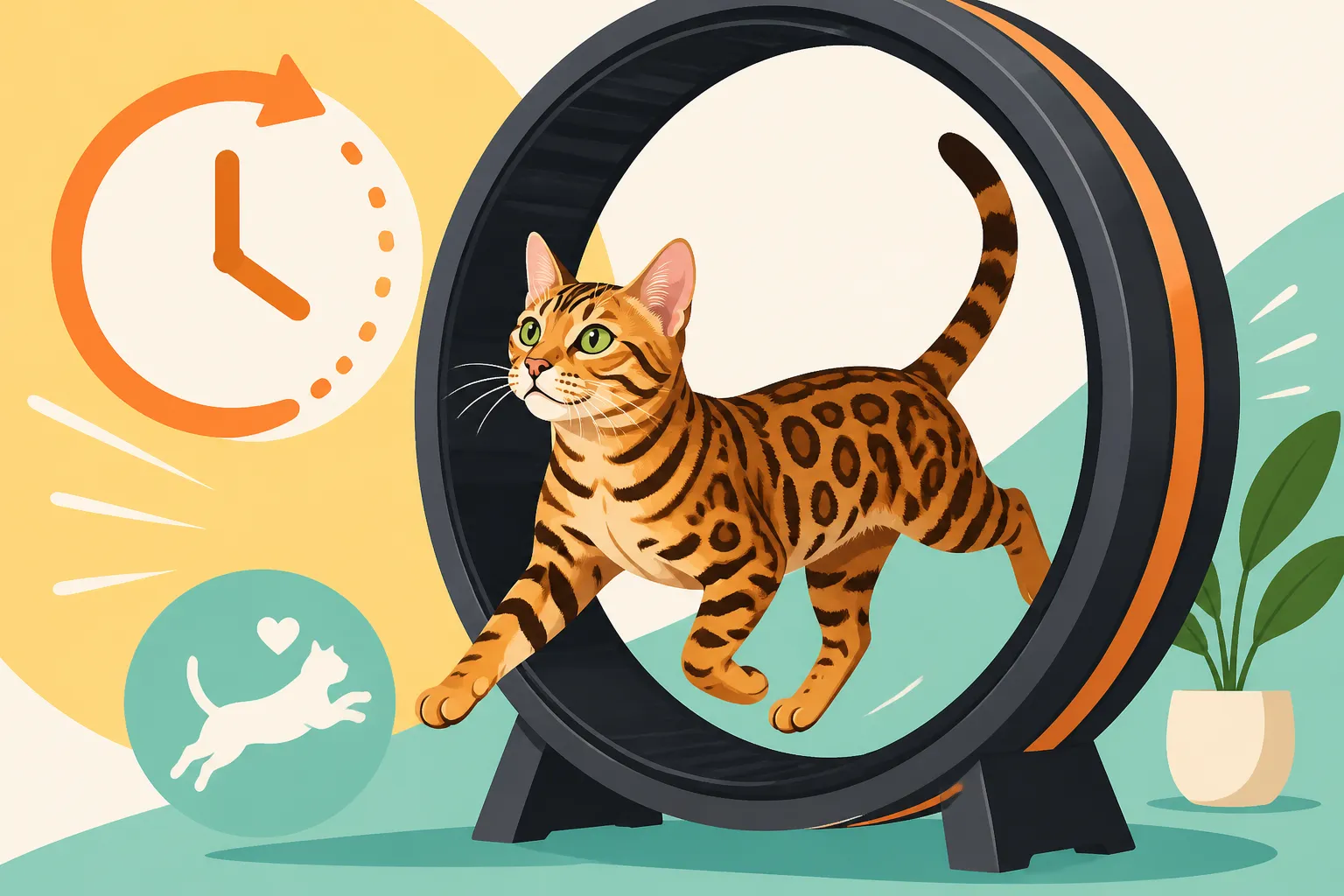
Think about it this way: if a human athlete was confined to a small apartment with no gym access, they'd get restless, right? They'd find ways to burn off steam, possibly by pacing, bouncing off the walls, or even getting into mischief out of sheer boredom. A Bengal cat is no different. Their physical prowess demands an appropriate response from their environment. A cat wheel provides an unparalleled opportunity for them to run, sprint, and expend energy in a safe, controlled manner, mimicking the long chases they might engage in if they were truly living in the wild. This isn't about being cruel by forcing exercise; it's about providing the tools they need to thrive.
Without enough physical exertion, a Bengal can become sluggish, even if they appear hyperactive. While they might still zoom around your home, these bursts of activity don't always offer the sustained, full-body workout that a cat wheel can. They require a balanced approach to exercise, incorporating both short, intense play sessions and opportunities for self-directed, longer-duration activities. It's important to understand How Active a Bengal Cat Is and truly commit to meeting that need.
Replicating the Hunt and Play Indoors
In the wild, a cat's day revolves around hunting, stalking, chasing, and pouncing. These behaviors aren't just for survival; they're deeply ingrained instincts that provide immense mental and physical satisfaction. When we bring these incredible creatures into our homes, we have a responsibility to provide outlets that simulate these natural behaviors. A cat wheel is one of the very best tools for this. It allows them to engage in prolonged, high-speed 'chases' that might otherwise be impossible in a typical home environment.
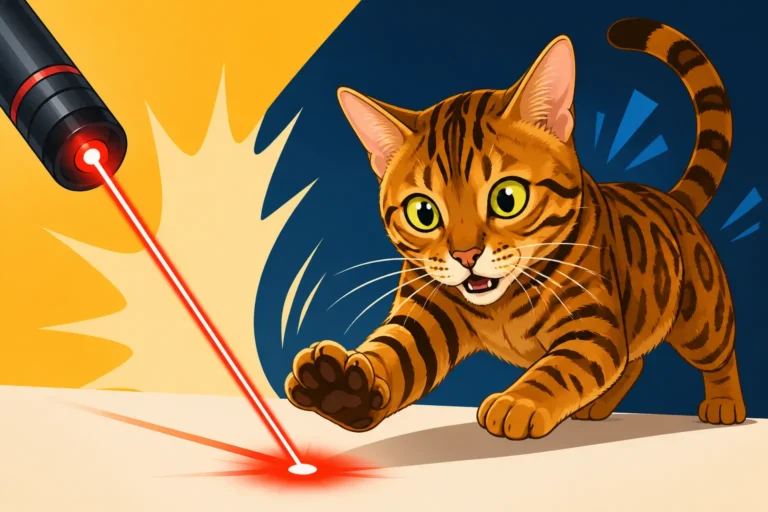
Imagine your Bengal cat, eyes wide, ears swiveling, focused on a toy or a laser pointer that you're guiding on the wheel. This isn't just running; it's a simulated hunt. They're engaging their prey drive, calculating their speed, and feeling the exhilaration of the chase. This kind of focused, instinctual activity is far more beneficial than simply batting at a toy for a few minutes. It taps into their primal needs in a way that few other indoor activities can. You'll find yourself needing to provide How Many Play Sessions a Bengal Cat Needs throughout the day, and the wheel can be a central part of those sessions, giving them a constructive place to burn serious calories and focus their intense energy.
Moreover, the repetitive motion of running on a wheel is almost meditative for some cats. It allows them to get into a zone, much like a human runner on a treadmill. It's a fantastic way to burn off steam when you're busy, or to supplement your interactive play sessions. While Which Wand Toy a Bengal Cat Destroys Fastest will always be a favorite, the wheel provides a unique form of endurance training that those toys simply can't replicate. It's about giving them a dynamic, engaging environment that speaks to their inner wild cat.
Preventing Destructive Boredom
A bored Bengal cat isn't just a slightly grumpy cat; it can be a destructive force of nature. Their sharp minds and agile bodies need constant stimulation, and if they don't get it, they'll create their own entertainment, often at the expense of your furniture, decor, or peace of mind. We're talking shredded toilet paper rolls, clawed sofas, opened cabinets, and sometimes even aggressive behaviors born out of frustration. Understanding What a Bored Bengal Cat Destroys is key to proactive prevention.
A cat wheel acts as a powerful deterrent to these unwanted behaviors. By providing a consistent, accessible outlet for their energy, you're giving them a positive way to express their instincts. Instead of scratching the legs of your dining table, they might choose to run off their excess energy on the wheel. Instead of trying to break into the pantry, they might hop on the wheel for a quick sprint. It's about redirection and giving them a 'yes' answer to their innate need for activity.
This isn't to say a cat wheel is a magic bullet that will solve all behavioral problems, but it's an incredibly effective tool in a comprehensive enrichment plan. Combine it with regular interactive play, puzzle feeders (because How Intelligent a Bengal Cat Is means they need mental challenges too!), and plenty of vertical space, and you'll have a much happier, better-adjusted Bengal. A well-exercised cat is a calm cat, and a cat wheel is a cornerstone of achieving that calm amidst their characteristic vibrancy.
Factors That Shape Your Bengal's Cat Wheel Habits
So, you've got the wheel, your Bengal is theoretically ready, but how often do they actually use it? The truth is, it varies wildly from cat to cat, and it's influenced by a whole host of factors. It's not just about putting it in a room and hoping for the best; you've got to consider their personality, the environment, and even the wheel itself. Getting your Bengal to embrace the wheel is often a strategic dance rather than an instant success.
Early Introduction and Training
One of the biggest predictors of how often your Bengal will use a cat wheel is how and when it was introduced. Cats, especially Bengals, are creatures of habit and often wary of new things. Introducing the wheel when they're kittens, or at least young adults, can make a huge difference. Kittens are naturally curious and often more fearless when it comes to exploring novel items. If they grow up with the wheel as a normal part of their environment, they're far more likely to adopt it into their routine.
Training is also crucial, and yes, you can train a Bengal to use a wheel! It often involves positive reinforcement, treats, and patience. Start by making the wheel a positive place. Lure them onto it with treats, a favorite toy, or a laser pointer. Encourage them to take a few steps, then reward heavily. Don't force them; that will only build resentment. The goal is to make it a fun game. Much like How Young to Start Leash Training a Bengal Cat makes a difference, early, positive exposure to the wheel sets the stage for lifelong engagement. Many successful owners use clicker training to mark the desired behavior, which works wonders given How to Clicker Train a Bengal Cat they are. With consistent, gentle encouragement, you can shape their interaction with the wheel into a regular, enjoyable activity.
It might take days, weeks, or even months for your Bengal to truly "get" the wheel and use it independently. Don't get discouraged if they don't immediately take to it. Some Bengals are natural runners and will hop on right away, while others need a bit more coaxing. Focus on short, positive training sessions, always ending on a good note, and let them explore it on their own terms too. The more positive associations you build around the wheel, the more often they'll seek it out on their own.
Placement and Environmental Influences
Where you put the cat wheel in your home makes a massive difference to how often your Bengal will use it. Think about it: would you want your treadmill tucked away in a dusty corner of the basement, or somewhere you can enjoy a view or listen to music? Cats are similar. They want to be where the action is, but also feel secure.
Ideally, the cat wheel should be placed in a high-traffic area where your Bengal spends a lot of time and where they can feel part of the family activities. A living room, a spacious hallway, or even a dedicated cat room are great choices. Avoid tucking it away in a quiet corner that feels isolated. Ensure there's enough space around it so they can easily hop on and off, and that it doesn't feel cramped. Some Bengals love a wheel with a view, perhaps near a window, combining their running with bird-watching! Consider the general layout of your home and how How Much Vertical Space a Bengal Cat Needs is integrated; the wheel is another piece of that active landscape.
The overall environment also plays a role. If your home is generally stimulating with other toys, climbing structures, and regular play sessions, the wheel becomes another piece of that rich tapestry. If it's the only source of entertainment, they might get bored of it faster, or simply ignore it if they haven't been adequately introduced. For those wondering Whether a Bengal Cat Suits an Apartment, a cat wheel becomes even more critical in smaller spaces, providing an indispensable outlet where outdoor access is limited or non-existent.
The Wheel Itself: Design, Material, and Stability
Not all cat wheels are created equal, and the quality of the wheel itself can significantly impact how much your Bengal wants to use it. There are several brands out there, and a quick search on Amazon will show you a range of options, from more basic models to high-end, custom-built wheels. Key considerations include:
- Size: This is paramount. A Bengal cat needs a large wheel that allows them to run with a natural gait, without curving their spine uncomfortably. If the wheel is too small, it can be uncomfortable, potentially causing injury, and they simply won't want to use it. Always opt for the largest size recommended for a full-grown cat. Understanding Which Cat Wheel Size a Bengal Cat Needs is crucial for both comfort and safety.
- Material: Most wheels are made from wood, plastic, or a combination. Wood wheels tend to be sturdier and quieter, but can be heavier. Plastic wheels are often lighter and easier to move, but some may feel less stable. The running surface itself is usually carpeted or made from a textured foam. Ensure the material provides good grip to prevent slipping, which can deter a cat from using it.
- Stability and Noise: A wobbly or noisy wheel can scare a cat and prevent them from engaging. Look for wheels with a solid base and smooth, quiet bearings. Reviews on platforms like Amazon can be a great resource for understanding how stable and quiet a particular model is in real-world use. A silent wheel is a happy cat's wheel, and a happy owner's wheel too!
The ideal wheel should be robust enough to withstand a Bengal's powerful sprints, stable enough not to tip or wobble, and large enough for them to run comfortably. Investing in a good quality wheel upfront, even if it seems expensive, is often worth it for the longevity and your cat's willingness to use it. A poorly designed or flimsy wheel is money wasted, as your Bengal will likely ignore it.
Strategies to Maximize Your Bengal Cat's Cat Wheel Engagement
So you've introduced the wheel, it's in a good spot, and it's a quality piece of equipment. Now, how do you keep your Bengal motivated and ensure they use it regularly? It's all about making it fun, rewarding, and part of their daily rhythm. Think of yourself as their personal trainer, guiding them to healthy habits with enthusiasm and understanding.
Making it a Fun, Interactive Experience
While some Bengals will hop on the wheel and run independently, many benefit from interactive play sessions that incorporate the wheel. This transforms the wheel from just a piece of equipment into a dynamic playground. The best way to encourage this is by using toys, especially wand toys or laser pointers.
Hold a wand toy just out of reach, encouraging them to chase it around the wheel. Move it erratically, mimicking prey, so they get the thrill of the hunt. A laser pointer can also be incredibly effective; shine it on the wheel's surface, just ahead of their paws, and watch them take off. Just remember to always end laser play by directing the laser onto a physical toy they can "catch" to prevent frustration. This kind of interaction makes the wheel a source of exciting mental and physical challenge. Consider stocking up on a variety of Which Treats a Bengal Cat Will Work For from a place like Amazon, as these can be powerful motivators during training and play.
Beyond toys, you can occasionally scatter a few treats on the wheel itself, or even use a puzzle feeder attached to the side (if feasible and safe). The idea is to associate the wheel with positive, engaging experiences. If they see you getting excited about the wheel, they're more likely to join in. Remember, Bengals are incredibly smart and observant; How a Bengal Cat Learns From Watching You means they pick up on your cues and enthusiasm.
Consistent Positive Reinforcement
Bengals respond incredibly well to positive reinforcement. When they use the wheel, whether it's for a few steps or a full-blown sprint, acknowledge it! Offer verbal praise ("Good boy!", "Go, go, go!"), gentle pets if they're amenable, and of course, those high-value treats. The more you reward the behavior you want to see, the more likely they are to repeat it.
Avoid any form of punishment or force. Pushing them onto the wheel or trying to make them run when they don't want to will only create negative associations and make them avoid it in the future. Patience is key. If they seem reluctant, take a step back, try a different approach, or simply try again later. Build confidence, don't break it. If you've ever taught your Bengal something like How to Teach a Bengal Cat to Come, you know that consistency and positive feedback are the pillars of success.
You can even incorporate clicker training. When your Bengal steps on the wheel, click and treat. When they take a step, click and treat. Gradually increase the criteria until they are running on their own. The clicker provides clear, instant feedback, which is something Bengals, with their sharp minds, truly appreciate. This consistent, positive feedback loop reinforces that the wheel is a good place to be, and a rewarding activity.
Establishing a Routine for Success
Cats thrive on routine, and Bengals are no exception. Incorporating cat wheel time into their daily schedule can significantly boost their usage. This doesn't mean rigidly adhering to a clock, but rather creating predictable opportunities for them to engage with the wheel. For instance, you might have a dedicated play session on the wheel every morning or evening, or after their meals when they have a burst of energy.
Consider how long your Bengal plays in other capacities. How Long a Bengal Cat Plays in One Session for you might be 15-20 minutes, but they can easily run for longer on a wheel, even in shorter bursts throughout the day. By making the wheel a regular part of their day, it becomes an expected and integrated activity, rather than a novel toy that's only sometimes present. This consistency also helps them understand that the wheel is their space for burning off energy.
Furthermore, a routine can help with managing their energy levels, especially if you're trying to achieve a peaceful night's sleep. A good, vigorous session on the wheel before bedtime can go a long way in helping How to Tire a Bengal Cat Before Bed. If they know they'll get a solid run on the wheel, they might be less inclined to engage in those notorious 3 AM zoomies. Over time, your Bengal will likely start initiating their own wheel sessions, knowing it's a satisfying way to expend energy.
| Strategy | Description | Key Benefit |
|---|---|---|
| Interactive Play | Use wand toys, laser pointers, or treats to lure and engage them. | Taps into natural prey drive, makes it fun. |
| Positive Reinforcement | Offer praise, pets, and high-value treats for any wheel interaction. | Builds positive associations, encourages repetition. |
| Early Introduction | Introduce the wheel when they are kittens or young adults. | Establishes it as a normal part of their environment. |
| Optimal Placement | Place the wheel in a high-traffic area with clear access and a good view. | Increases visibility and ease of access. |
| Establish Routine | Incorporate wheel sessions into daily play schedules. | Creates predictability, reinforces consistent use. |
| Check Wheel Quality | Ensure the wheel is large, stable, and quiet. | Comfortable, safe, and appealing for the cat. |
When Your Bengal Cat Isn't Using the Wheel: Troubleshooting Tips
It can be really frustrating when you invest in a cat wheel, convinced your Bengal will love it, only to find it sitting there, gathering dust. Don't throw in the towel just yet! There are many reasons why a Bengal might be reluctant, and often, a little detective work and adjustment can turn things around. It's not always an immediate love affair; sometimes, it's a slow burn.
Re-evaluating the Setup
If your Bengal is ignoring the wheel, it's time to put on your detective hat and re-evaluate everything. Start with the basics:
- Location: Is it in a quiet, unused room? Try moving it to a central area where family activity happens. Could it be too close to something loud or scary (like a washing machine)? Is it near a window, offering an interesting view?
- Accessibility: Can your cat easily hop on and off? Is it blocked by furniture or other items? Sometimes simply rotating the wheel or clearing the space around it can make a difference.
- Cleanliness: Is the wheel clean? Cats are fastidious creatures. If it smells odd or has debris on it, they might avoid it.
- Stability and Noise: Does the wheel wobble? Does it make squeaky or grating noises when it turns? Even subtle sounds or movements can deter a sensitive Bengal. If it's noisy, a tiny bit of lubricant on the bearings (check manufacturer instructions!) or tightening some bolts might help. If you bought it from Amazon, check if other buyers reported similar issues or found solutions.
Sometimes, the issue isn't the wheel itself but the overall environment. Are there enough other enrichment opportunities? A cat wheel works best as part of a varied environment, not as the sole source of entertainment. Maybe your Bengal is just getting enough exercise from How High a Bengal Cat Can Jump onto tall cat trees or engaging in extensive play with you.
Gentle Encouragement vs. Force: Understanding Your Cat's Personality
This is where understanding your individual Bengal's personality comes into play. Some Bengals are bold and will try anything new. Others are more cautious and need a lot of gentle coaxing. Forcing a cat onto the wheel or trying to make them run will almost certainly backfire. It creates fear and negative associations, making them even less likely to use it in the future.
Instead, lean into gentle encouragement. Continue those short, positive training sessions with treats. Try placing their favorite blanket or toy on the wheel for a short time to help them feel comfortable with its presence. Some cats respond well to seeing another cat use the wheel (if you have multiple cats). Others might just need you to sit near it, calmly reading or working, for them to get used to it. The goal is to build curiosity and confidence, not fear.
If your Bengal is particularly treat-motivated, you might even try feeding their meals on or near the wheel initially, gradually moving their bowl closer and then onto the wheel itself for a few pieces. It's about slowly desensitizing them and building positive mental pathways.
Addressing Underlying Behavioral or Health Concerns
In some cases, a persistent refusal to use the wheel might point to something more than just disinterest. While rare, it's worth considering.
- Boredom or Lack of Other Stimulation: Paradoxically, sometimes a cat won't use a wheel because they're too bored and lethargic from a general lack of stimulation, rather than being too energetic. Ensure your cat has plenty of toys, vertical climbing spaces, and regular interactive play with you. Signs a Bengal Cat Is Bored can include lethargy, over-grooming, or destructive behavior in other areas. The wheel might simply not be enough to kickstart their motivation if they're generally under-stimulated.
- Stress or Anxiety: A cat who feels stressed or anxious in their environment might not feel safe or comfortable enough to engage in playful activities like running on a wheel. Have there been recent changes in the household? Is there conflict with other pets?
- Physical Discomfort: While highly active, cats are masters at hiding pain or discomfort. If your Bengal suddenly stops using the wheel, or shows reluctance even after positive training, it's worth considering a subtle physical issue. Could they have a minor ache or pain that makes running uncomfortable? Is there an injury you haven't noticed? Even something as simple as overgrown claws can make running awkward. While Bengals are robust, conditions like Patellar Luxation in a Bengal Cat or general joint stiffness, especially in older cats, could make them avoid high-impact activities. How a Bengal Cat Hides Pain makes it tricky to spot, but a sudden change in behavior warrants a vet visit. A quick check-up can rule out any underlying health issues that might be contributing to their reluctance.
The Long-Term Rewards of a Well-Utilized Cat Wheel
When your Bengal cat truly embraces their cat wheel, the benefits extend far beyond just burning off some steam. It becomes an integral part of their overall well-being, contributing to their physical health, mental sharpness, and even strengthening the bond you share. This isn't just a temporary fad; it's an investment in a happier, healthier Bengal life.
Boosting Physical Health and Maintaining an Ideal Weight
One of the most immediate and obvious benefits of consistent cat wheel use is the profound impact on your Bengal's physical health. These cats are lean, muscular athletes, and they need regular, intense exercise to maintain that physique. A cat wheel provides an excellent cardio workout, helping to keep their heart healthy, build muscle tone, and maintain their incredible agility.
For a breed as active as the Bengal, weight management can still be a concern if their calorie intake outweighs their energy expenditure. Even the most energetic cats can become overweight if their diet isn't balanced with their activity levels. The wheel offers a fantastic way to burn extra calories, preventing obesity, which is a precursor to a host of health problems like diabetes, joint issues, and heart disease. Keeping a close eye on What a Healthy Bengal Cat Weighs is crucial, and a cat wheel is a powerful tool in staying within that healthy range.
It's a proactive approach to their long-term health. By giving them a consistent outlet for vigorous exercise, you're not just dealing with excess energy; you're actively contributing to their longevity and quality of life. Even for a cat that seems to never stop moving, the structured, sustained exercise of a wheel can make a significant difference in preventing them from becoming How Easily a Bengal Cat Becomes Overweight. It's essentially a gym membership for your feline athlete, available 24/7.
Providing Essential Mental Stimulation
Beyond the physical benefits, a cat wheel offers profound mental stimulation for your intelligent Bengal. The act of running, whether chasing a lure or simply for the joy of it, requires focus and concentration. It's an active engagement, not just passive observation. For a breed that often exhibits high intelligence and curiosity, providing diverse mental challenges is just as important as physical ones.
Think about the mental clarity a good run provides for humans. Cats experience something similar. The physical exertion helps to release pent-up energy that, if left unaddressed, can lead to anxiety or destructive behaviors. When they're focused on running, it can be a meditative, stress-reducing activity. This mental engagement keeps their minds sharp and their instincts honed. Combine the wheel with Whether a Puzzle Feeder Tires a Bengal Cat, and you have a powerhouse combo for both physical and mental well-being.
A Bengal that is both physically exercised and mentally stimulated is generally a happier, calmer cat. They're less likely to suffer from boredom, which as we've discussed, can lead to all sorts of undesirable behaviors. The wheel offers a productive channel for their boundless energy and sharp minds, helping them feel fulfilled and content within their indoor environment.
Building a Stronger Bond Through Shared Activity
Finally, integrating the cat wheel into your Bengal's life can actually strengthen your bond with them. When you engage in interactive play sessions on the wheel, you're not just exercising them; you're spending quality time together. You're communicating, understanding their cues, and celebrating their athleticism. This shared activity fosters trust and connection.
As you learn to read their body language – when they want to run, when they're winding down, what motivates them – you deepen your understanding of their unique personality. The moments of triumph when they first master the wheel, or when they zoom along with joyful abandon, become shared memories. You are their guide, their cheerleader, and their playmate. This kind of active engagement is far more enriching than simply coexisting in the same house.
Watching your Bengal cat unleash their wild side on the wheel, seeing their joy and focus, is a deeply rewarding experience for any owner. It's a testament to your commitment to providing them with the best possible life, catering to their specific needs. A cat wheel isn't just a purchase; it's an investment in your Bengal's health, happiness, and the special relationship you share.
Disclaimer
This article is for general informational purposes only and does not constitute professional advice. Laws, prices and regulations vary by location and change over time. Consult a qualified professional for guidance on your specific situation.